


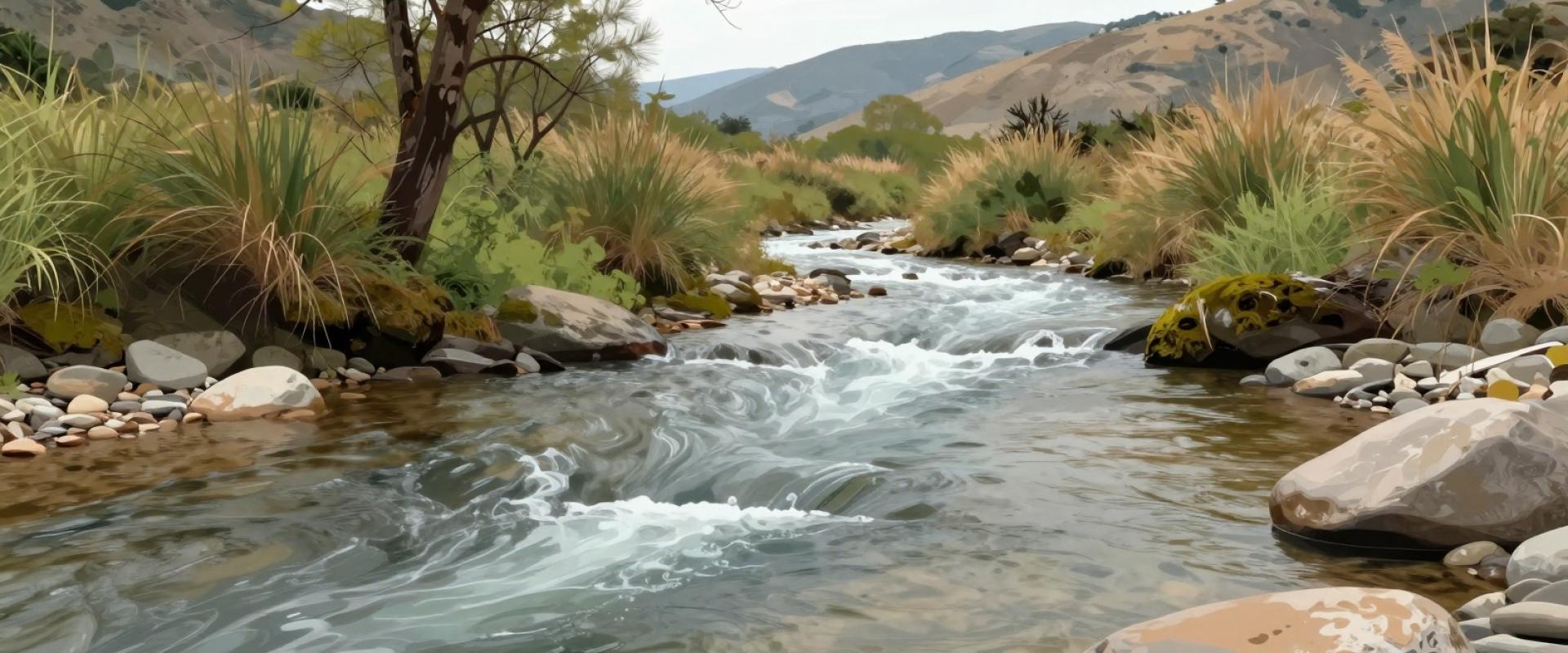
Onor River
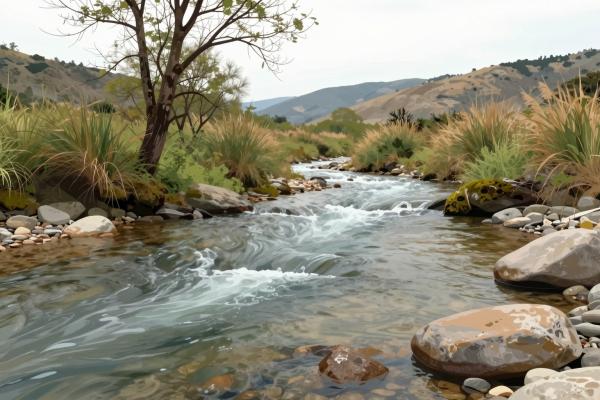
River flowing through the remote village of Rio de Onor
Rio de Onor is a village that exists on two sides of a border, and the stream that gives it its name is the line that divides, and joins, the two halves. It lies in the far north-east of Portugal, in the Montesinho Natural Park, near Bragança, one of the most remote corners of the country. The Rio Onor, a small river that rises in the hills of the Spanish side, runs through the middle of the settlement, with the Portuguese houses on one bank and, a few steps away, the Spanish village of Rihonor de Castilla on the other. The border here has never been much of a barrier, and for centuries, the two halves lived as a single community.
The river and its meadows were central to that life. The villagers of Rio de Onor are known to anthropologists because they preserved until recent decades a communal way of life, in which land, pasture, woods and animals were managed collectively under rules agreed by a village council. The Portuguese ethnologist Jorge Dias made the village famous in the 1950s with a study of its communal agricultural and pastoral system, which has become a classic of Portuguese anthropology. Examples included shared ovens, the collective grazing of flocks, and the rotation of tasks between households. The village also developed its own dialect, Rionorês, a mix of Portuguese and Leonese forms, which a handful of older residents still speak.
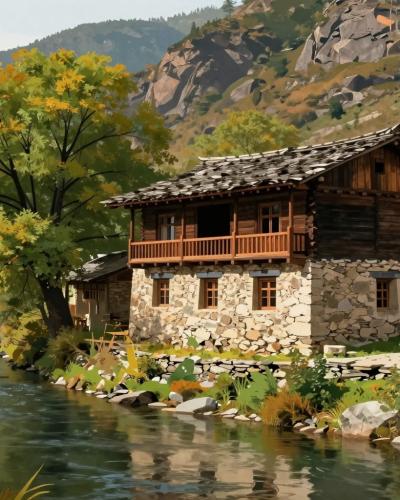
Today, the village is a quiet place with perhaps a few dozen permanent residents, and it has the look of a settlement fixed in time. Houses of dark schist and granite, with wooden balconies and slate roofs, line narrow lanes. Stone walls enclose small vegetable gardens and meadows, the lameiros, which are watered by channels from the river and are the source of hay for the winter. Old stone bridges cross the stream, and a communal oven, a council house and granaries recall the old system. The surrounding landscape of oak woods, heather and chestnut groves belongs to the Montesinho park, which shelters wolves, deer, wild boar and many birds.
The river itself is a pleasure for walkers. A path follows its banks through meadows and woods, with the sound of running water in the background, and in warm months, the stream's pools are used for a cool dip. The water is clear and cold, and the setting is peaceful. In summer, the village hosts festivals when emigrant families return, and in autumn, the colours of the oaks and chestnuts are striking. Winters are cold and sometimes snowy, and the roads may be affected.
Reaching Rio de Onor requires a drive of about thirty minutes from Bragança, along winding roads in the park. Services are minimal, so bring food and water, or plan a meal at one of the small restaurants in nearby villages. The village suits walkers, anthropologists and anyone who wants to see a way of life that has nearly vanished.
Categories
More photos coming soon
Nearby Attractions
Other places to visit in Rio de Onor
Frequently Asked Questions
Quick Facts
Best Time to Visit
Late spring to early autumn (May–September) offers mild to warm weather, lush landscapes, and vibrant village life for exploring Rio de Onor and Montesinho Park.