


Rio De Onor (Village)
Remote village in northern Portugal's mountains
Rio de Onor is a very small village on the border between Portugal and Spain, in the municipality of Bragança, and it is one of the most distinctive communities in the north of the country. The river that gives it its name, the Onor, runs through the middle of the settlement and the frontier follows it, so that one part of the village is Portuguese and the other, Rihonor de Castilla, is Spanish. The two halves have long shared land, language, and customs, and for centuries the border mattered less to the villagers than the seasons and the work of the fields.
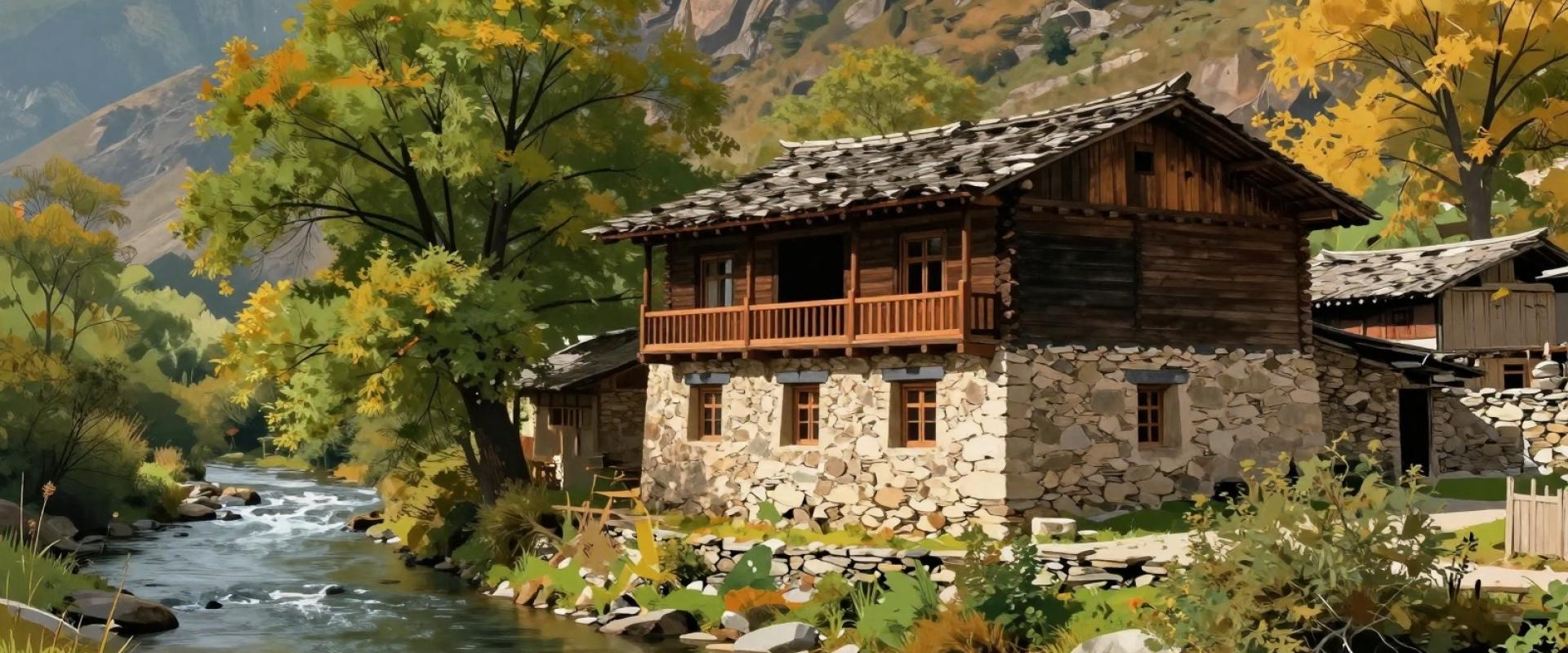
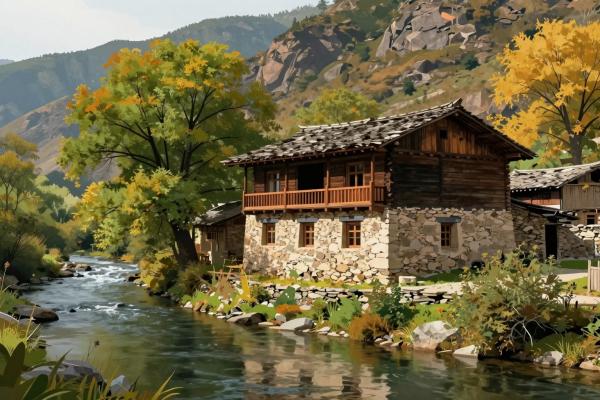
The village lies within the Montesinho Natural Park, a remote highland of oak woods, meadows, and rounded hills at the north-eastern edge of the country. Winters are cold and long, and summers are short and dry, and life here has traditionally been hard. The houses are built of local schist and granite, with slate roofs, wooden balconies, and outside stairs, and many have stone-walled yards where animals once lived below the family quarters. Narrow lanes, small stone bridges over the river, and green meadows give a picturesque appearance, and the setting looks much as it must have done a century ago.
Rio de Onor became known well beyond Portugal because of a study by the anthropologist Jorge Dias in the 1950s, which described its community-based way of life. Villagers worked certain lands, pastures, and flocks in common, managed by a council of residents, and shared ovens, mills, and tools. Some of that communal tradition survived into recent times, and the village has become a symbol of rural collectivism. The local speech, with its own vocabulary and pronunciation, is also of interest to linguists, and weaving, cheese-making, and other crafts reflect the pastoral economy. Winter festivals with masked figures and bonfires continue old customs in many villages of this region.
The road to the village winds through the hills, and the last stretch can be narrow, so allow extra time and drive carefully. Spring and autumn are the most pleasant seasons for visiting, with green meadows or golden woods, while winter can be bitterly cold.
It suits walkers, photographers, anthropologists, and anyone interested in rural Portugal beyond the tourist routes. Combine it with a walk in the park and a meal of local smoked sausage and roast meats in nearby villages.
Categories
More photos coming soon
Admission Fees
Admission
Free
Nearby Attractions
Other places to visit in Rio de Onor
Frequently Asked Questions
Quick Facts
Best Time to Visit
Late spring to early autumn (May–September) offers mild to warm weather, lush landscapes, and vibrant village life for exploring Rio de Onor and Montesinho Park.