


Palatial Gardens Of Sintra
Romantic 19th-century gardens with panoramic views
Sintra's gardens are as much a part of its reputation as its palaces, and they owe their character to a particular moment in history, the Romantic movement of the late 18th and 19th centuries. Writers and artists across Europe turned away from formal geometry and sought wild, picturesque landscapes, with ruins, waterfalls, and mysterious woods. Sintra, with its misty granite hills, springs, and mild climate, offered exactly this setting, and its fame spread when Lord Byron visited in 1809 and described it in Childe Harold as a glorious Eden. Visitors followed, and wealthy owners began to build villas and gardens on the slopes.
One of the earliest landscape makers was the English writer William Beckford, who leased the estate of Monserrate in the 1790s and began to lay out a romantic park there. After his time the property fell into ruin, and in the mid-19th century it was bought by Francis Cook, an English merchant, who built the present palace and extended the gardens with plants from around the world. Monserrate has a Mexican garden, a rose garden, and a valley of tree ferns and cycads, and its collection of species from five continents is one of the most important in Portugal.
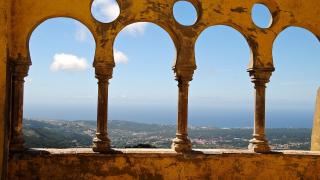
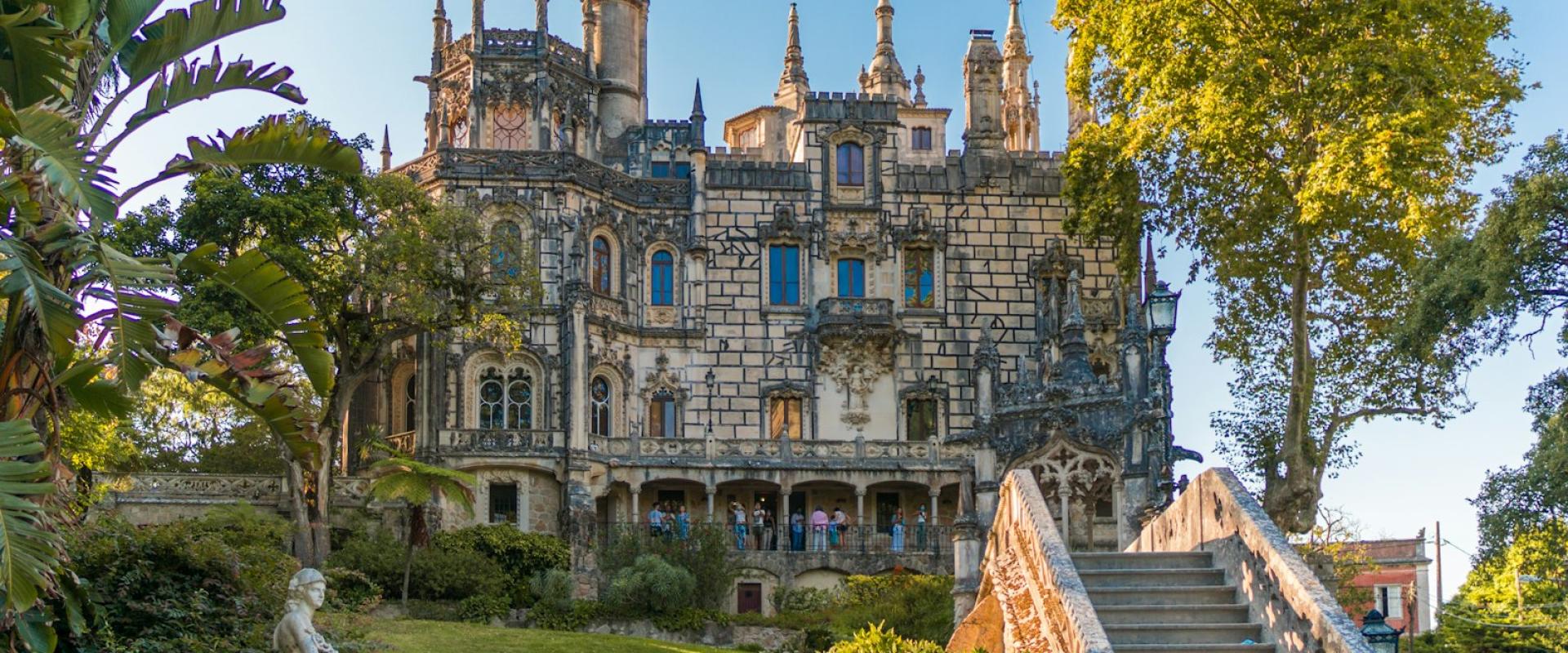
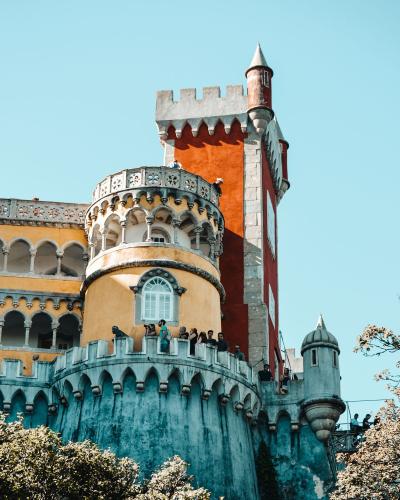
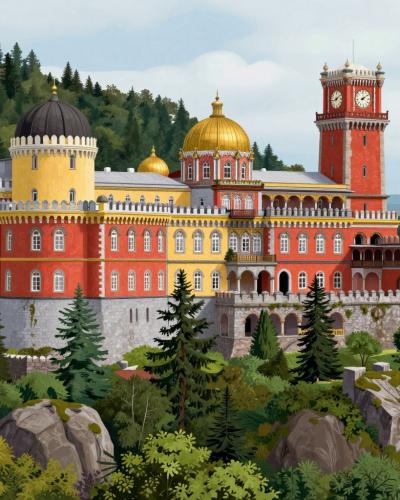
The royal gardens are of a different kind. In the town centre, the grounds of the National Palace are a small, quiet space, with shaded paths and views of the palace's twin chimneys. On the hill above, the Parque da Pena was created by Ferdinand II, the king consort, in the 1840s and 1850s as the setting for the palace he built on the summit. He laid out ponds, lakes, winding paths, and viewpoints, and planted cedars, camellias, ferns, and magnolias, so that the landscape looks as though it grew naturally. Smaller estates, such as the Quinta da Regaleira and the Palácio de Seteais, add their own gardens and terraces.
Walking is the best way to see them. Each garden has its own character and entrance, and the paths are often steep, so comfortable shoes are essential. Mist and drizzle are common, and they add to the mood, but views can be hidden, so be prepared to adjust plans. Opening hours and charges differ, so check before visiting.
The gardens suit walkers, photographers, plant lovers, and anyone who enjoys the atmosphere of a Romantic landscape. Allow at least a day for two or three.
Categories
More photos coming soon
Nearby Attractions
Other places to visit in Sintra

Frequently Asked Questions
Quick Facts
Best Time to Visit
Spring (March-May) and autumn (September-November) offer mild weather, lush gardens, and fewer crowds for exploring Sintra’s palaces and hiking trails.