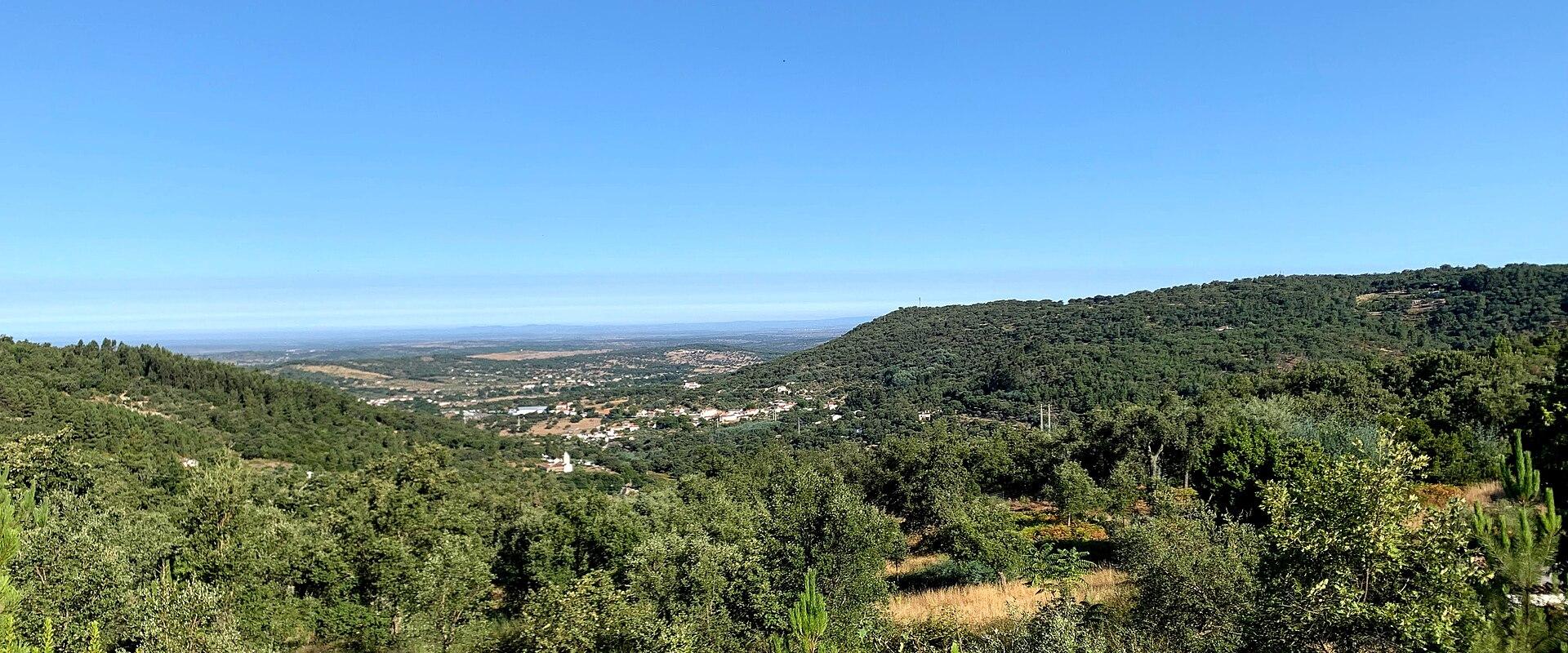
Parque Natural Da Serra De São Mamede
Mountainous nature reserve near Spanish border
The Serra de São Mamede Natural Park protects roughly fifty-six thousand hectares of mountains, valleys and farmland in the north-east of the Alentejo, along the Spanish border. Created in 1989, it covers parts of several municipalities in the Portalegre district, among them Portalegre, Marvão, Castelo de Vide and Arronches, and it is one of the most varied protected areas in southern Portugal. Altitudes run from about 300 metres to just over 1,000, and the change in height produces a mosaic of habitats very different from the flat plains of the rest of the region.
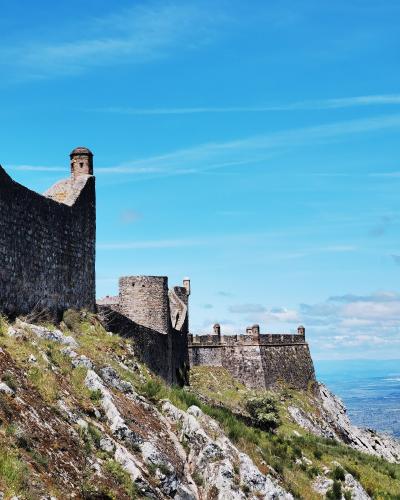
Its human history is as interesting as its wildlife. For centuries, the villages of the park lived from a mix of cork harvesting, chestnut groves, olives, cattle, goats and small farms, and the landscape still reflects this. Stone walls, small fields, orchards and terraces cover the lower slopes, and stone villages built of granite and limestone sit on hilltops. Marvão, perched on a granite crest, is among the most dramatic, with its walled village and castle visible for miles. Castelo de Vide, in the valley below, has a well-preserved medieval Jewish quarter with a 13th-century synagogue, one of the oldest in Portugal, and the lanes of whitewashed houses with flower-filled balconies are a delight. Alegrete, with its small castle, and Portalegre, known for its tapestry workshops and the museum devoted to the craft, offer more to see.
The park is also a place for tasting. The area is known for chestnuts, harvested in autumn and celebrated in festivals in Marvão, as well as cherries, honey, olive oil, goat and sheep cheeses and black pork from pigs that feed on acorns. Regional cooking includes hearty stews, game and sausages, and the local wines of the Alentejo are easy to find in restaurants and shops. Guesthouses and rural hotels in converted manor houses provide a base.
For walkers, the park has a network of waymarked trails, ranging from short strolls near the villages to long routes across the ridges, and cycling and horse riding are also possible. Spring brings wildflowers and green hills, and autumn offers chestnut woods in gold and bronze, which many consider the best time. Summers are hot on the lower ground and cooler on the heights. Wildlife includes deer, wild boar, otters in the rivers and a rich bird fauna, but visitors should not expect to see the Iberian lynx here, as it does not live in this park. Information is available at the park visitor centre in Portalegre, where staff can advise on trails and conditions.
The park is open year-round with no entry fee, and access is easiest by car, along roads that wind through the hills. It suits walkers, nature lovers and those interested in history and rural life, and it offers a quieter alternative to the Algarve and the coast.
Categories
More photos coming soon
Hours & Fees
Hours
Open year-round
Admission
Free
Nearby Attractions
Other places to visit in Serra de São Mamede
Frequently Asked Questions
Quick Facts
Best Time to Visit
Spring (March-May) and early autumn (September-October) offer mild weather, lush landscapes, and ideal conditions for hiking and exploring Serra de São Mamede.