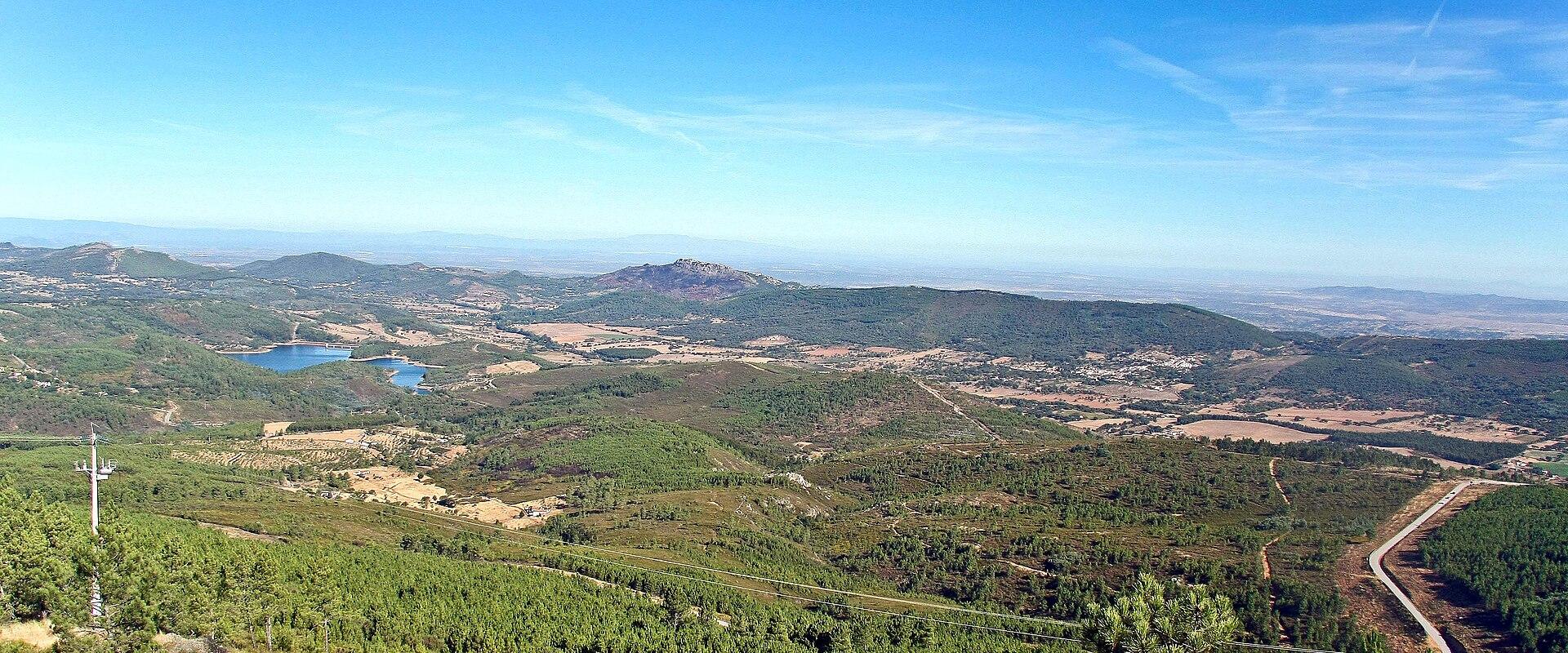
Serra De São Mamede Highest Peak (1,025m)
Highest peak south of the Tagus River
The summit of the Serra de São Mamede rises to 1,025 metres, the highest point in Portugal south of the Tagus. It lies in the Alto Alentejo, a few kilometres from Portalegre and the town of Castelo de Vide, on a long ridge that runs north-west to south-east and rises well above the plains that surround it. The mountain is named after Saint Mamede, a Christian martyr, and it gives its name to a natural park that has been protected since 1989.
The ridge is a surprise in the Alentejo, a region better known for its low, rolling, dry plains of cork oaks and wheat fields. The mountains here belong to a different geological world. The core is made up of hard, ancient rocks of the Paleozoic era, among them quartzite, which forms crests and crags that resist erosion, along with schist and limestone, which weather into gentler slopes and give rise to fertile valleys. This variety of rock gives the park an unusual range of landscapes in a small area, from bare, craggy ridges to valleys of orchards and olive groves.
The altitude changes the climate. The mountain catches moisture from the Atlantic winds, and the summit and upper slopes are cooler, wetter and foggier than the plains below, with rain falling more often and occasional snow in winter. As a result, the vegetation is different. Chestnut woods and oak forests cover large areas, together with cork oak and holm oak at lower levels, and in places strawberry trees, gorse and heather. The streams that rise here feed two major rivers, and the summit lies on the watershed between the basins of the Tagus and the Guadiana.
Wildlife benefits from this mixture of habitats. Deer, wild boar, foxes and other mammals live in the woods, and the cliffs host birds of prey and vultures, though specialists would say more about those. Walking is the best way to enjoy the area, and the park has a network of waymarked trails of varied length and difficulty, some of which cross the high ridge and offer wide views over the plains toward Spain. Maps and information are available from the park offices in the main towns. Fog can descend quickly, so carry a map, warm clothes and water.
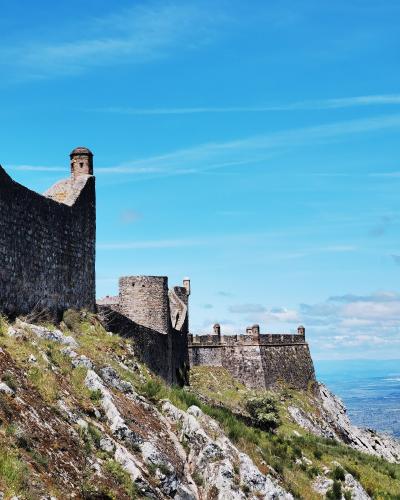
Around the mountain lie places that deserve a visit. Marvão, a walled village on a crest at the northern edge of the park, has a castle with huge views, and Castelo de Vide has a medieval Jewish quarter with a synagogue and a famous spring-fed fountain. Portalegre has a tradition of tapestry weaving. Spring and autumn are the best seasons for walking, while summers can be hot on the lower slopes. The peak suits hikers, nature lovers and anyone who wants to see a surprising, cool corner of the Alentejo.
Categories
More photos coming soon
Nearby Attractions
Other places to visit in Serra de São Mamede
Frequently Asked Questions
Quick Facts
Best Time to Visit
Spring (March-May) and early autumn (September-October) offer mild weather, lush landscapes, and ideal conditions for hiking and exploring Serra de São Mamede.