Ponta Do Calheta
Coastal point in Porto Santo, Portugal
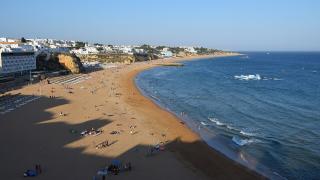
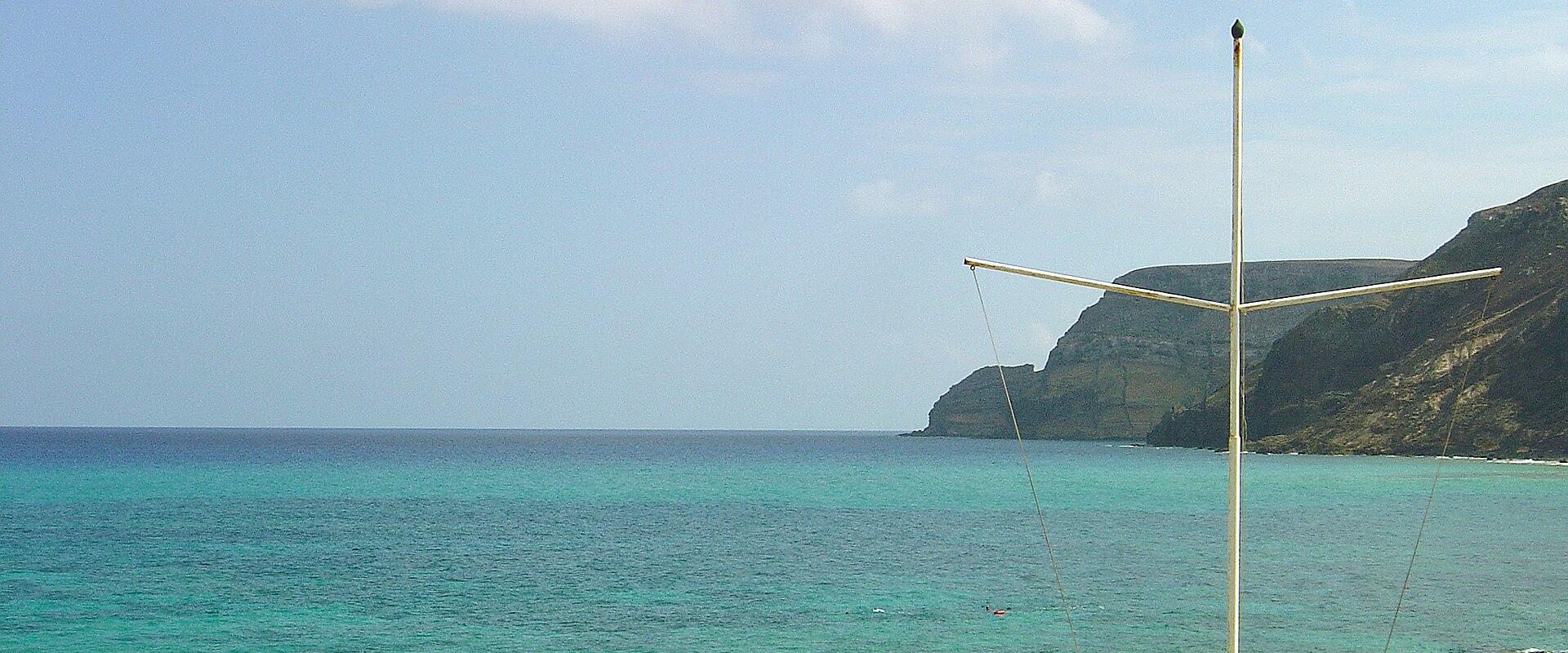
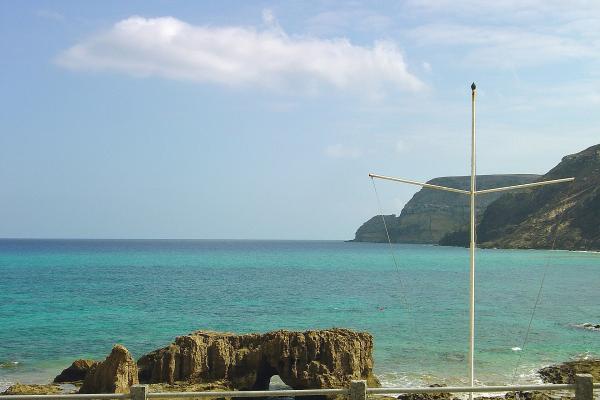
The south-west tip of Porto Santo ends in a low, rocky headland, the Ponta da Calheta, and it is one of the island's best places to feel its dry, windswept, volcanic character. The beach that carries the same name runs up to the point from the north, and beyond it the sand gives way to dark rock, cliffs and open sea. The headland is about as far from the busy resort strip of Vila Baleira as you can go on this small island, and it is quiet, with few buildings and long views.
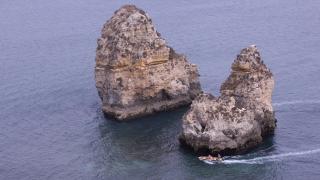
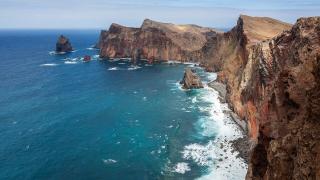
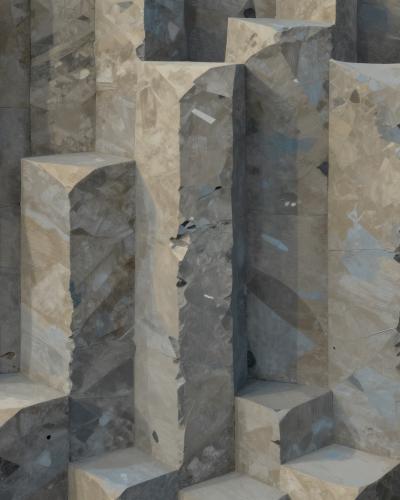
The landscape is the main reason to come. Porto Santo is much older and drier than Madeira, with eroded volcanic hills, bare ridges and scrubland, and the Ponta is typical of it. The cliffs here are formed from layers of lava and ash, and the colours range from black and brown to red and ochre, which glow in the evening light. At the foot, waves have carved the rock into ledges, pools and small coves, and in calm weather, rock pools at low tide teem with small creatures. Wind is usual, and the water can be rough, so swimming is best on the sheltered beach nearby. Out to sea, a number of small islets rise from the water off the south-west coast, among them the Ilhéu de Baixo, also called the Ilhéu da Cal, because lime was once quarried there, and these dry, uninhabited rocks are a haven for seabirds.
The headland is a good place for walking. Tracks lead along the cliff edge and across the dry hills behind, and the paths connect with the neighbouring cove of Zimbralinho and with trails to the island's higher points. The ground is stony and exposed, with little shade, so wear sturdy shoes, take water and avoid the middle of the day in summer. In spring, small wildflowers appear in the scrub, and birdwatchers may spot Berthelot's pipits, kestrels and migrating birds, along with the seabirds offshore. Take care near cliff edges, which can be crumbly, particularly in strong wind.
Sunset is the best moment. The sun drops into the Atlantic beyond the islets, and the rocks light up in warm tones, and since there are no buildings to block the view, the effect is wide and peaceful. There are no services at the point, so bring what you need.
Getting there is easy by car or taxi from Vila Baleira, along quiet roads, and there is a small area to park near the end of the track. The headland suits walkers, photographers and visitors who prefer quiet places. Combine it with a swim at Praia da Calheta, a visit to the basalt organ cliffs and a meal in town.
Categories
More photos coming soon
Nearby Attractions
Other places to visit in Porto Santo
Frequently Asked Questions
Quick Facts
Best Time to Visit
Late May to mid-September offers warm, dry weather and ideal conditions for beach activities, swimming, and exploring Porto Santo’s natural beauty.