
Porto Old Town
UNESCO-listed riverside district with medieval charm
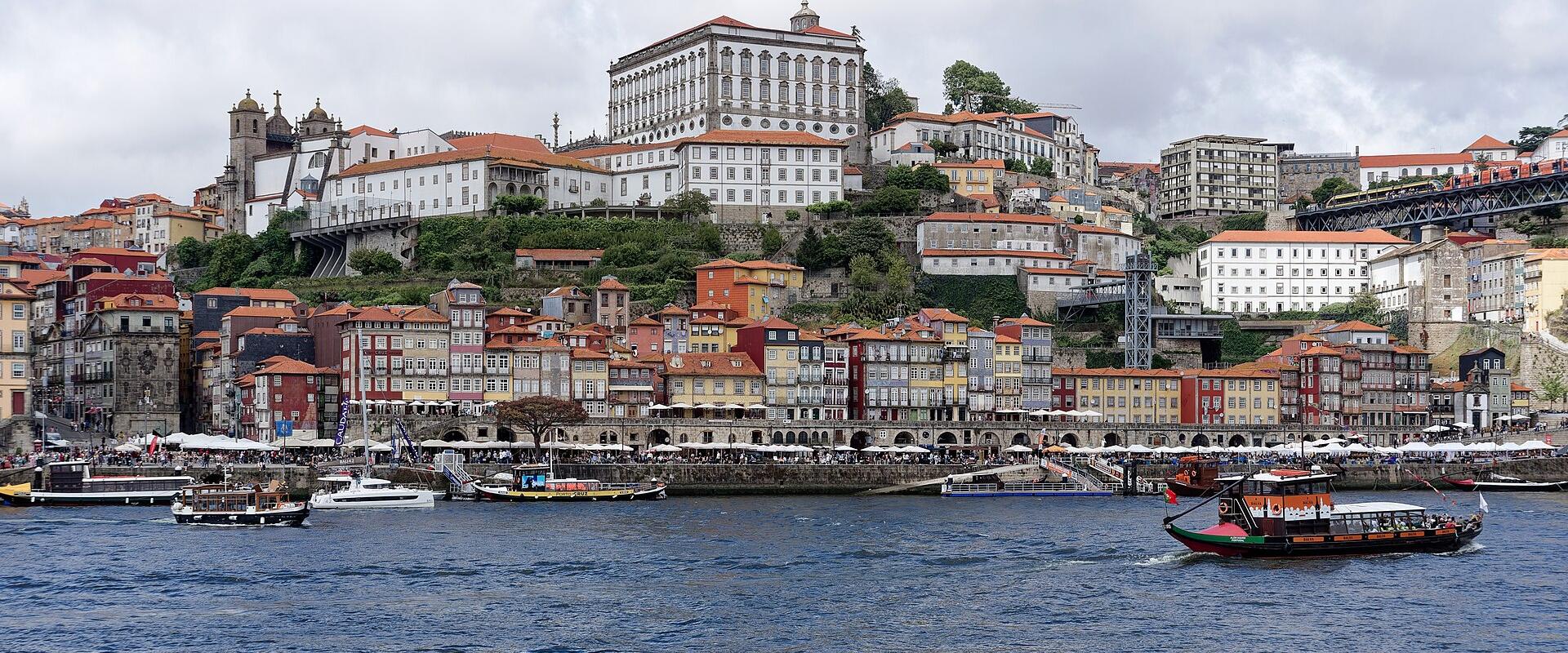
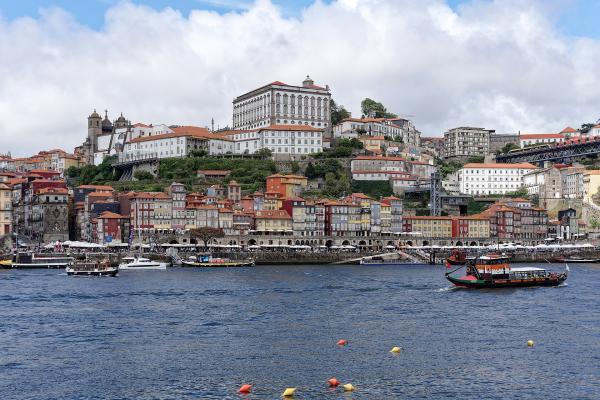
Porto's old town climbs from the Douro in a series of steep terraces, and its layout is the key to understanding it. At the top of the hill stands the cathedral, the Sé, a fortress-like Romanesque building of the 12th century altered in later periods, with a Baroque loggia by Nicolau Nasoni on one side and a cloister covered in 18th-century blue and white tiles. Its terrace gives the first great view of the city, across a sea of terracotta roofs to the river and the cathedral's own granite towers. Beside it stands the Episcopal Palace, a large 18th-century building that has served as the bishop's residence and now houses cultural and municipal uses.
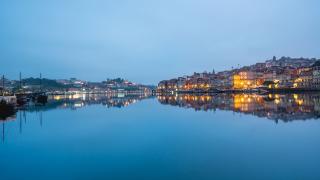
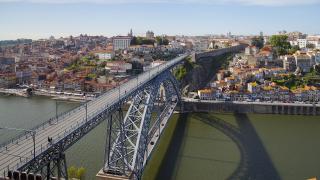
From the cathedral, streets descend in tight curves and flights of steps to the Ribeira, the old riverside quarter, where tall, narrow houses with coloured facades and iron balconies rise from the quay. The quarter's alleys, arches, and stairways are full of life, with washing hanging from windows, small shops, and restaurants serving grilled fish and the city's tripe stew. The Dom Luís I Bridge spans the gorge above, and across the water the port lodges of Vila Nova de Gaia line the slope. The historic centre, including the Ribeira, was inscribed on the UNESCO World Heritage List in 1996, together with the bridge and the Serra do Pilar monastery across the river.
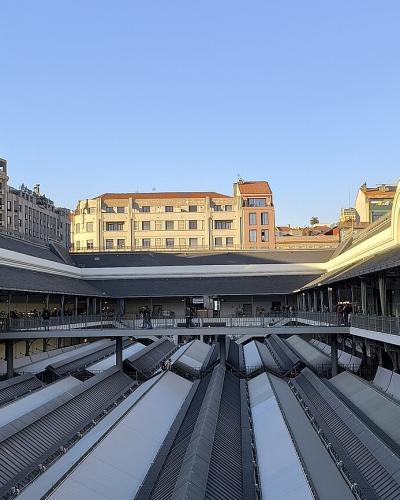
Other landmarks lie within easy walking distance. The Palácio da Bolsa, the 19th-century Stock Exchange, is famous for its ornate Arab Room, covered in gilded stucco in a Moorish style. The church of São Francisco, with its Gothic exterior and lavish gilded interior, stands next to it. The Rua das Flores, a narrow pedestrian street lined with 16th-century houses, shops, and the Misericórdia church, leads toward the São Bento station, where the tile panels are among the most famous in the country. The covered Ferreira Borges market, an iron building of the 19th century, now hosts events.
The pleasure of the old town is in wandering. There are small squares, tiled churches, views at every turn, and a lively atmosphere in the evening. The streets are steep and cobbled, so wear comfortable shoes, and be prepared for stairs. A funicular and the metro offer alternatives to climbing. Summer afternoons can be hot, while winter and spring bring rain, so bring a light waterproof.
The old town suits all visitors, and a full day gives time for the main sights and a long lunch. Early morning and evening offer the best light and fewer crowds.
More photos coming soon
Nearby Attractions
Other places to visit in Porto
Frequently Asked Questions
Quick Facts
Best Time to Visit
May to September offers warm, sunny weather ideal for sightseeing and riverfront activities; spring and early autumn are especially pleasant and less crowded.