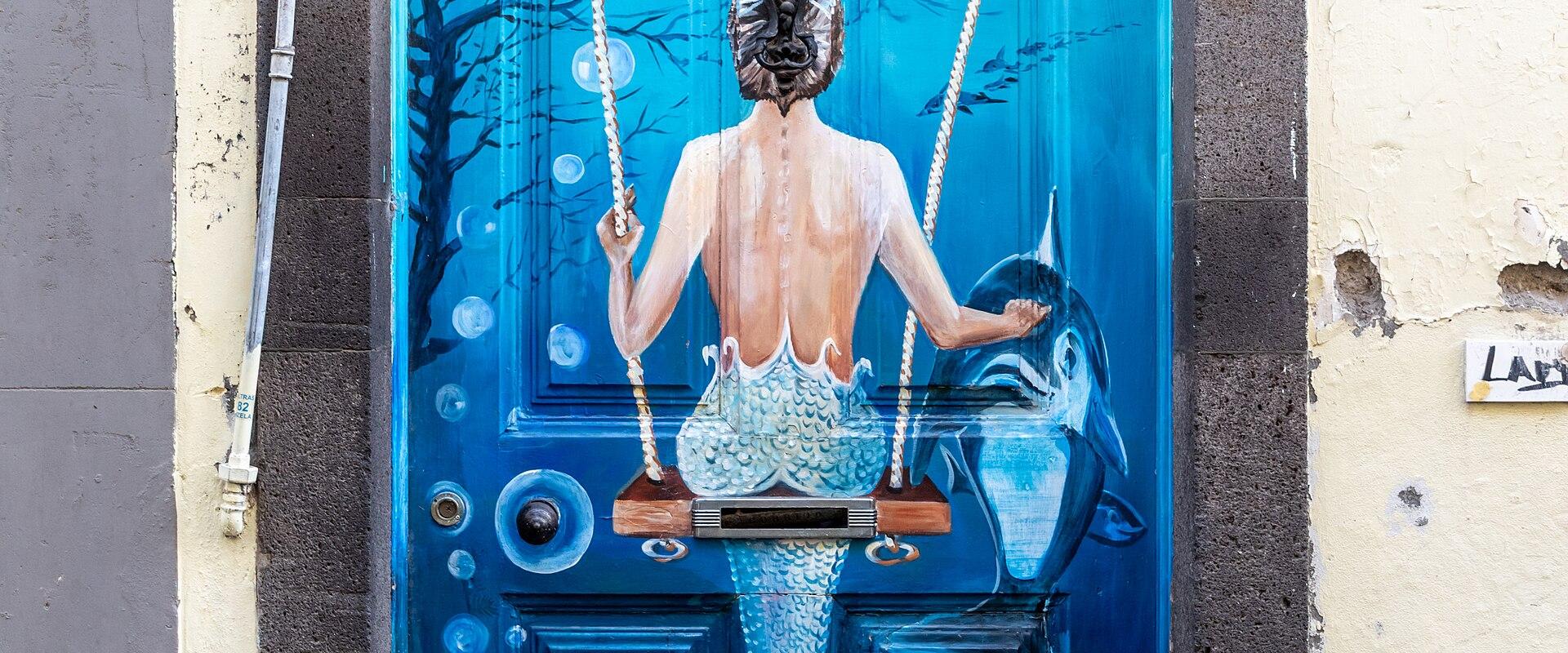
Rua De Santa Maria (Painted Doors Art Project)
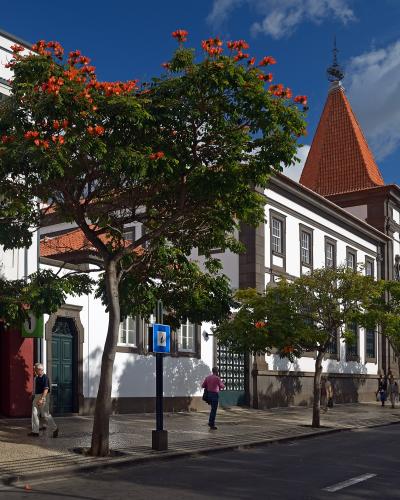
Street of painted doors in Funchal's historic center
Rua de Santa Maria is the oldest street in Funchal, and it has had two lives in the last decade: first as a run-down quarter of boarded-up houses, then as an open-air gallery of painted doors. The project that changed it, called Arte de Portas Abertas, Open Doors Art, began in 2010, when a group of artists, with the support of the local council and the street's businesses, started to paint the doors of closed and abandoned buildings. The idea was simple: to bring life to a neglected area through art. It has worked so well that the street is now one of the most photographed in Madeira.
The street's history lies behind the story. Funchal grew from a small settlement on the shore in the early 15th century, and the first houses were built along this road, which ran above the beach. It was a district of fishermen, sailors and traders, who lived in low houses with doors that opened directly onto the cobbles, and for centuries, it was a lively, rough waterfront. As the port moved and the city grew, the area declined, with many houses abandoned. By the early 2000s, the Zona Velha, the old town, was in need of revival, and the painted doors offered a way to begin it.
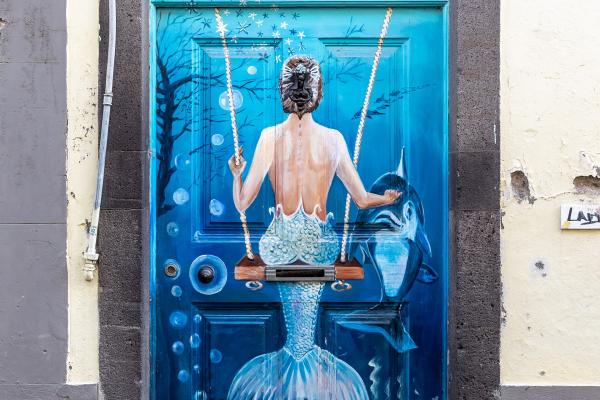
More than two hundred doors have been painted so far, by local and visiting artists, in a huge variety of styles. Some are realistic, with portraits of fishermen, sailors and old women, or scenes of boats, waves and fish. Others are abstract or playful, with geometric patterns, comic figures, flowers, birds, tropical plants and pop-art imagery. Some carry social or political messages, and some pay homage to Madeiran traditions, such as embroidery, wicker and the festivals of the island. Walking down the street, you can read each door like a page in a picture book. The artists often come back to repaint, so the display changes over time, and a few doors are covered in several layers of work.
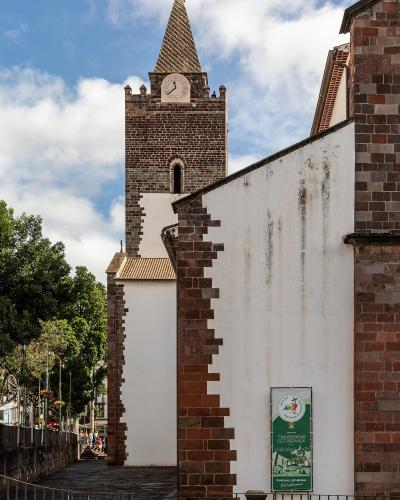
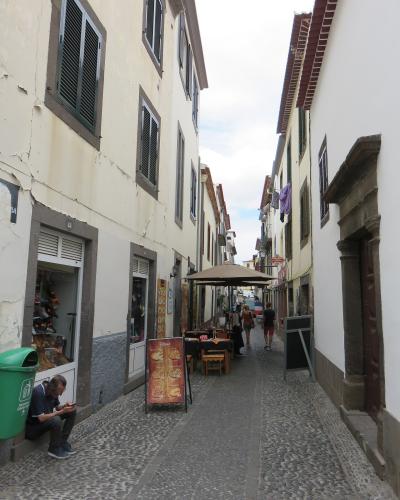
The project has encouraged the reopening of old buildings. Restaurants, bars, tavernas and small shops now occupy many of the ground floors, and in the evening, tables spill into the street, with grilled fish, espetada and poncha on the menu. The Capela do Corpo Santo, a small 15th-century chapel associated with the fishermen, and the church of Santa Maria Maior, locally known as the Igreja do Calhau, stand close by, and the street leads on to the Fortress of São Tiago and the seafront. The Mercado dos Lavradores is a short walk away.
The street is free to walk and open at all times. It is a short stroll of a few hundred metres, but plan to stay longer, since the details reward slow looking. The daytime light is good for photographs, and the evening is lively. Cobbles are uneven, so wear comfortable shoes. The street suits everyone, from art lovers to those looking for dinner.
Categories
More photos coming soon
Nearby Attractions
Other places to visit in Funchal
Frequently Asked Questions
Quick Facts
Best Time to Visit
April to September offers warm, sunny weather and vibrant gardens, but Funchal’s mild climate makes it enjoyable year-round.