


Ruínas Da Capela De Monserrate
Ruins of 16th-century chapel in Sintra hills
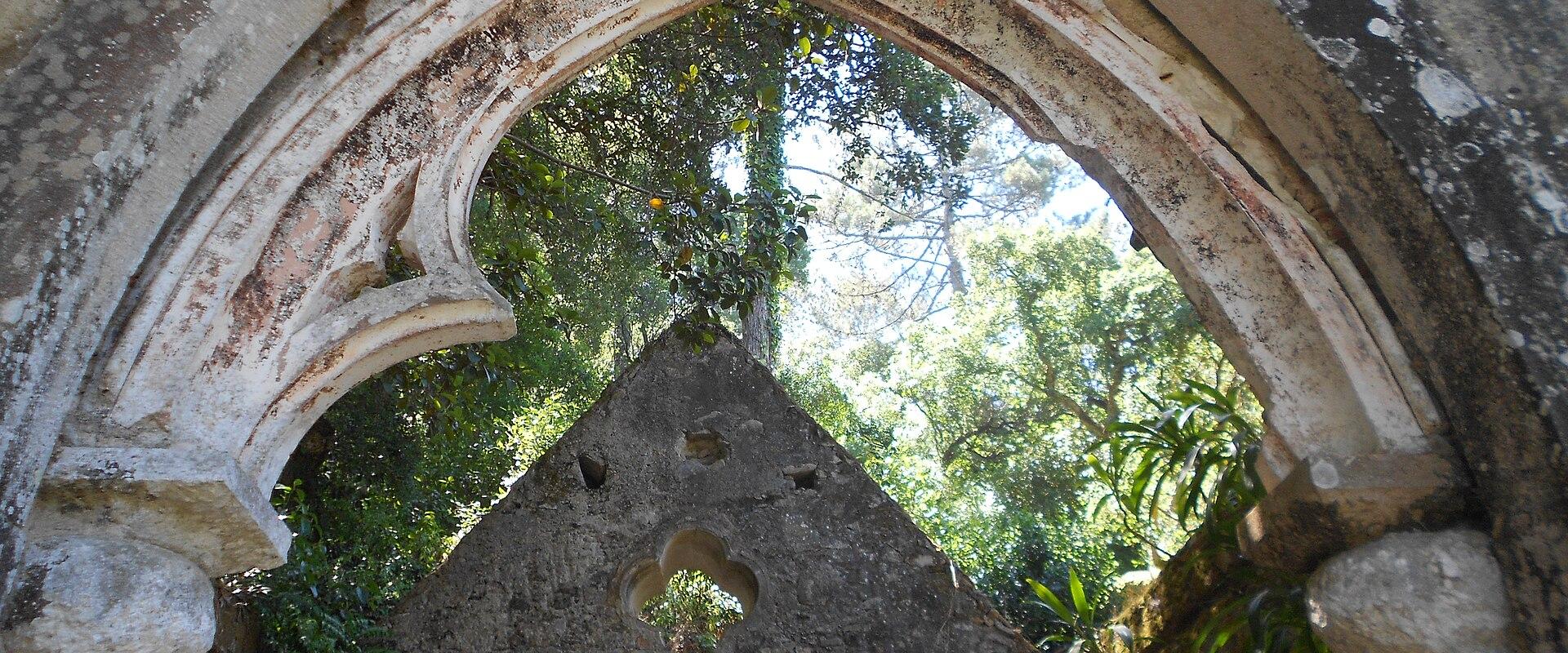
Monserrate is the most romantic of Sintra's great estates, and among its pleasures is a ruined chapel, half hidden among trees and rocks, that looks as if it had been waiting for painters. The estate lies west of the town, on a wooded hillside, and it is best known for its palace and its botanical gardens. The ruin is a quieter part of the story, an atmospheric stop along the garden paths, and it connects the grand Victorian park with the much older history of the hill.
The name Monserrate comes from a small chapel dedicated to Our Lady of Monserrat, founded in the early 16th century by a hermit-priest, who built a shrine and a hermitage on the hill. The chapel was later damaged, and the great earthquake of 1755 left the site in ruins. In the late 18th century, the estate passed through the hands of several owners, including an English merchant, and was later rented by the writer William Beckford, who loved Sintra. The poet Lord Byron visited in 1809 and wrote of Sintra as a glorious Eden in his poem Childe Harold, helping to make the place famous across Europe.
The estate gained its present form in the 19th century. In 1856, Francis Cook, a rich English merchant and art collector, bought Monserrate, and he and his family transformed it. He had the old house replaced by a new palace, designed by the architect James Knowles, in an exotic mixture of Gothic and Moorish styles, with domes, arches and elaborate stonework. The gardens were laid out with plants from around the world, including tree ferns, palms, camellias, cacti and rare conifers, arranged along winding paths with streams, lakes and waterfalls. In this setting, the ruined chapel was kept as a picturesque feature, a romantic ruin among the greenery, with stonework, arches and moss.
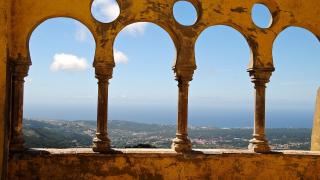
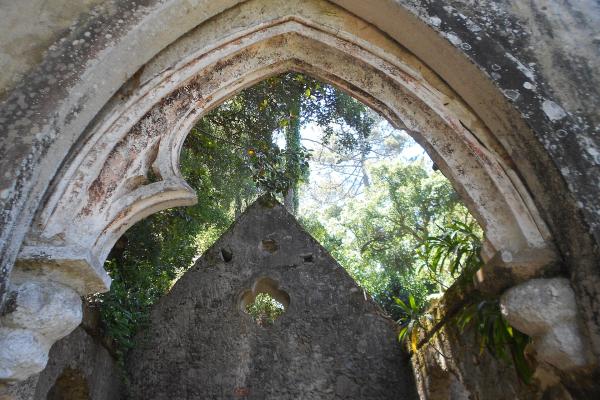
The walls of the chapel stand open to the sky, covered with ferns and ivy, and the contrast between stone and plants is part of the charm. It is a good place to pause on a walk, and a photograph is hard to resist. The palace itself, with its richly decorated rooms, has been restored and is open to visitors, and the garden has distinct sections, including a Mexican garden, a rose garden and a large lawn.
The estate has its own entrance and ticket, separate from other Sintra monuments, and it is open daily, with closing times that vary by season. It is about three kilometres from the town centre, and can be reached by bus, taxi or a pleasant walk. Allow two to three hours. The site suits garden lovers, photographers and anyone who enjoys the romance of ruins.
Categories
More photos coming soon
Nearby Attractions
Other places to visit in Sintra

Frequently Asked Questions
Quick Facts
Best Time to Visit
Spring (March-May) and autumn (September-November) offer mild weather, lush gardens, and fewer crowds for exploring Sintra’s palaces and hiking trails.