


São Bento Station
Historic Porto station with iconic azulejo tiles
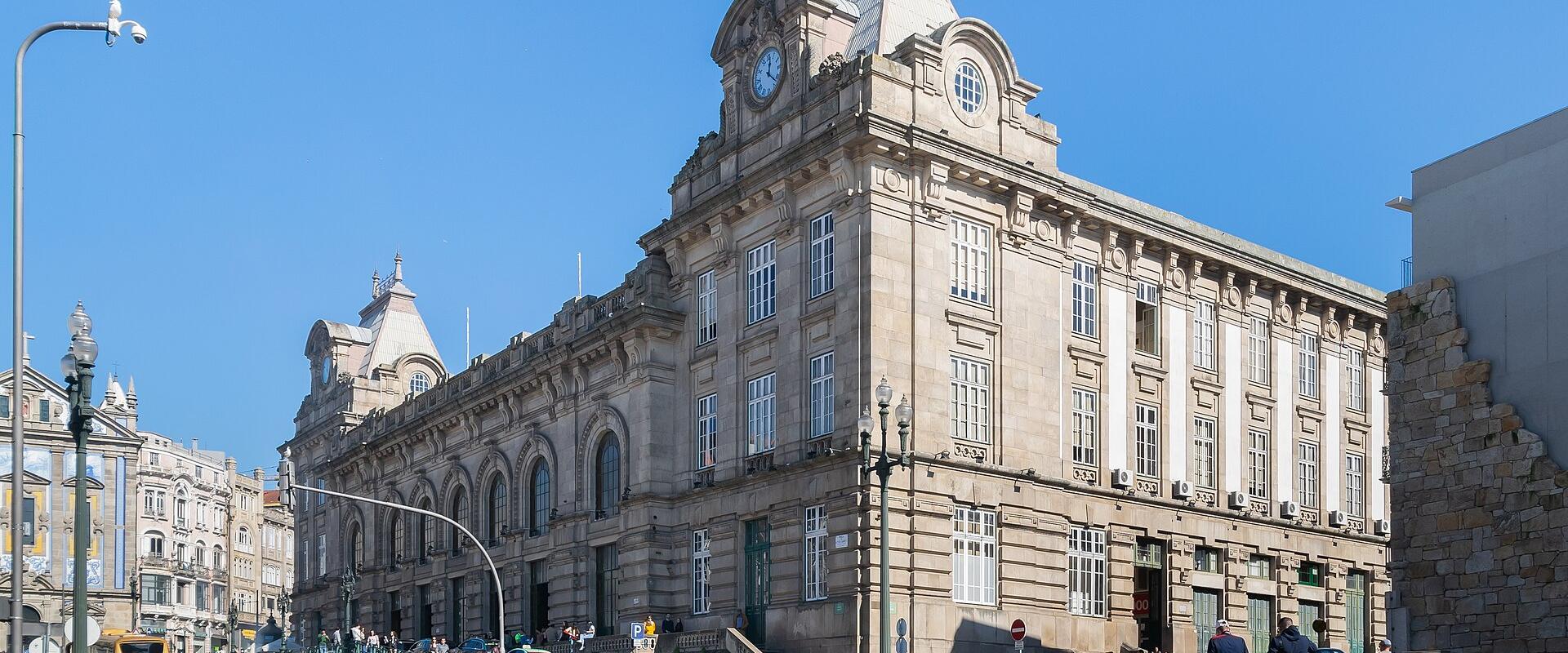
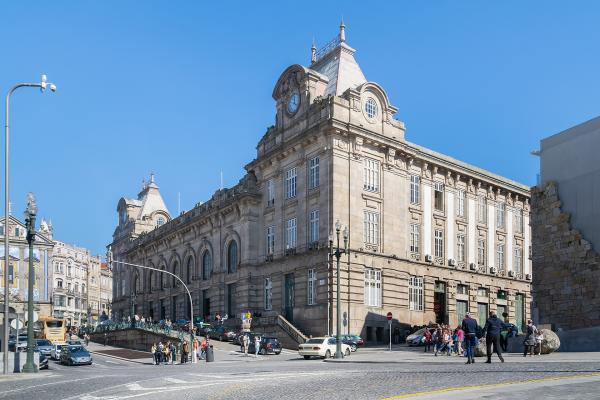
São Bento is a railway station that people visit without any intention of catching a train. The reason is the great entrance hall, which is lined from the floor to the vaulted ceiling with about twenty thousand blue and white azulejo tiles, forming huge murals that tell the story of Portugal. It is one of the most celebrated railway stations in Europe, and it stands in the middle of Porto's historic centre, a few steps from the cathedral and the Clérigos Tower.
The station occupies the site of the old convent of São Bento de Avé-Maria, a Benedictine house founded in the 16th century, whose buildings were damaged by a fire and later demolished. The project for a central station began in the early 20th century, and the architect José Marques da Silva, one of the leading Portuguese architects of his time, who had trained in Paris, designed it in the French Beaux-Arts style, with a grand facade, a mansard roof and a vaulted hall. Construction took years, and the station opened in 1916, though the tile decoration was installed later, in the late 1920s and early 1930s.
The tiles were the work of Jorge Colaço, one of the most prolific azulejo painters of the 20th century, who produced panels for stations, palaces and churches across Portugal. The murals in the hall cover the walls in a continuous frieze. The upper panels depict scenes from national history, among them the arrival of King João I in Porto for his marriage to Philippa of Lancaster in 1387, the conquest of the North African city of Ceuta in 1415, in which Prince Henry the Navigator took part, and battles from the early days of the kingdom, rendered in a dramatic, almost theatrical manner. Below, the lower bands show scenes of rural life, such as harvests, ox carts, festivals, pilgrimages and country markets, which give the hall a more homely and lively character. Their colours are the classic blue and white, with touches of ochre, and the effect, especially when sunlight falls through the windows, is memorable.
Visiting is free, and the hall is open at all hours, since the station is in daily use for suburban and regional trains. Come in the early morning or late afternoon, when it is less crowded, and note that tourists can slow the flow of commuters, so be considerate. A visit takes ten to twenty minutes, though many people stay longer to study the panels, and it is easily combined with a walk to the nearby cathedral, the Ribeira and the bookshop on Rua das Carmelitas.
Other stations in Porto and along the Douro line, such as Pinhão, have azulejo panels too, but São Bento is the grandest. The station suits everyone with an interest in art and history, and it is a rewarding short stop in the city.
Categories
More photos coming soon
Nearby Attractions
Other places to visit in Porto


Frequently Asked Questions
Quick Facts
Best Time to Visit
May to September offers warm, sunny weather ideal for sightseeing and riverfront activities; spring and early autumn are especially pleasant and less crowded.