





Sintra Tram
Historic 1930s tram from Sintra to Atlantic coast
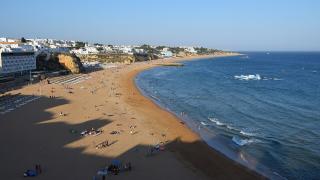
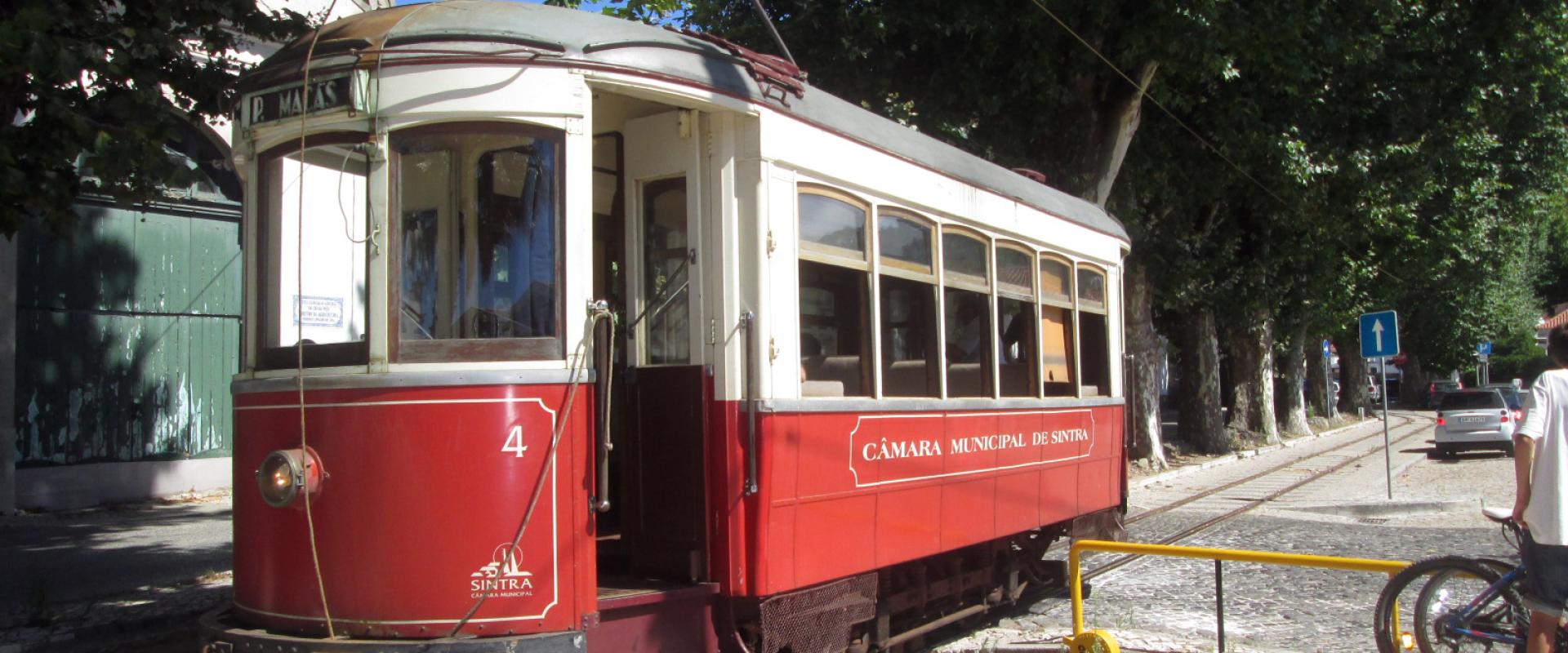
The Sintra Tram is a heritage line that runs from the edge of the town to the Atlantic coast, and it is one of the most enjoyable ways to see the countryside west of Sintra. It uses restored electric cars of the early 20th century, built in the American Brill style, with wooden seats, polished brass and open windows, and the rattling ride feels like a journey into the past. The line runs through hills, vineyards and villages, and ends at the seaside resort of Praia das Maçãs.
The line has a long history. A concession for a tramway between Sintra and the coast was granted in the late 19th century, and the first section, from Sintra to the village of Colares, opened in 1904. The track was extended to Praia das Maçãs in 1905, and a later extension reached Azenhas do Mar, a village of white houses on a cliff. For decades, the trams carried farmers, fishermen and holidaymakers, but as buses and cars took over, much of the line was closed, and the remaining section was kept as a tourist attraction. Today, the service operates on a limited timetable, mainly in summer and at weekends, and the trams run on a single track, with passing places.
The route takes about forty-five minutes. It leaves the edge of Sintra and climbs through woodland of oak and eucalyptus, with glimpses of the Pena Palace above the trees, then descends through the village of Colares, whose name is famous in the wine world. The sandy soils of this coastal strip were planted with the Ramisco grape, which grows on its own roots in the sand and was one of the few European vines that survived the phylloxera plague of the 19th century. The old vineyards, protected from the Atlantic wind by low walls and reed fences, can still be seen from the tram. Beyond Colares, the line runs past farms and orchards to the coast, and the last stretch opens to views of the sea and the beach.
Practical points: the trams are small, with a limited number of seats, and on sunny days they fill quickly, so arrive early. Tickets are bought from the conductor, and fares are modest. The timetable changes, so check for current departure times, particularly outside the summer. A bus runs on a similar route if the tram is full or not operating. From the terminus, you can walk on the beach, eat grilled fish at a seafront restaurant or continue by foot or taxi to Azenhas do Mar, and the tram can be taken back or you can return by bus.
Bring a jacket, as the coast can be cool and windy, even in summer. The ride suits families, rail enthusiasts and anyone who wants a relaxed way to see the coast.
More photos coming soon
Nearby Attractions
Other places to visit in Sintra


Frequently Asked Questions
Quick Facts
Best Time to Visit
Spring (March-May) and autumn (September-November) offer mild weather, lush gardens, and fewer crowds for exploring Sintra’s palaces and hiking trails.