


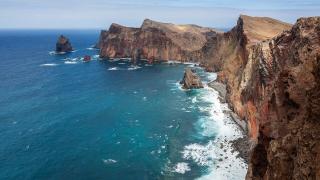
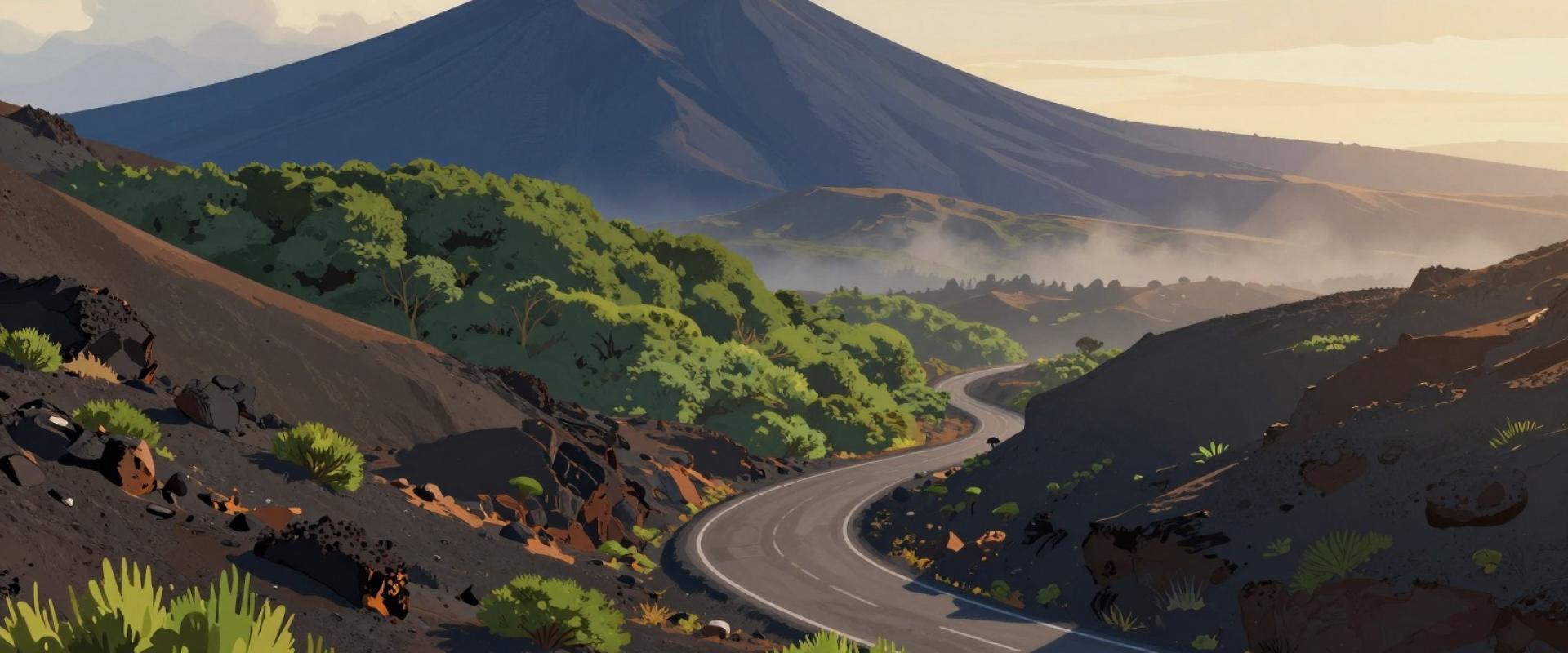
AI-generated illustration
Discovering Pico
One-day road trip exploring Pico's volcanic landscapes and UNESCO v...
1 day
•
Easy difficulty
•
Est. €128
Day 1: The Volcano, Vineyards, and Coastal Drive
A comprehensive one-day road trip covering Pico's iconic volcanic landscape, UNESCO-listed vineyards, and coastal villages. This itinerary focuses on the island's unique geological features and cultural heritage.
-
08:00
Pick up Rental Car & Breakfast
Pick up your rental car at the airport or your accommodation. Stop at a local bakery in Lajes do Pico for a traditional 'bolo lêvedo' (leavened bread) and coffee to start the day.
-
08:45
Miradouro da Boca do Inferno
Drive to the 'Hell's Mouth' viewpoint. This is the best spot to see the crater of Mount Pico and the surrounding lava fields. The view is dramatic and offers a sense of the island's volcanic power.
-
10:00
Curral das Folhas
Visit this unique geological formation where a lava flow from 1718 created a natural amphitheater. It is a short walk from the parking area and offers stunning views of the interior of the island.
-
11:30
Vineyard Landscape of Pico Island (UNESCO)
Explore the vineyards in the Madalena region. Walk among the 'currais' (low stone walls) that protect the vines from salt spray and wind. Visit a local winery for a tasting of Verdelho or other local wines.
-
13:30
Lunch in Madalena
Enjoy a traditional lunch in Madalena. Try 'Ensopado de Peixe' (fish stew) or fresh seafood. Many restaurants offer views of the harbor.
-
14:30
Natural Pools of Madalena
Walk along the coast to see the natural volcanic pools. While swimming might be chilly, the scenery of the black lava rocks against the blue Atlantic is spectacular.
-
15:30
Whale Museum (Museu da Baleia)
Visit the Whale Museum in Lajes do Pico to learn about the island's whaling history and current conservation efforts. It provides essential context for the marine life you might see.
-
16:30
Lagoa dos Cavaleiros
Drive to the northern coast to visit this large volcanic crater lake. It is a serene spot perfect for a relaxing walk and enjoying the solitude of the northern landscape.
-
18:00
Sunset at Cabo Girão Viewpoint
Head to the highest point on the island for sunset views. On clear days, you can see São Jorge island across the channel. This is a perfect end to the day.
-
19:30
Dinner in Lajes do Pico
Return to Lajes do Pico for dinner. Enjoy fresh grilled fish or local pork dishes at a family-run restaurant.
Meals:
Breakfast at Lajes do Pico , Lunch at Madalena , Dinner at Lajes do Pico
Where to stay: Stay in Lajes do Pico for convenience to the airport and main services, or in Madalena for a more authentic village atmosphere closer to the vineyards.
Getting around: A rental car is absolutely essential. Roads are narrow and winding; drive carefully. Watch out for cows on the road—they have right of way. Fuel up in Lajes do Pico as stations are sparse.
Practical Information
Pico Island is best visited between May and October, when weather conditions are most stable for outdoor activities and whale watching. While the Azores are green year-round, summer offers warmer temperatures and longer daylight hours, ideal for hiking and exploring coastal areas. Winter months bring higher rainfall and stronger winds, which can disrupt ferry schedules and make driving on narrow, winding roads more challenging. Regardless of the season, visitors should prepare for rapidly changing weather; microclimates can shift from sunny to rainy within minutes, so layering is essential.
Getting to Pico requires a combination of air and sea travel. Most visitors fly into João Paulo II Airport on São Miguel Island and then transfer to Pico via a short flight or a ferry from Ribeira Grande. Once on the island, renting a car is not just recommended but essential. Public transportation is extremely limited, and the island’s attractions are spread out. When driving, exercise extreme caution; cows frequently roam the roads and have the right of way. Always drive slowly, especially on narrow rural roads, and be prepared to stop for livestock.
For accommodation, staying in Madalena is highly recommended due to its central location and vibrant atmosphere. This town offers a wide range of options, from guesthouses to hotels, and serves as a convenient base for exploring the island’s UNESCO-listed vineyards. Alternatively, Lajes do Pico provides a more bustling town center with better dining and nightlife options, while São Roque do Pico offers a quieter, more traditional Azorean experience. Choose your lodging based on whether you prefer easy access to amenities or a more secluded, rural setting.
Budgeting for Pico should account for the higher cost of goods due to the island’s remote location. Car rentals, fuel, and accommodation can be pricey, particularly during peak summer months. Many tours and activities, such as whale watching or lava tube visits, are additional costs not included in general travel estimates. Dining out can also be expensive, so consider mixing restaurant meals with self-catering options.
Pack sturdy hiking boots for volcanic terrain, waterproof jackets for sudden rain, and swimwear for natural pools. Bring a camera to capture the unique landscape of lava rock fences and vineyards. Finally, respect local wildlife and agricultural sites; do not disturb the cows or the delicate vineyard ecosystems. Always check ferry and flight schedules in advance, as they can be subject to change due to weather conditions.
Book your stay
More Itineraries
7 days
Alentejo Highlights Tour
Seven-day tour of Alentejo's historic towns and cork oak landscapes
View Itinerary →
7 days
Algarve Highlights Tour
7-day tour of Algarve's cliffs, beaches, and historic towns
View Itinerary →