

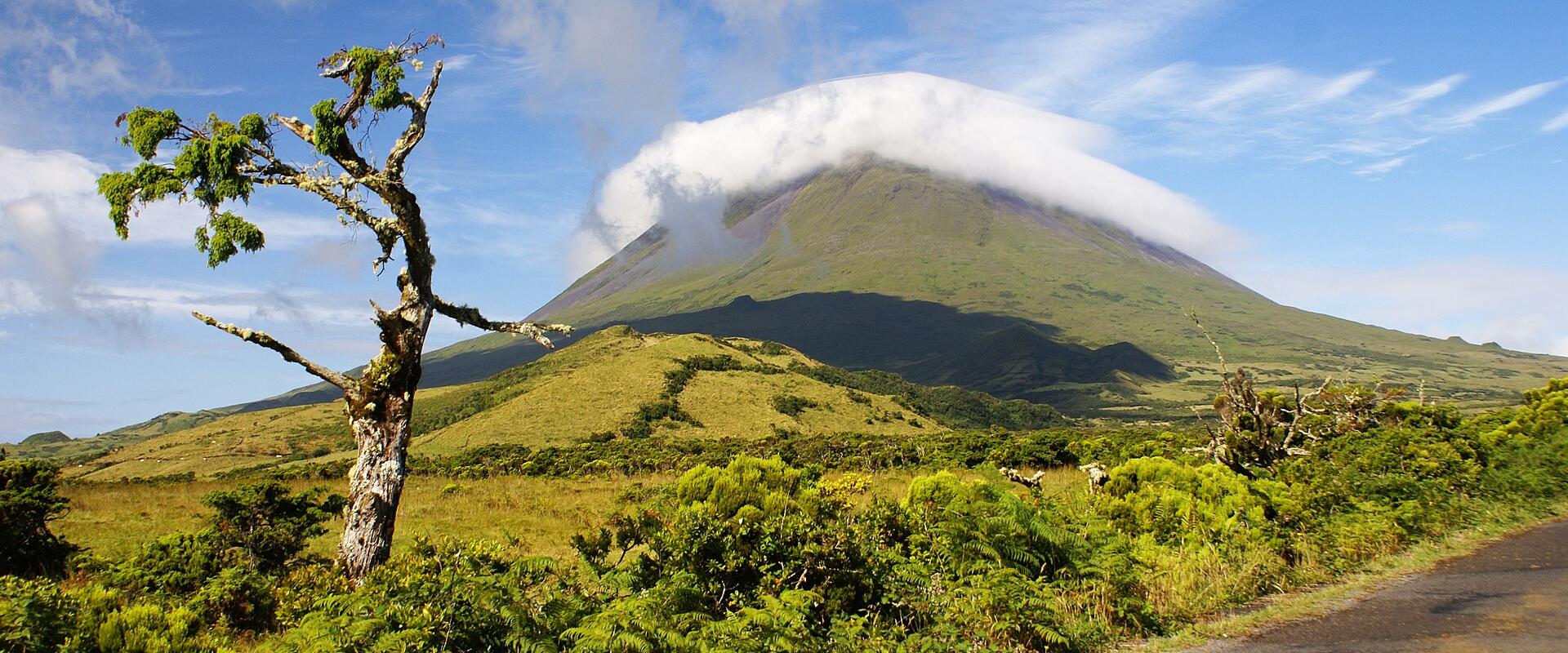
Pico Island, the second largest in the Azores, is a land of volcanic majesty and cultural richness. Its defining feature is Mount Pico, a dormant volcano that rises dramatically above the island and is visible from neighboring Faial and São Jorge. The mountain has long been a symbol of the Azores and a magnet for hikers and climbers, who ascend its slopes for panoramic views across the archipelago. The climb to the summit is challenging but rewarding, with sunrise and sunset hikes offering unforgettable experiences. Climbers must register in advance, and the ascent takes several hours on a marked route across rough lava.
Pico’s volcanic origins have shaped its landscapes and traditions. The island’s UNESCO World Heritage vineyards are proof of human ingenuity, with stone walls (currais) built from black lava rock to protect vines from wind and salt. The Pico Island Vineyard Culture is unique in the world, and visitors can explore the historic Vinhas da Criação Velha, tour wine cellars and sample the island’s renowned Verdelho wines at local adegas (wine lodges). The sweet Verdelho of Pico was once shipped to the courts of Europe, including that of the Russian tsars, and the revival of the island’s wine industry has brought new vineyards and estates.
The island’s connection to the sea is equally strong. Pico was once a center of the Azorean whaling industry, and its history is preserved in the Whaling Museum in Lajes do Pico and the Whalers’ Museum in São Roque. Whales were hunted from small open boats until the 1980s. Today, Pico is one of the best places in the Azores for whale and dolphin watching, with boat tours departing from Madalena and Lajes do Pico to spot sperm whales, blue whales and playful dolphins in the surrounding waters.
Nature lovers will find plenty to explore beyond the mountain. The Gruta das Torres, the longest lava tube in Portugal, offers guided tours through underground volcanic tunnels. The island’s forests, crater lakes and coastal trails are ideal for hiking, birdwatching and photography. The São João Forest Reserve and the Lagoa do Capitão are popular spots for picnics and scenic walks. Along the coast, black lava rock forms natural swimming pools at several places, and Areia Larga offers a sheltered place to swim.
Pico’s villages are charming and authentic, with whitewashed houses, basalt churches and friendly locals. Madalena, the island’s main town, is a lively hub with restaurants, shops and ferry connections to Faial, only a short crossing away. The island’s gastronomy features fresh seafood, local cheeses and traditional dishes such as octopus stew and limpets, often accompanied by a glass of local wine.
Getting to Pico is easy, with direct flights from Lisbon and other Azorean islands to Pico Airport. Ferries connect Pico to Faial and São Jorge, making island-hopping convenient. Car rentals are recommended for exploring the island’s diverse landscapes and remote attractions.
The best time to visit Pico is from May to October, when the weather is mild, the vineyards are lush and whale watching is at its peak. Summer brings festivals and lively events, while spring and autumn offer quieter trails and blooming wildflowers. The island’s weather can be changeable, so visitors should come prepared for sun, rain and mist in a single day. For climbing Mount Pico, tasting volcanic wines or watching whales breach offshore, Pico promises an unforgettable Azorean adventure.
Best time to visit
May to October offers mild weather, lush vineyards, and optimal conditions for hiking, whale watching, and exploring Pico’s volcanic landscapes.
What to see in Pico
Our picks first.
Areia Larga
Historic coastal village in Pico, Azores
Beaches
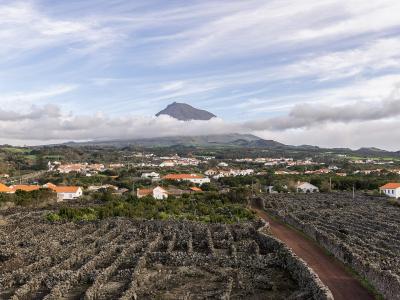
UNESCO-listed Vineyards Of Pico Island
Vineyards on black lava rock in Azores, Portugal
Cultural Experiences · Food & Gastronomy
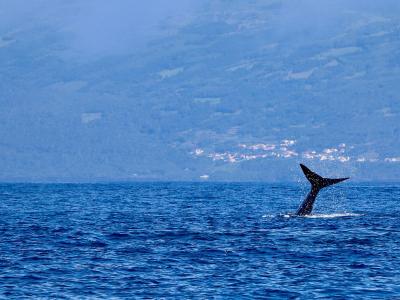
Whale Watching
Sperm whale watching with Azorean researchers
Boat Tours · Water Sports
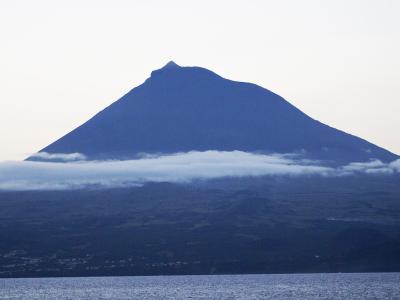
Pico Mountain (Pico Do Pico)
Portugal's highest peak at 2,351 meters
Activities & Adventure · Natural Wonders
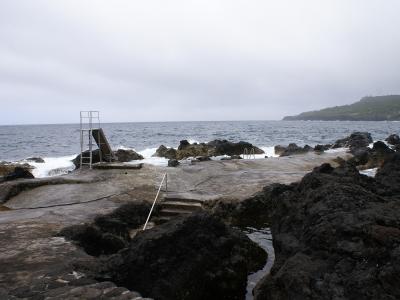
Wild Natural Pools / Lava Pools
Natural volcanic lava pools on Pico, Azores
Free Natural Wonders · Hiking Trails
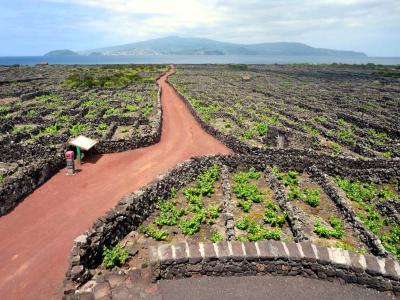
Lava Vineyards Of Pico Island
UNESCO-listed volcanic vineyards in Pico, Azores
Food & Gastronomy · History & Heritage
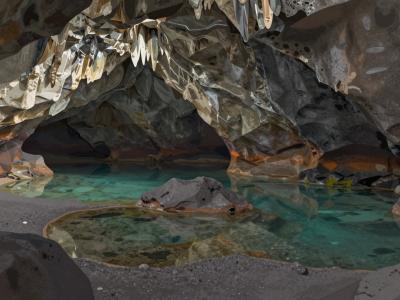
Lava Caves (Grutas De Lava)
Portugal's largest lava tube in Pico
Cave Exploring · Guided Tours

Madalena
Wine museum in Madalena, Pico
Cultural Experiences · Food & Gastronomy
Pico by interest
The same sights, grouped by what you came for.
Did you know?
Checked facts about Pico, each with its source.
-
History
Pico's First Settler Founded Lajes Around 1460
Fernão Álvares Evangelho is recorded as the first settler of Pico island, around 1460, and as the founder of the original settlement of Lajes do Pico. The stream near which he settled is still called Ribeira de Fernão Álvares.
Source: Câmara Municipal das Lajes do Pico (date: azoren-online.info)
Planning a visit to Pico
Itineraries that include Pico
Good to know
- Currency
- EUR
- Language
- Portuguese
Quick Facts
Book your stay
Questions people ask
More places in Azores
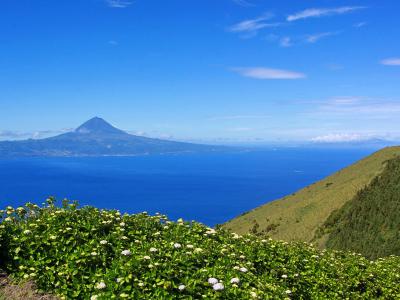
Azores
Açores
Volcanic Atlantic archipelago with lakes, hot springs, and whale watching
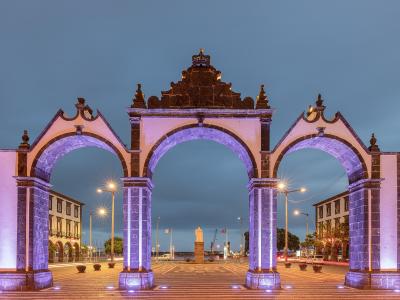
Azores
São Miguel
Volcanic island with crater lakes, hot springs, and lush scenery
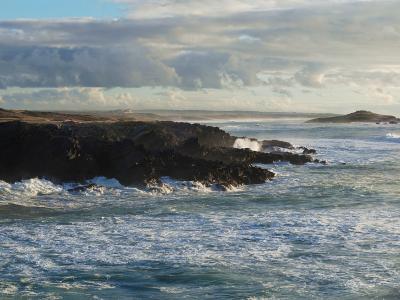
Azores
São Miguel Island
Volcanic island with crater lakes, hot springs, and lush scenery
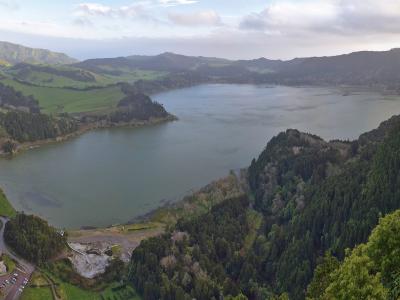
Azores
Lagoa das Furnas
Volcanic crater lake with fumaroles and geothermal cuisine