


Aveiro Canal System (Canal De Aveiro)
Historic waterways through central Aveiro
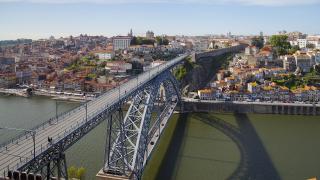
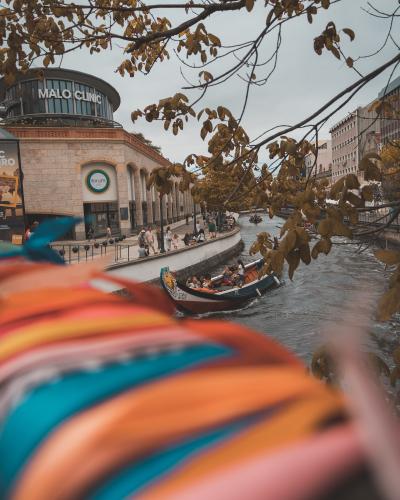
Aveiro sits on the edge of a coastal lagoon, the Ria de Aveiro, and its canals are the reason the town is often compared to Venice. The comparison is generous, since Aveiro is much smaller and more modest, but it is easy to see why it has stuck: a handful of broad canals cut through the town centre, spanned by small bridges and lined with pastel-coloured houses, cafes and Art Nouveau facades. The water is part of everyday life here, and it shaped the town's economy for centuries.
The boats that carry visitors through the canals are called moliceiros, and they are the town's symbol. They were originally working vessels, used to collect moliço, a type of seaweed and water plants from the lagoon, which farmers spread on the sandy fields as fertiliser. The boats have a long, narrow hull, a sharply curved prow and a flat bottom suited to the shallow water. They are painted in bright colours, and the bow and stern carry painted panels that often show humorous scenes or captions, sometimes quite cheeky. When the seaweed trade declined, the boats were adapted for tourism, and they are now the main way to see the canals from the water. A typical tour lasts a short time, passing the fish market, the central canal and the main bridges, and some operators offer longer trips into the lagoon.
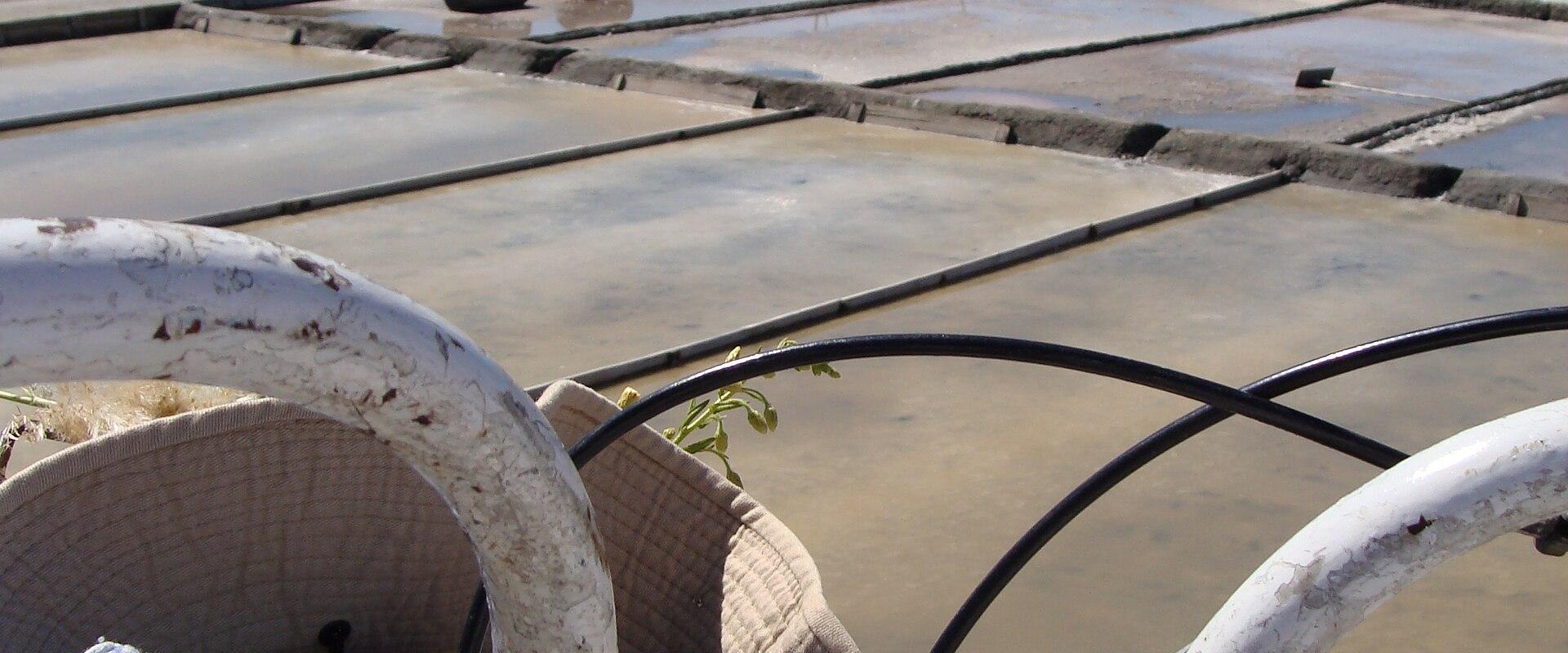
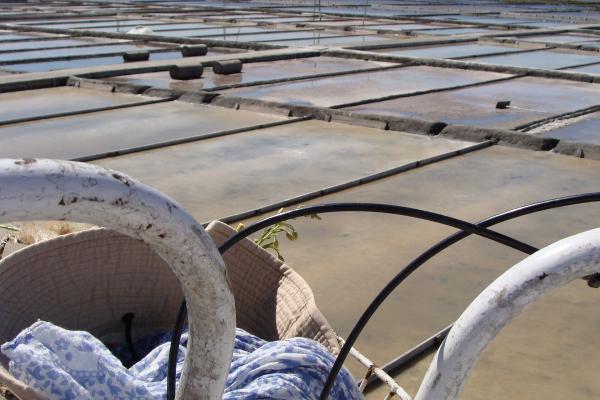
The lagoon itself is the real natural treasure. It is a maze of channels, mudflats, islands and salt pans, and it is home to a great variety of wading birds. Salt production has been part of the region's economy since the Middle Ages, and a few salt pans are still worked, with white pyramids of salt visible in summer. On the sandy spit between the lagoon and the sea, the village of Costa Nova is known for its striped wooden houses, painted in bold bands of colour, which have become a postcard image of the region.
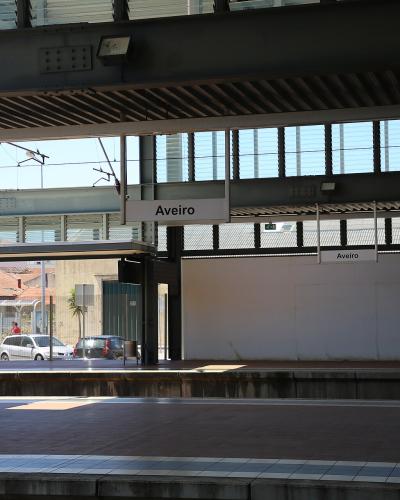
On land, plenty of attractions lie within walking distance of the canals. The railway station is lined with blue azulejo panels showing local scenes, and the Art Nouveau buildings near the central canal are among the best in Portugal. Aveiro is also famous for its sweet ovos moles, delicate egg-yolk confections sold in painted wooden barrels or shell-shaped wafers, and Confeitaria Peixinho is among the best-known places to buy them. Free bicycles are available in the town, which makes it easy to get around the flat streets.
The best time to take a boat is in the morning or late afternoon, when the light is soft and the crowds are thinner. Weather in the region can be windy and cool, so bring a jacket even in summer. The canal ride suits families, couples and anyone who wants a quick, charming introduction to the town, and the lagoon excursions are good for those with more time.
Categories
More photos coming soon
Nearby Attractions
Other places to visit in Aveiro

Frequently Asked Questions
Quick Facts
Best Time to Visit
Late spring to early autumn (May–September) offers warm weather, ideal for canal cruises, beaches, and exploring Aveiro’s outdoor attractions.