
Aveiro
Canal city with Art Nouveau, moliceiro boats, and salt pans
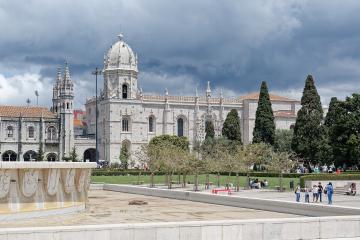
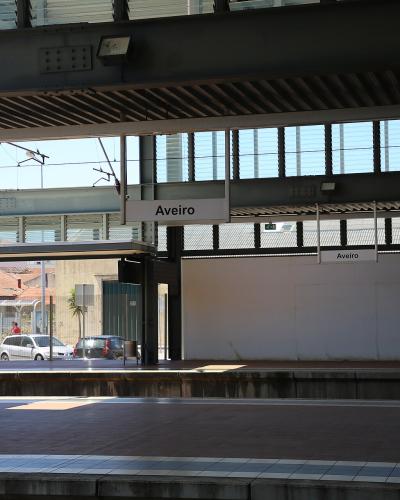
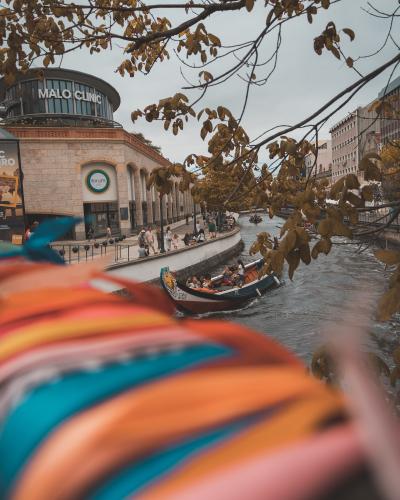
Aveiro’s story is deeply connected to water. Founded as a fishing and salt-producing settlement, the city flourished thanks to its strategic location on the Ria de Aveiro lagoon and its network of canals. In the sixteenth century a storm closed the entrance to the lagoon and the harbor declined, until a new channel to the sea was opened in the nineteenth century, which revived the city’s fortunes. The moliceiro boats, once used to harvest seaweed for fertilizer, now glide through the city’s waterways, offering visitors a unique perspective on Aveiro’s colorful facades and lively quays. The city’s Art Nouveau heritage is evident in its ornate buildings, many of which are adorned with intricate tiles and wrought-iron balconies, and a museum dedicated to the style is housed in one of them. The Aveiro Museum, housed in the former Convent of Jesus, showcases the city’s religious and artistic history, including the tomb of Princess Joana, while the train station’s azulejo panels tell the story of Aveiro’s maritime past.
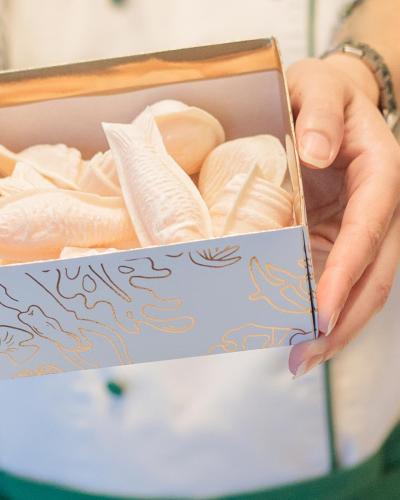
A stroll through the historic center reveals a vibrant mix of shops, cafes and markets. The Mercado do Peixe (Fish Market) is a hub of local life, where fresh catches and regional delicacies are sold daily. Aveiro’s signature sweet, ovos moles, can be sampled at traditional pastry shops throughout the city; these small egg-yolk sweets are packed in wafer shells shaped like shells and fish. The canals are lined with inviting promenades, suited to walking or cycling, and several bridges offer picturesque views of the cityscape. Pastry shops such as Confeitaria Peixinho have been selling the city’s sweets for generations, and eel stew is a traditional savory dish of the lagoon.
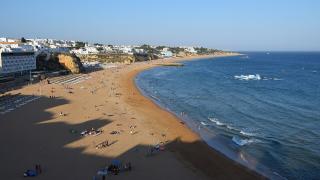
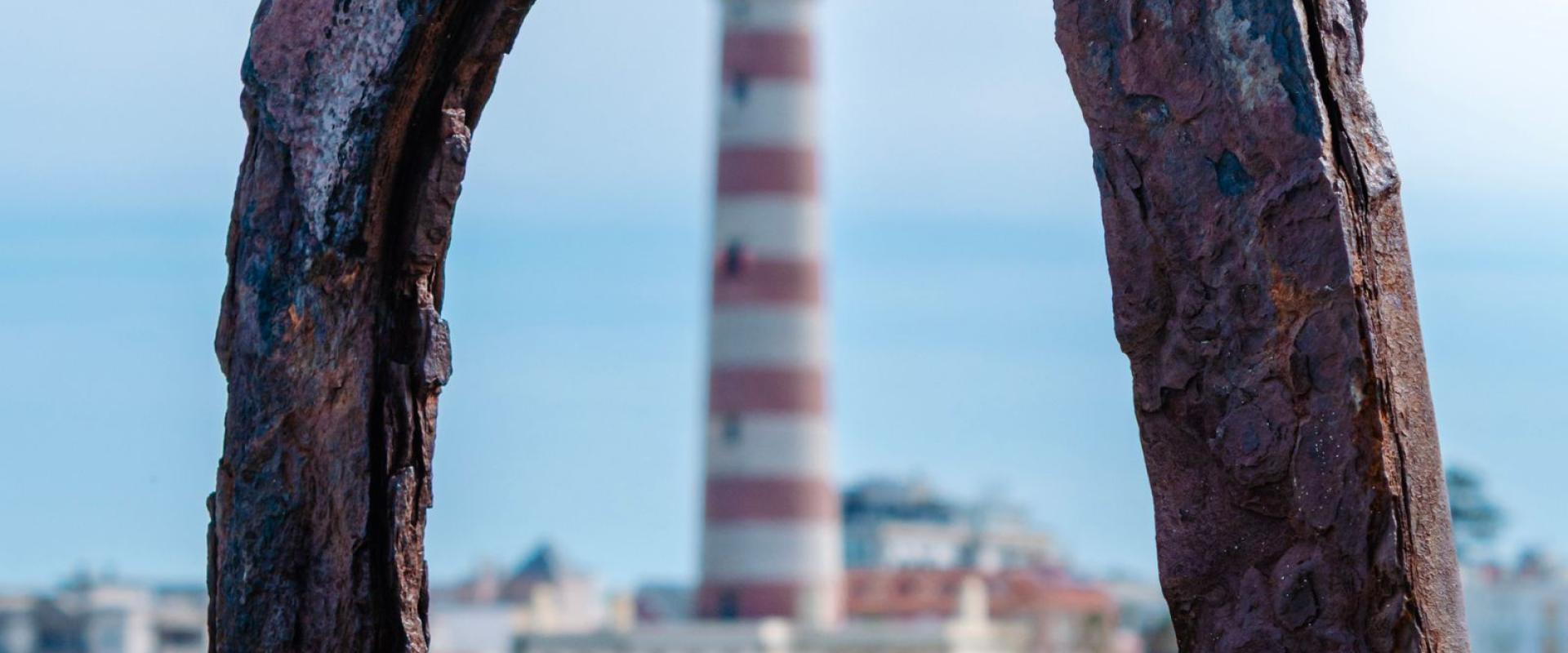
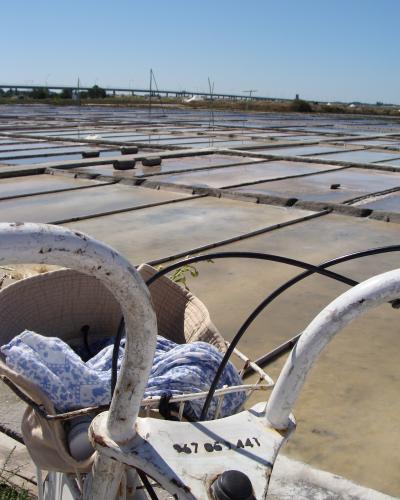
Just outside the city, the Costa Nova beach is famous for its candy-striped wooden houses and wide sandy shore. This area is popular for swimming, windsurfing and enjoying fresh seafood at beachfront restaurants. The striped houses were once fishermen’s huts and are now holiday homes. The salt pans of Aveiro, still in operation today, provide a fascinating glimpse into the city’s traditional industries and are home to a variety of birdlife, including flamingos and herons. Guided tours and birdwatching excursions are available for nature enthusiasts. Nearby, the lighthouse at Barra is the tallest in Portugal.
Aveiro is also a gateway to the São Jacinto Dunes Nature Reserve, a protected area of sand dunes, forests and wetlands that offers hiking trails and opportunities for wildlife observation. The city’s cultural calendar is filled with festivals, regattas and open-air concerts, adding to its lively and welcoming atmosphere.
Getting to Aveiro is easy, with frequent trains from Porto (about 1 hour) and Lisbon (about 2.5 hours), as well as good road connections. The city is compact and walkable, with bike rentals and boat tours readily available; in the city center, free bicycles are often offered to visitors. Accommodation ranges from boutique hotels in historic buildings to modern apartments and beachside guesthouses.
The best time to visit Aveiro is from late spring to early autumn (May to September), when the weather is warm and well suited to canal cruises, beach trips and exploring the city’s outdoor attractions. Spring and early autumn offer pleasant temperatures and fewer crowds, while summer brings lively events and long, sunny days. For canals, cuisine and coastal scenery, Aveiro promises a memorable and multifaceted Portuguese experience.
Best Time to Visit
Late spring to early autumn (May–September) offers warm weather, ideal for canal cruises, beaches, and exploring Aveiro’s outdoor attractions.
Did you know?
Interesting, verified facts about Aveiro
Aveiro's Nun-Made Sweet Won EU Protected Status in 2009
HistoryAveiro's signature pastry, ovos moles — a silky blend of egg yolk and sugar sealed inside thin wafer shells shaped like clams, cockles, fish and little barrels — was granted Protected Geographical Indication status by the European Union in 2009, the first Portuguese confectionery product to earn the distinction. The recipe was born in the city's convents, notably the Mosteiro de Jesus, which received a royal grant of Madeira sugar for its confectionery as far back as 1502. According to local tradition, the nuns used egg whites to starch their habits and turned the leftover yolks into sweets rather than waste them. Thanks to the PGI, authentic Ovos Moles de Aveiro can only be made in the Aveiro region — so eating one here means tasting the real thing.
Source: WikipediaAveiro Has a Second Local Claim
HistorySituated on the edge of a vast lagoon, Aveiro blends maritime heritage with a lively urban atmosphere, offering visitors a unique mix of history, culture, and natural beauty.
Source: Aveiro, Portugal - WikipediaPlan Your Visit to Aveiro
Essential travel tips and information for your trip to Aveiro.
Suggested Itineraries
Travel Tips
Currency
EUR • Cards widely accepted
Language
Portuguese • English in tourist areas
WiFi
Free WiFi in cafes and hotels
Explore Aveiro by Interest
Discover attractions and experiences in Aveiro organized by your interests and travel preferences.


All attractions in Aveiro
Sorted by our recommendation score
Quick Facts
Book your stay
Frequently Asked Questions
More destinations in Beira
Explore other amazing places in the Beira region