Faial Island (Azores)
Volcanic landscapes and vibrant marine life
Faial is one of the nine islands of the Azores, a green volcanic island in the central group that has spent its history as a stopover in the Atlantic. Its main town, Horta, grew up around a sheltered harbour that sailors have used for centuries, and the marina is still one of the best-known mid-Atlantic stops for yachts crossing between Europe and the Americas. The island's modest size means you can see most of it in a few days, which suits a relaxed stay.
Getting there is simple. Horta Airport (HOR) receives flights from Lisbon, and there are inter-island connections through Terceira (Lajes Airport) and São Miguel (Ponta Delgada Airport) operated by SATA Air Açores. Pico Airport is also on the neighbouring island and the two islands face each other across a narrow channel, with a short ferry crossing between Horta and Madalena on Pico. The ferries are run by Atlânticoline, and timetables change with the season, so check before you plan. Once on Faial, a rental car or a taxi is the usual way around, though the main sights are not far apart.
Horta itself is the first stop. The marina walls are covered in paintings left by visiting crews, a long-standing tradition that sailors believe brings good luck for the next leg of the voyage. The famous Peter Café Sport, a bar and meeting place for yachting people, sits just across from the harbour. From the town, a short drive or walk leads to the Monte da Guia headland and the sheltered Porto Pim bay.
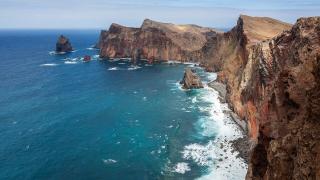
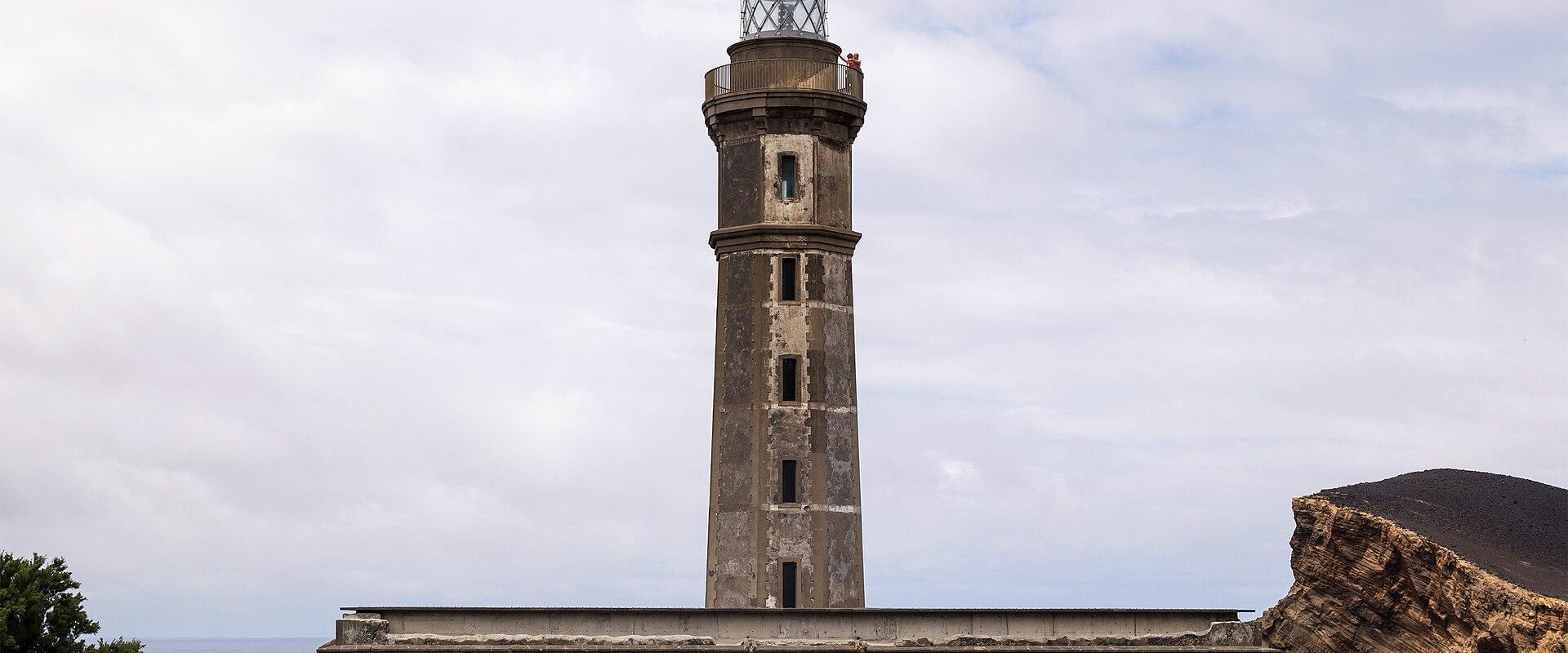
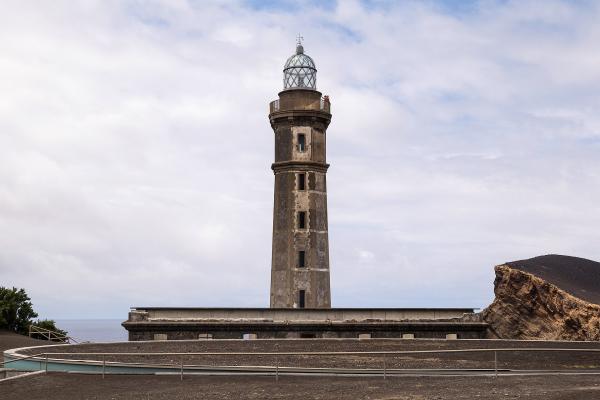
The volcanic side of Faial is its most memorable feature. At the centre of the island, the Caldeira is a vast crater, roughly two kilometres across and several hundred metres deep, ringed by a rim path with views over fields and cloud forest. At the western tip, the Capelinhos volcano erupted from the sea in 1957 and 1958, adding new land to the island and burying a lighthouse partly under ash. Today, the site has a museum and a stark black and rust landscape that feels like another planet.
Faial is best known for its hydrangeas, which line the roads and fields in summer and give the island its nickname, the Blue Island. Pico, across the water, offers a view of the mountain that rises to nearly 2,350 metres and is often capped with cloud. Faial suits hikers, sailors, divers and anyone who wants an unhurried island that has kept its maritime character. Whale and dolphin watching trips leave from Horta in season.
Categories
More photos coming soon
Nearby Attractions
Other places to visit in Açores

Frequently Asked Questions
Quick Facts
Best Time to Visit
Late spring to early autumn (May–October) offers mild weather, lush scenery, and optimal conditions for hiking, whale watching, and exploring the Açores.