Boca Do Inferno
Dramatic sea chasm where Atlantic waves crash
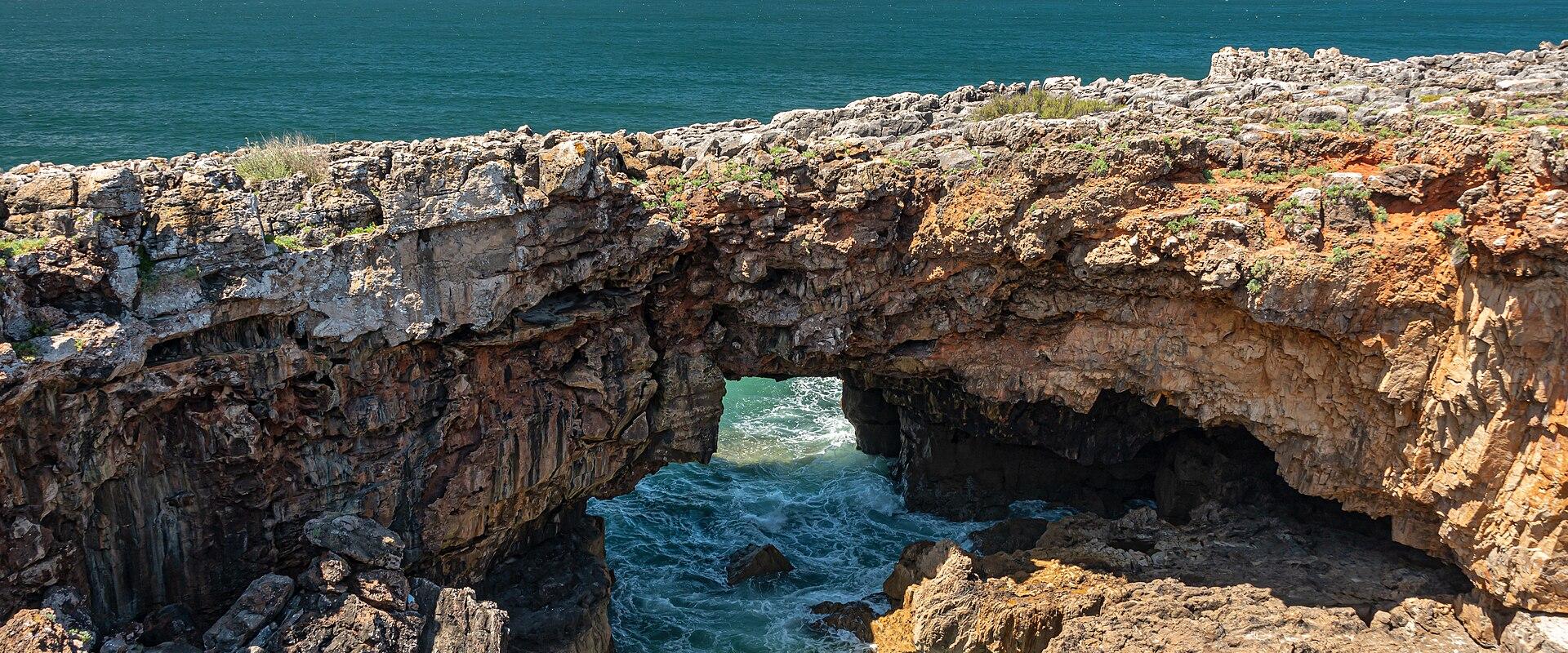
The Boca do Inferno, the Mouth of Hell, is a chasm in the limestone cliffs on the coast just west of Cascais, and it is the best-known natural sight in the town. It is a short walk along the seafront from the centre, and you reach it by a path along the cliffs from the Cidadela and the Marechal Carmona Park. The site is open to everyone and free, and a viewing platform and railings keep visitors at a safe distance.
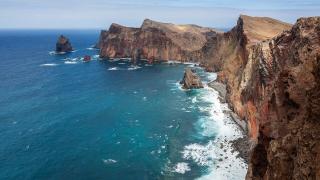
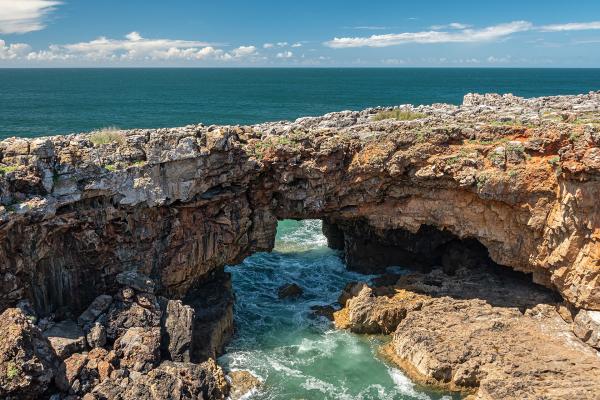
The chasm formed when the sea gradually hollowed out the cliff, creating a cave whose roof later collapsed and left a deep open pit connected to the ocean by an arch. When the Atlantic swell is strong, waves are driven into the opening and burst upward with a boom, throwing spray high into the air. The name comes from the noise and the violence of the water. The effect varies a great deal with the weather and the tide: on a calm summer day the sea is quiet and the place looks almost peaceful, while in winter storms the scene is dramatic and spray can reach the viewing area.
The setting has a few good stories. In 1930 the English occultist Aleister Crowley staged his own disappearance here, leaving a note by the cliff suggesting he had thrown himself in, with the help of his friend, the Portuguese poet Fernando Pessoa. He reappeared later in Germany, which has become one of the most entertaining footnotes to the site's history. The wild rocks and the cliffs have long drawn painters and photographers.
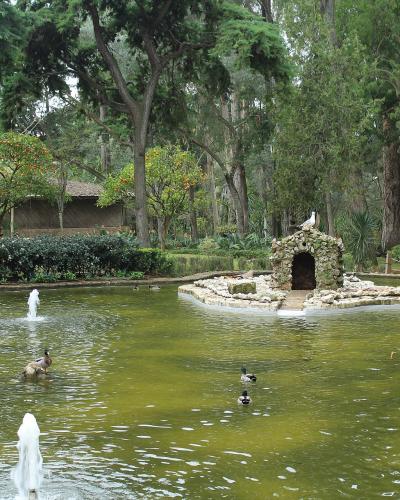
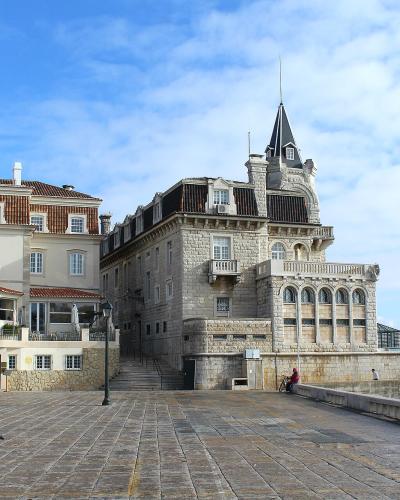
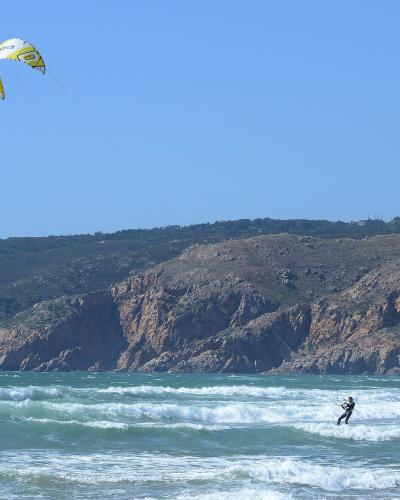
Around the platform, there is a small handicraft market, and a restaurant called Mar do Inferno is nearby for seafood. Most visits take about 20 minutes, which makes the site easy to combine with other stops along the coast. The Condes de Castro Guimarães museum, a mock-medieval villa in the park near the town centre, is close to the start of the walk, and the Santa Marta lighthouse, a small blue and white lighthouse at the edge of the town, makes another stop. Farther along the coast, the wide beach at Guincho is popular with surfers and windsurfers.
For the best light, come at sunset, when the cliffs glow orange and the waves are backlit. Wear shoes with grip, since the rocks can be slippery, and stay behind the barriers, as every few years people are swept off cliffs on this coast by waves that look further away than they are. The attraction suits families, photographers and anyone with a short time to spare in Cascais. It can be busy in summer, when tour buses arrive, so an early morning or late afternoon visit is more peaceful.
More photos coming soon
Nearby Attractions
Other places to visit in Cascais
Frequently Asked Questions
Quick Facts
Best Time to Visit
April to October offers warm, sunny weather ideal for beaches and sightseeing; May-June and September-October are especially pleasant and less crowded.