
Condes De Castro Villa
1902 eclectic palace housing Indo-Portuguese art
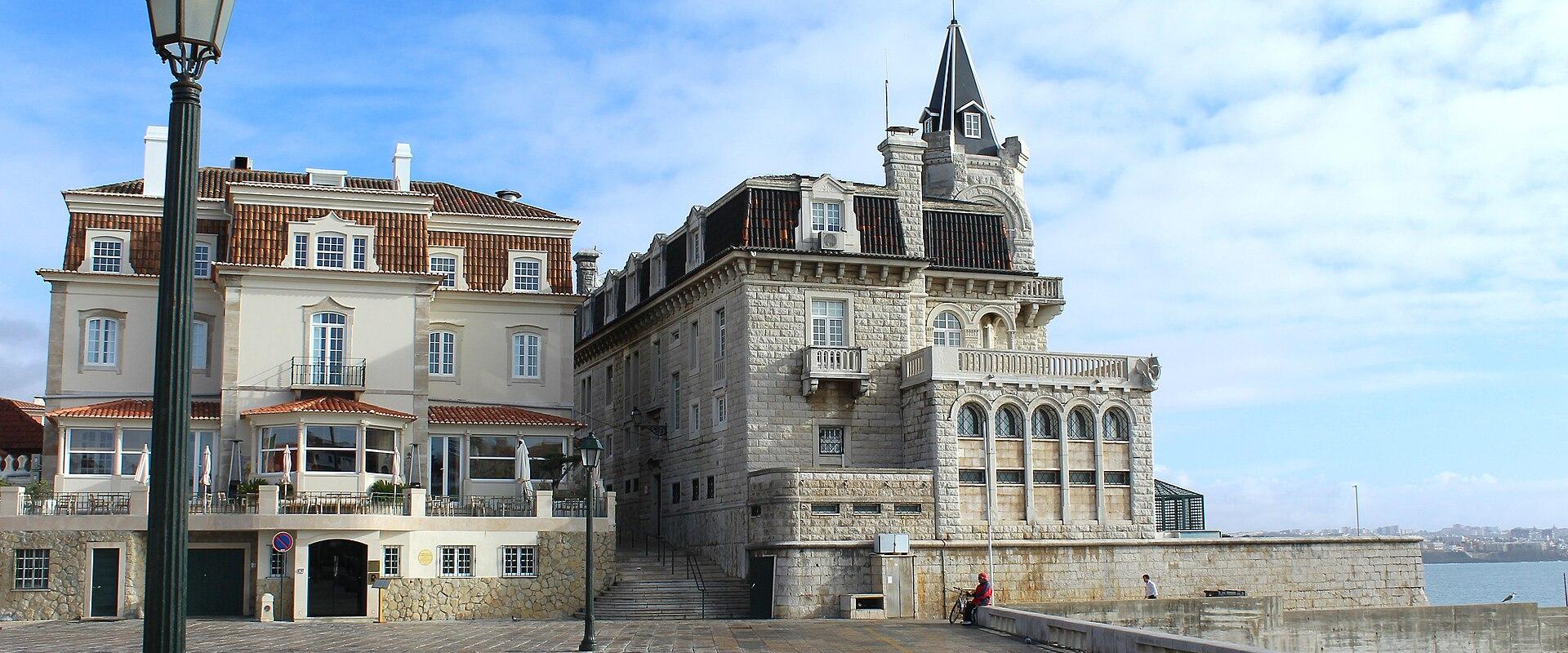
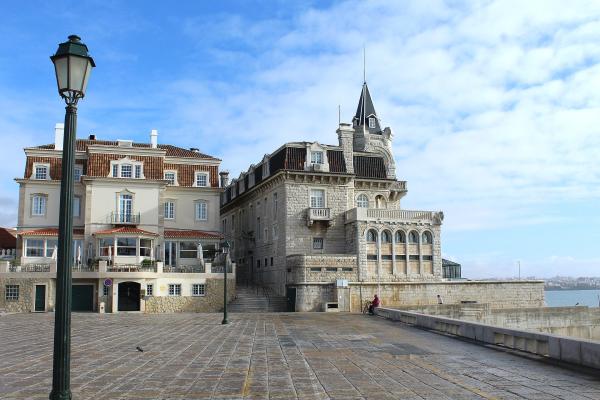
The Condes de Castro Guimarães Museum occupies one of the most unusual buildings in Cascais, a turreted, battlemented villa on a rocky point beside the sea, near the marina and the entrance to the Marechal Carmona Park. Locals know it as the Tower of São Sebastião, and its eclectic design, which mixes Gothic towers, classical details and touches of Moorish and oriental style, makes it look more like a miniature castle than a family home. It was built around 1900 for Jorge O'Neill, a wealthy businessman of Irish descent, as a summer residence in the days when Cascais was becoming the fashionable seaside resort of the Portuguese court and aristocracy.
The villa passed through several owners. In the 1920s, it was bought by the Count of Castro Guimarães, a collector and bibliophile, who filled it with artworks, furniture and books. After his death, he left the property, with its collections, to the town of Cascais, and the museum has been open to the public since 1951. It gives visitors a chance to see inside a seaside house of the period, with its original rooms and fittings.
Inside, the collection reflects the count's tastes. There is Indo-Portuguese furniture, made in the colonies from tropical wood and inlaid with ivory and mother of pearl, Chinese and Japanese porcelain brought by Portuguese traders, silver, jewellery, tapestries and paintings. The villa's library is a prize, and its most famous treasure is an illuminated manuscript of the Chronicle of Afonso Henriques, from the early 16th century, which contains what is considered one of the earliest views of Lisbon. The pages show the city with its walls, towers and the Tagus, a precious document for historians. Some of the rooms are decorated with painted ceilings and tiles, and the sea views from the windows add to the effect.
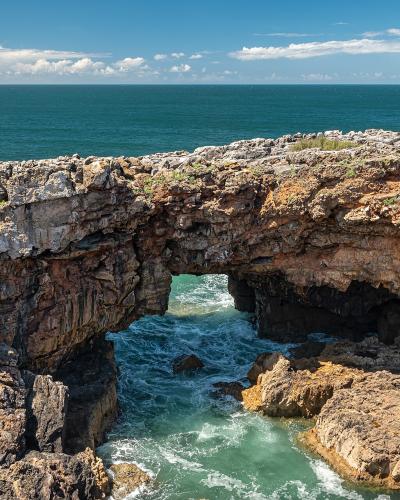
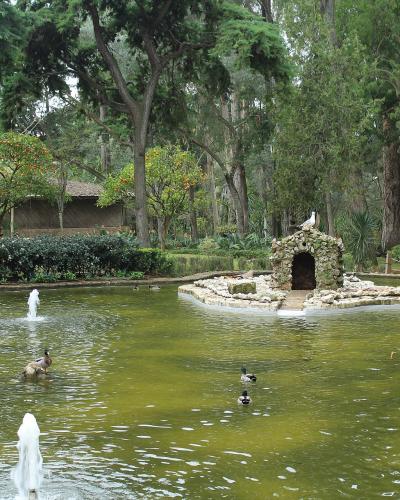
The museum is small, and a visit takes a short time, though it is worth lingering over the details. It is generally closed on Mondays, and hours are split by a midday break, so check before going. Admission has been free, though this can change. Next to it, the Marechal Carmona Park offers shady paths, ponds, peacocks and a small zoo-like area, and the walk from the park to the seafront takes only a few minutes. The famous Boca do Inferno cliffs lie a short stroll along the coast, and the town centre with its fish market, beaches and pedestrian streets is also close.
Cascais is easily reached by train from Lisbon, and the museum fits well into a day in town. The villa suits anyone interested in decorative arts, history and architecture, and it is a good choice for a rainy day, offering a glimpse of the elegant life of the early 20th-century coast.
Categories
More photos coming soon
Hours & Fees
Hours
Daily 10:00-13:00 and 14:00-18:00 (or 17:00); Closed Mondays
Admission
Free admission
Nearby Attractions
Other places to visit in Cascais
Frequently Asked Questions
Quick Facts
Best Time to Visit
April to October offers warm, sunny weather ideal for beaches and sightseeing; May-June and September-October are especially pleasant and less crowded.