
Castelo De São Jorge
Medieval citadel with panoramic Lisbon views
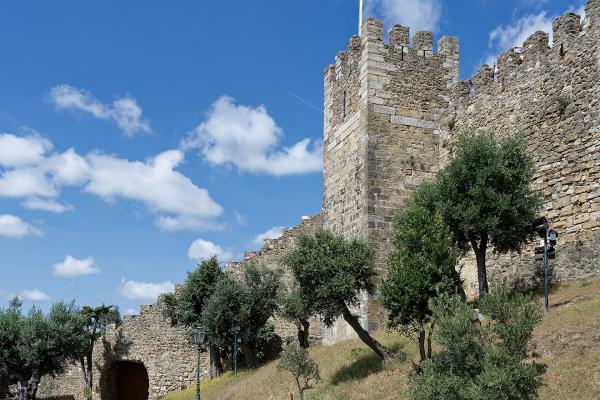
The Castelo de São Jorge crowns the hill above Alfama and the Baixa and looks over the whole of Lisbon, the river Tagus, and the bridges beyond. The hill has been fortified for a very long time, with signs of settlement from the Iron Age, and the Phoenicians, Romans, and Visigoths are all thought to have used the site. The main fortress was built in the Muslim period, in the 11th century, as the citadel of the town of al-Ushbuna. In 1147, after a siege of about four months by Afonso Henriques with the help of northern European crusaders, Lisbon was taken, and the castle passed to the Portuguese crown.
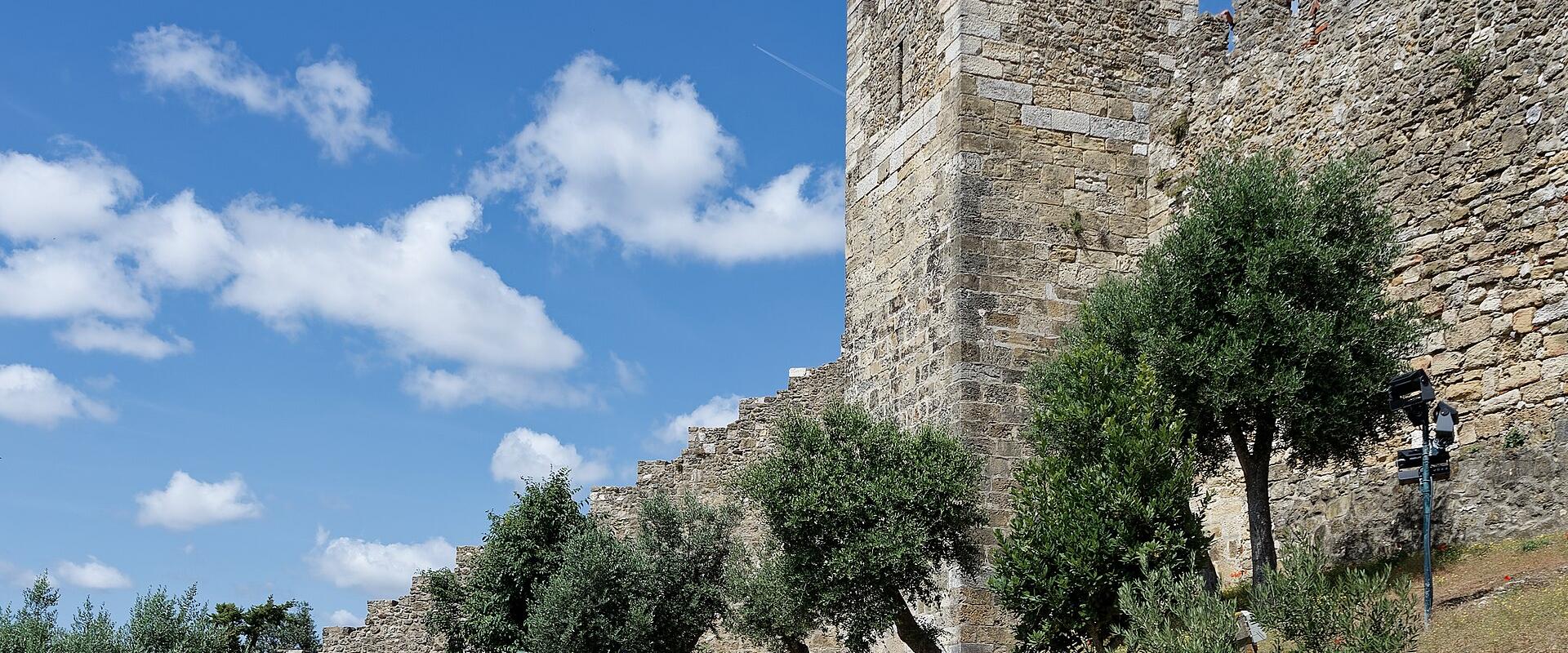
It served for centuries as the royal residence, the Alcáçova, and remained the kings' palace until Manuel I built a new palace by the river in the early 16th century. The name São Jorge, Saint George, is linked with the alliance between Portugal and England, as George was the patron saint of English troops. The castle was damaged in the earthquake of 1755 and later used as a barracks and prison, and much of what visitors see today comes from a major restoration in the 1930s and 1940s, which rebuilt walls and towers.
The layout is a quadrangle with about ten square towers linked by walls, a fortified barbican, and an angled gateway to slow attackers. Visitors can walk along the ramparts, climb to the towers, and cross terraces shaded by pines and olive trees, where peacocks wander. A remarkable feature is the Torre de Ulisses, whose camera obscura projects a live panorama of the city onto a screen, a pleasant surprise for those who step inside. An archaeological area within the walls displays remains of homes from the Iron Age to the Islamic period, and a small museum shows finds from the site. The panoramic views of the red roofs, the river, the cathedral, and the 25 de Abril bridge are among the best in the city.
The approach is uphill through the narrow streets of Alfama and the Santa Cruz quarter, or by tram and bus, and the climb is steep, so comfortable shoes are important. The late afternoon is a favourite time, when the sunlight turns warm, though it can be crowded. Opening times and prices change, so check before visiting.
The castle suits history readers, families, and photographers, and combines well with a walk through Alfama.
Categories
More photos coming soon
Nearby Attractions
Other places to visit in Lisbon

Frequently Asked Questions
Quick Facts
Best Time to Visit
March to May and September to October offer warm weather, fewer crowds, and ideal conditions for sightseeing and outdoor activities in Lisbon.