


Museu Bordalo Pinheiro (Lisbon)
Museum of Rafael Bordalo Pinheiro’s graphic art
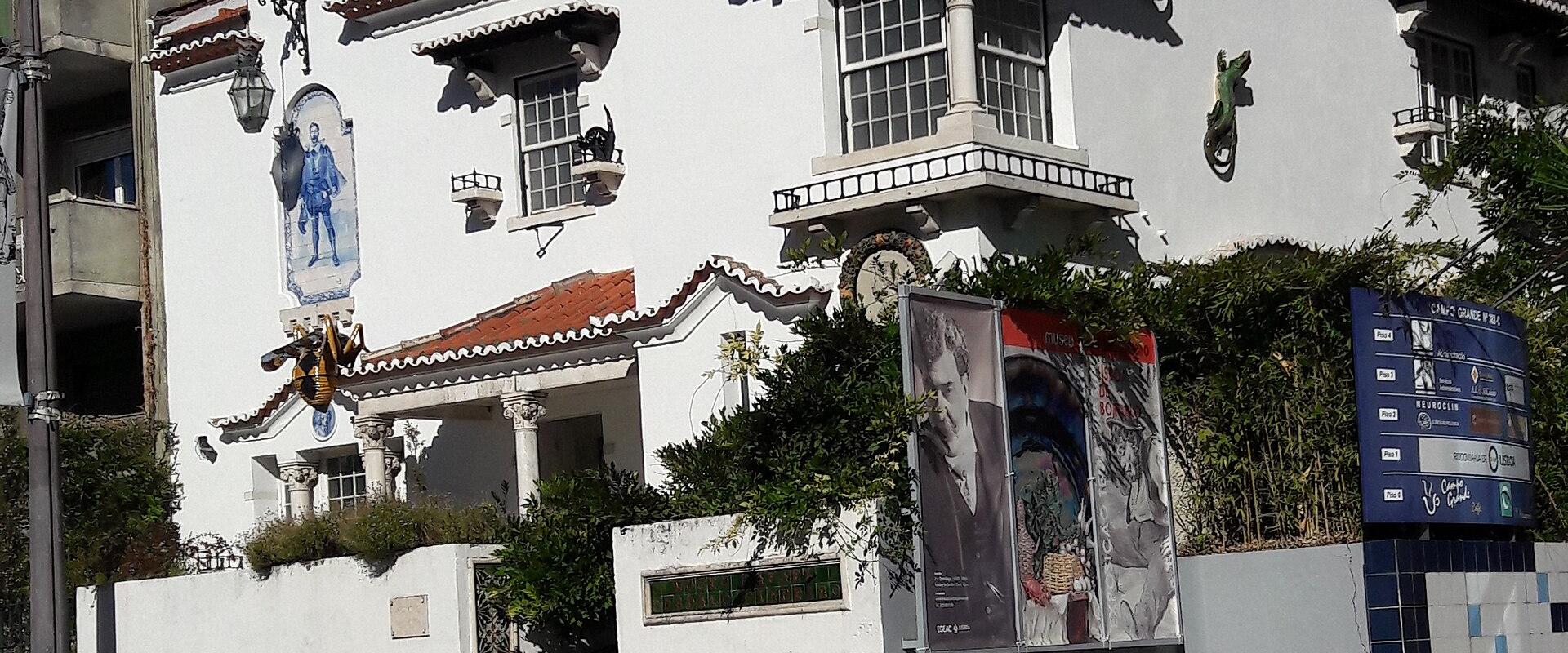
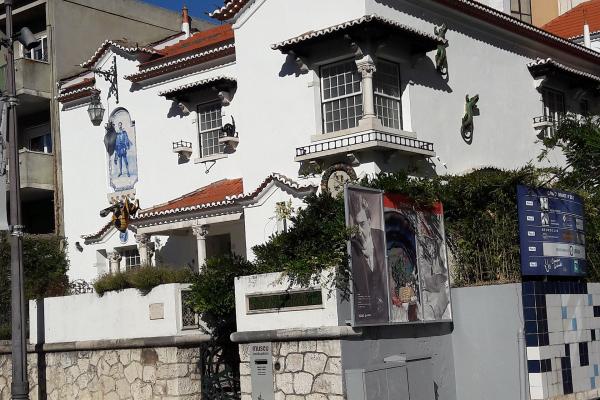
Rafael Bordalo Pinheiro, who lived from 1846 to 1905, was one of the most gifted and popular Portuguese artists of the 19th century, working as a caricaturist, illustrator, journalist, and ceramicist, and the museum that bears his name in Lisbon is the best place to see the range of his talents. It is located north of the city centre, near the gardens of the Campo Grande, in a quiet residential area rather than among the main tourist sights, and it has the feel of a house devoted to one person's imagination.
Bordalo Pinheiro is best known as the creator of Zé Povinho, the figure of the ordinary Portuguese man, with a wide hat, a stick, and a sceptical expression, who first appeared in 1875 in a satirical magazine. Zé Povinho became a national symbol, a humorous embodiment of the common people, who is shown sceptical, put-upon, and often making a rude gesture at those in power. He remains instantly recognisable in Portugal, and the museum has drawings, caricatures, and satirical prints that show how the character appeared in different periods. Bordalo's drawings of politicians, the king, and the clergy were so sharp that they shaped public opinion in his time, and visitors can see why.
The second side of his career was ceramics. In 1884 he founded a faience factory in Caldas da Rainha, north of Lisbon, where he produced a distinctive range of earthenware that combined naturalistic forms with a sense of humour. Plates modelled as cabbage leaves, jugs in the shape of animals, frogs, lizards, and snakes crawling over dishes, and large decorative pieces are among the best-known items, and they have become collector's pieces. The museum displays many of these works alongside sketches, personal items, and documents that give a picture of his life. The factory still operates today and sells designs based on his originals.
The museum is small and intimate, and a visit takes around an hour. It is best for those interested in graphic art, satire, ceramics, and Portuguese social history. Because it lies outside the tourist core, it is reached by metro or bus to the Campo Grande area, and opening times and prices should be checked before going.
It suits art lovers, families with older children who enjoy comic drawing, and anyone looking for a more local side of Lisbon.
Categories
More photos coming soon
Nearby Attractions
Other places to visit in Lisbon
Frequently Asked Questions
Quick Facts
Best Time to Visit
March to May and September to October offer warm weather, fewer crowds, and ideal conditions for sightseeing and outdoor activities in Lisbon.