Castro Marim Castle (Castelo De Castro Marim)
13th-century fortress overlooking the Guadiana River
Castro Marim is a small town in the far east of the Algarve, on a low hill above the salt marshes of the Guadiana estuary, and its castle is a reminder that this quiet corner was once a major frontier fortress and the seat of a powerful military order. The old fortress occupies the summit of the hill, with the white houses of the town below, and from its walls, the view takes in the marshes, the river, the Spanish bank and the planned town of Vila Real de Santo António to the south.
The hill has been fortified since ancient times. Phoenicians, Romans and Moors all used the site, and under Muslim rule, it became a fortified settlement of some importance. The Portuguese took it in the 1240s, in the reign of Afonso III, who strengthened the defences, and in the following reign, King Dinis made it the first headquarters of the Order of Christ. The order was founded in 1319 to take over the properties and mission of the Knights Templar after the Templars were suppressed, and its first seat was at Castro Marim, close to the Spanish frontier and the Muslim threat, before it moved to Tomar. The order later played a leading role in the voyages of discovery under Prince Henry the Navigator, who was its governor, and the Cross of the Order of Christ became the emblem on the sails of the caravels.
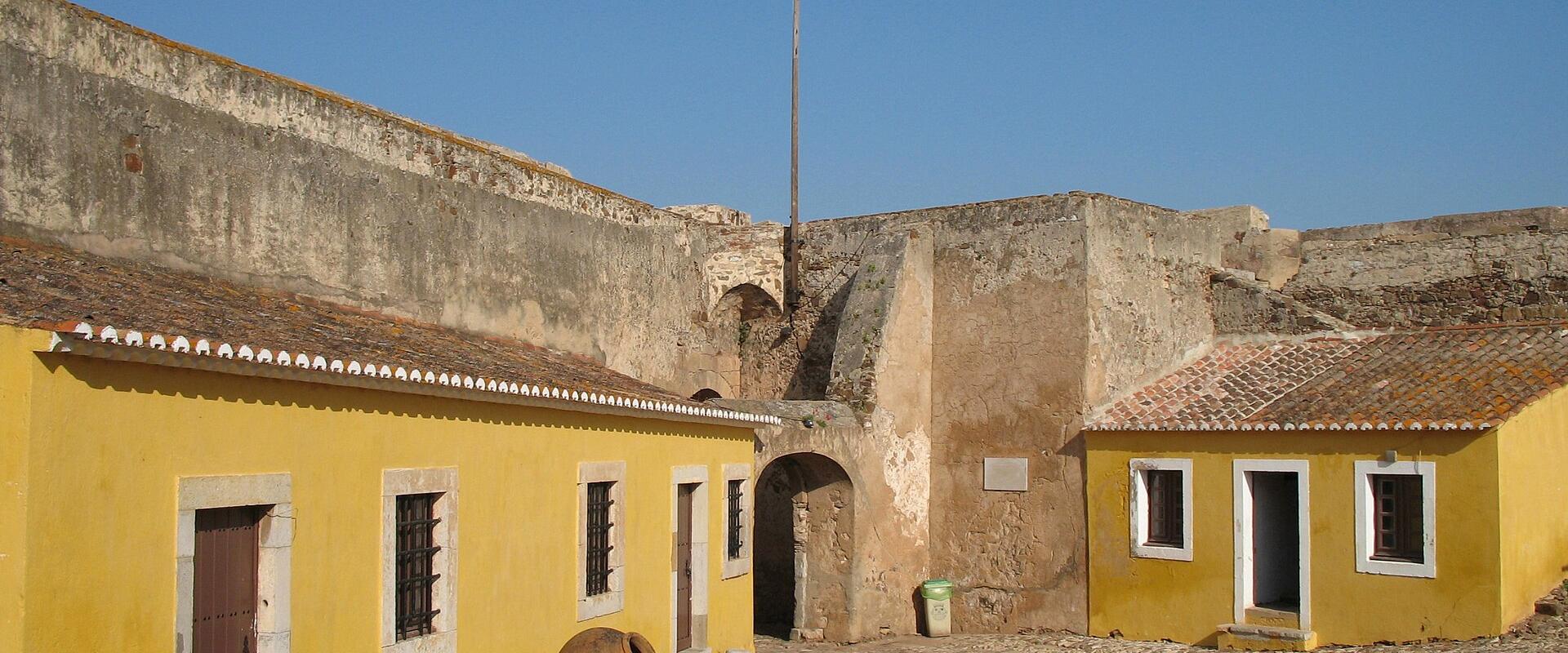
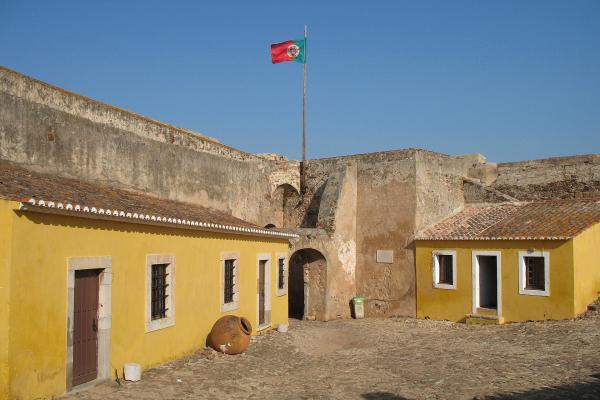
The castle that you see is a double-walled fortress with a series of towers and a gateway, built of local stone, and its interior has a courtyard, the ruins of buildings and a small museum that presents the history of the fortress and the town, with archaeological finds, including objects from the Roman and Islamic periods. Parts of the castle suffered in the earthquake of 1755, and restoration work has been going on for years, so the atmosphere is rustic and unpolished. A climb on the walls brings the best views, particularly toward the salt pans, which glitter in the sun, and across the river. A second fortification, the Fort of São Sebastião, stands on the neighbouring hill, built in the 17th century to defend against Spain, and the two forts face each other across the valley.
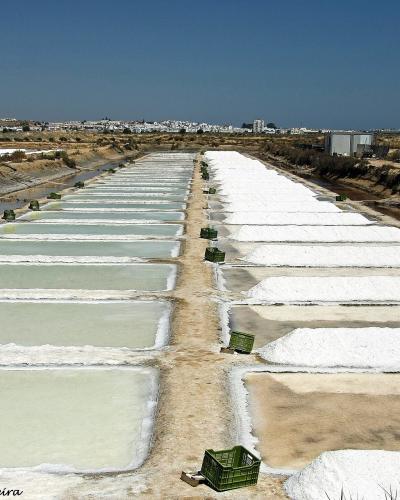
Next to the town, the Sapal nature reserve covers the salt marshes and salt pans of the estuary, one of the most important wetlands in Portugal, where flamingos, spoonbills, avocets and many other waders feed, and where salt is still harvested by traditional methods, including the delicate flor de sal. Trails and observation points allow visitors to explore.
The castle has set opening hours, with a lunch break, and a modest entry fee, so check locally. Allow an hour for the visit and wear sturdy shoes. It suits history lovers, birdwatchers and anyone exploring the quiet eastern end of the Algarve.
Categories
More photos coming soon
Hours & Fees
Hours
Open 09:00–13:00 and 14:00–17:00 (Nov–Mar); 09:30–13:00 and 15:00–18:30 (Apr–Oct)
Admission
€1.10
Nearby Attractions
Other places to visit in Castro Marim
Frequently Asked Questions
Quick Facts
Best Time to Visit
Spring (March-May) and autumn (September-November) offer mild weather, ideal for birdwatching, hiking, and exploring Castro Marim’s castle and salt pans.