Sapal Nature Reserve (Sapal De Castro Marim)
Portugal's oldest nature reserve, 1975
The Sapal de Castro Marim, officially the Reserva Natural do Sapal de Castro Marim e Vila Real de Santo António, protects the salt marshes and tidal flats at the mouth of the Guadiana in the far east of the Algarve. It was created in 1975, which makes it one of the oldest nature reserves in the country, and it was set up mainly to protect the wintering and breeding birds that depend on this kind of habitat. Across the river lies Spain, and the wide flat landscape under a big sky gives the area a character very different from the beaches to the west.
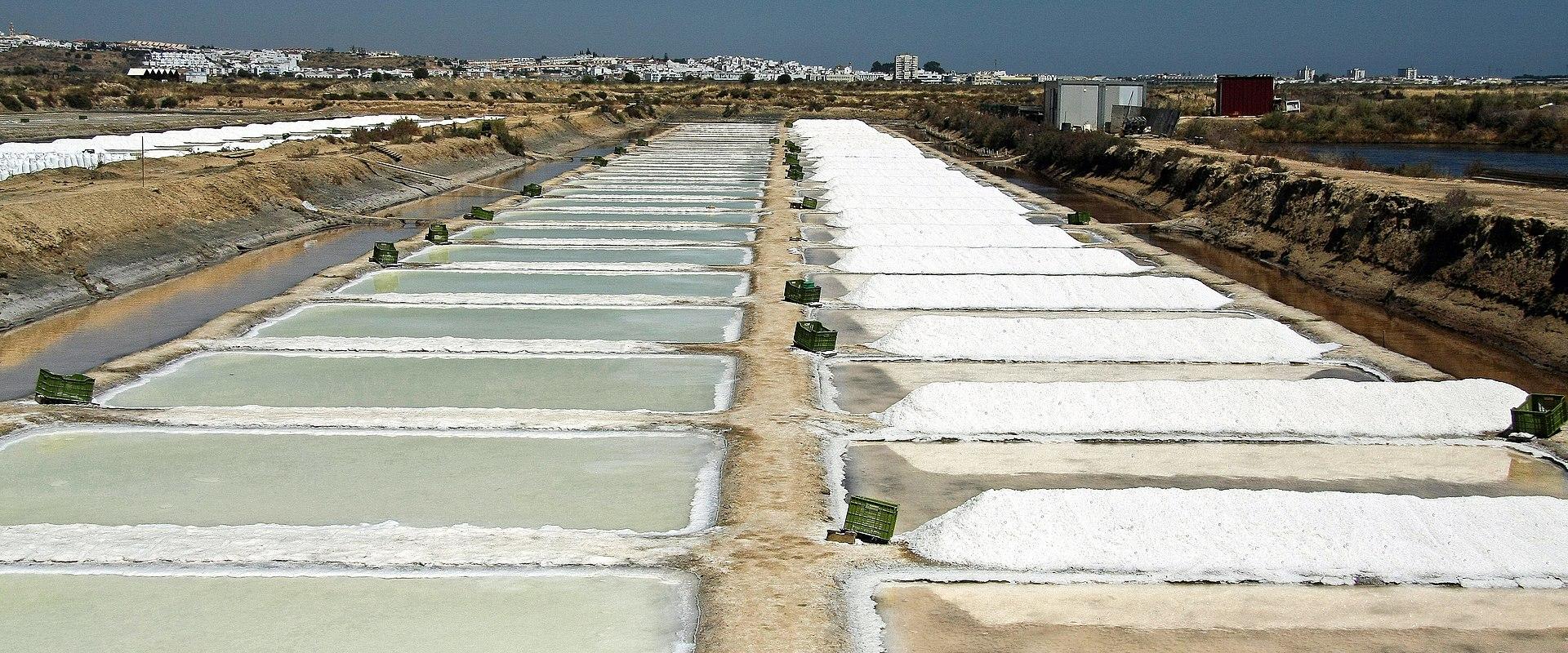
The reserve covers a mosaic of salt pans, mudflats, reedbeds, and low scrub. The salt pans, still partly worked for traditional salt and fleur de sel, form a geometric pattern of shallow pools, which turn pink, grey, or silver depending on light and salinity. These shallow waters are a feeding ground for wading birds. Greater flamingos are the star attraction and are present for much of the year, while black-winged stilts, avocets, spoonbills, Kentish plovers, and white storks are also regularly seen. In spring and autumn migratory birds pass through, and winter brings large numbers of ducks and waders, so there is something to see in every season.
A network of walking and cycling paths, with observation hides and information panels, makes the reserve accessible. The terrain is flat and easy, but there is little shade, and the wind can blow hard, so bring a hat, water, and a windproof layer. Binoculars and a field guide add greatly to the experience, and dawn and late afternoon give the best light and bird activity. Visitors should stay on marked paths, keep their distance from nesting birds, and keep dogs under control, since the habitat is delicate.
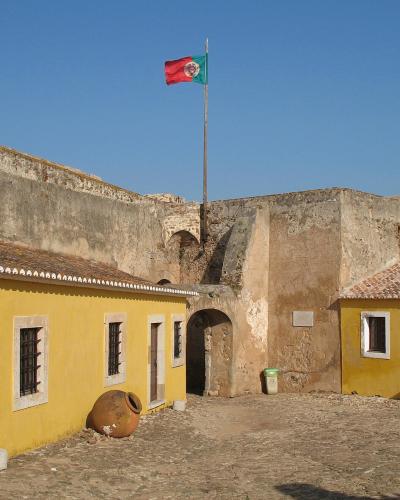
The nearby town of Castro Marim has a medieval castle on a hill above the marsh, from which the reserve stretches below like a map. The castle was home to the early Order of Christ in the 14th century, and the old town has cafés and small shops. Tavira and Vila Real de Santo António are also close.
The reserve suits birdwatchers, photographers, cyclists, and families who like open-air walks, and it makes a calm change from the busier Algarve coast.
Categories
More photos coming soon
Nearby Attractions
Other places to visit in Castro Marim
Frequently Asked Questions
Quick Facts
Best Time to Visit
Spring (March-May) and autumn (September-November) offer mild weather, ideal for birdwatching, hiking, and exploring Castro Marim’s castle and salt pans.