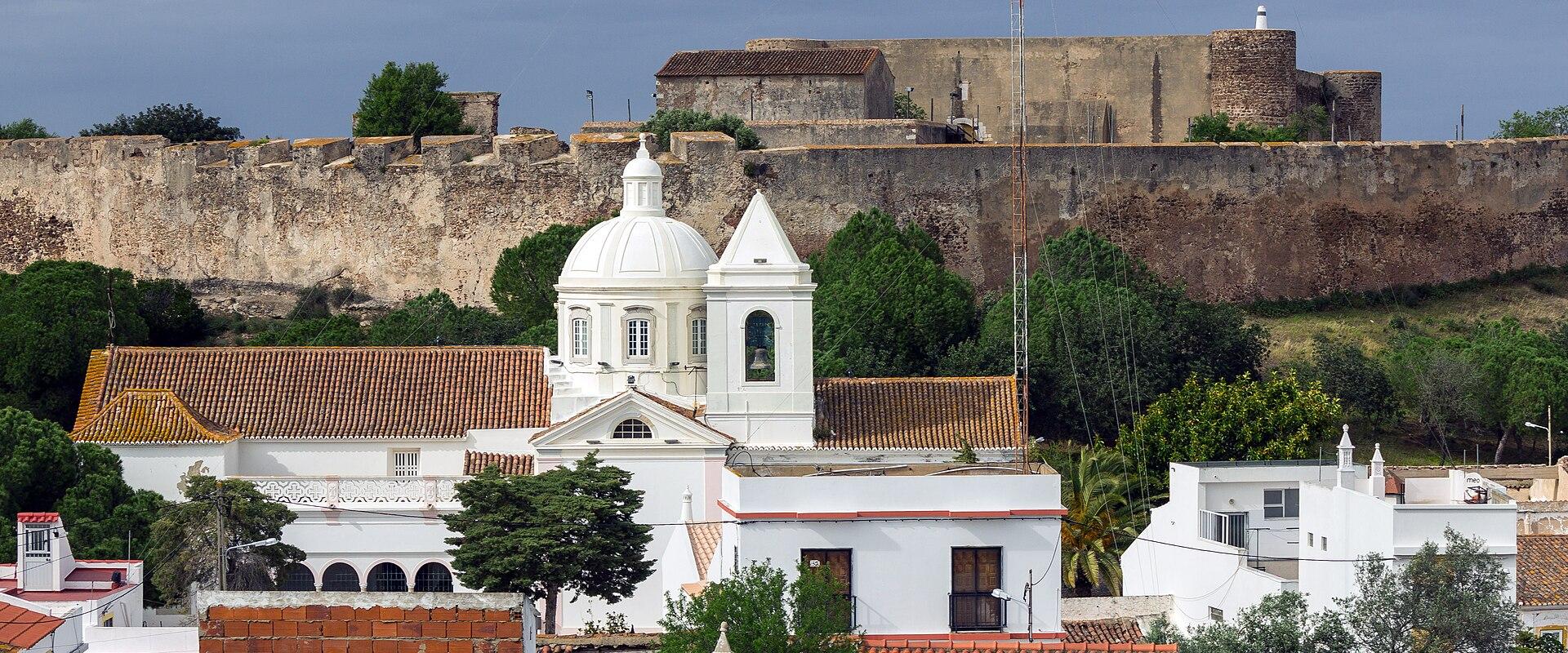
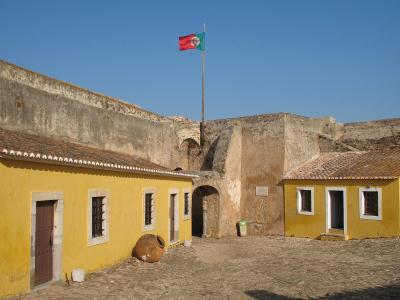
Castro Marim’s story stretches back to ancient times, when its strategic location near the mouth of the Guadiana River made it a vital defensive and trading post. The town flourished under Moorish rule and later became a stronghold of the Knights Templar, who built the iconic Castelo de Castro Marim in the 13th century. In 1319 King Dinis established the Order of Christ here, the successor to the Templars in Portugal, and the order later financed many of the voyages of the Age of Discovery. The castle’s ramparts and towers offer panoramic views over the town, salt pans and the river, while its museum displays artifacts from the region’s long history.
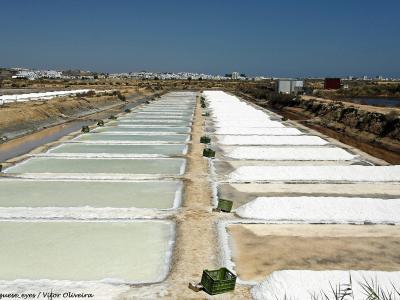
Just outside the castle walls stands the 17th-century Forte de São Sebastião, another reminder of Castro Marim’s military past, built during the wars with Spain when the border was a constant danger. The town’s Igreja Matriz and charming squares invite leisurely exploration, and the local market is a great place to sample regional produce and crafts. Castro Marim is also famous for its salt pans, where traditional methods of salt harvesting are still practiced, and for the delicate flor de sal collected from their surface in summer. The annual Salt Festival celebrates this heritage with music, food and demonstrations, and a medieval fair in August fills the streets with costumed stalls.
Nature lovers are drawn to the Reserva Natural do Sapal de Castro Marim e Vila Real de Santo António, a vast wetland home to flamingos, storks and countless other bird species. Walking and cycling trails wind through the reserve, offering opportunities for birdwatching and photography, and the winter months bring large numbers of migratory birds. The area’s beaches, including Praia Verde and Praia do Cabeço, are among the Algarve’s most peaceful, with soft sands, clear waters and pine-shaded dunes. They are quieter than most beaches in the central Algarve, and facilities are limited.
Outdoor activities abound, from hiking and cycling to golf at the nearby Castro Marim Golf Course. The town’s location on the border makes it easy to visit the Spanish town of Ayamonte, just across the Guadiana River by bridge or ferry, and the neat grid-plan town of Vila Real de Santo António, with its riverside promenade, lies a few minutes away. Tavira, one of the Algarve’s prettiest towns, is a short drive west. Castro Marim’s relaxed pace and friendly community make it a welcoming base for exploring the eastern Algarve, and traditional restaurants in the town serve grilled fish, rice dishes with seafood and local bread, often with views over the marshes.
Getting to Castro Marim is straightforward, with the town located about 60 kilometers east of Faro and accessible by car, train or bus. The nearest train station is in Vila Real de Santo António, a short taxi ride away. Accommodation options range from boutique hotels and rural guesthouses to beach resorts and eco-lodges.
The best time to visit Castro Marim is in spring (March to May) or autumn (September to November), when the weather is mild and ideal for outdoor activities, birdwatching and exploring the salt pans. Summer brings hot, sunny days suited to the beach, while winter is mild and quieter. For history, nature and beaches, Castro Marim offers a memorable and authentic Algarve experience.
Best time to visit
Spring (March-May) and autumn (September-November) offer mild weather, ideal for birdwatching, hiking, and exploring Castro Marim’s castle and salt pans.
What to see in Castro Marim
Our picks first.
Castro Marim by interest
The same sights, grouped by what you came for.
Did you know?
Checked facts about Castro Marim, each with its source.
-
History
Castro Marim's Salt Marsh Became Portugal's First Nature Reserve
The Reserva Natural do Sapal de Castro Marim e Vila Real de Santo António, the salt marshes and salt pans around Castro Marim at the mouth of the Guadiana, was created in 1975 as the first officially classified nature reserve in Portugal. It is a haven for wading birds, including flamingos.
Source: Postal do Algarve
Planning a visit to Castro Marim
Itineraries that include Castro Marim
Good to know
- Currency
- EUR
- Language
- Portuguese
Quick Facts
Book your stay
Questions people ask
More places in Algarve
Algarve
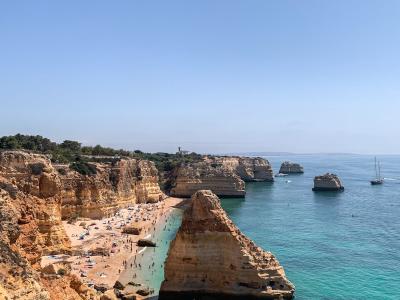
Lagos
Old walled town, golden sea cliffs and the beaches of the western Algarve
Algarve
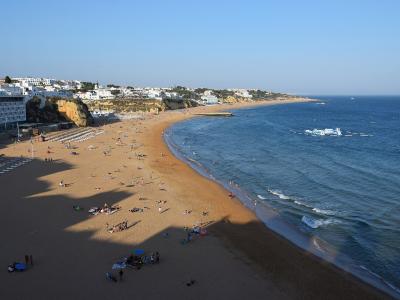
Albufeira
Vibrant Algarve resort with beaches and lively nightlife
Algarve
Faro
Algarve capital with old town, beaches, and Ria Formosa lagoon
Algarve
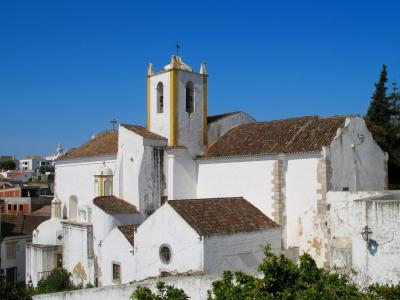
Tavira
Historic riverside town with island beaches and Moorish charm