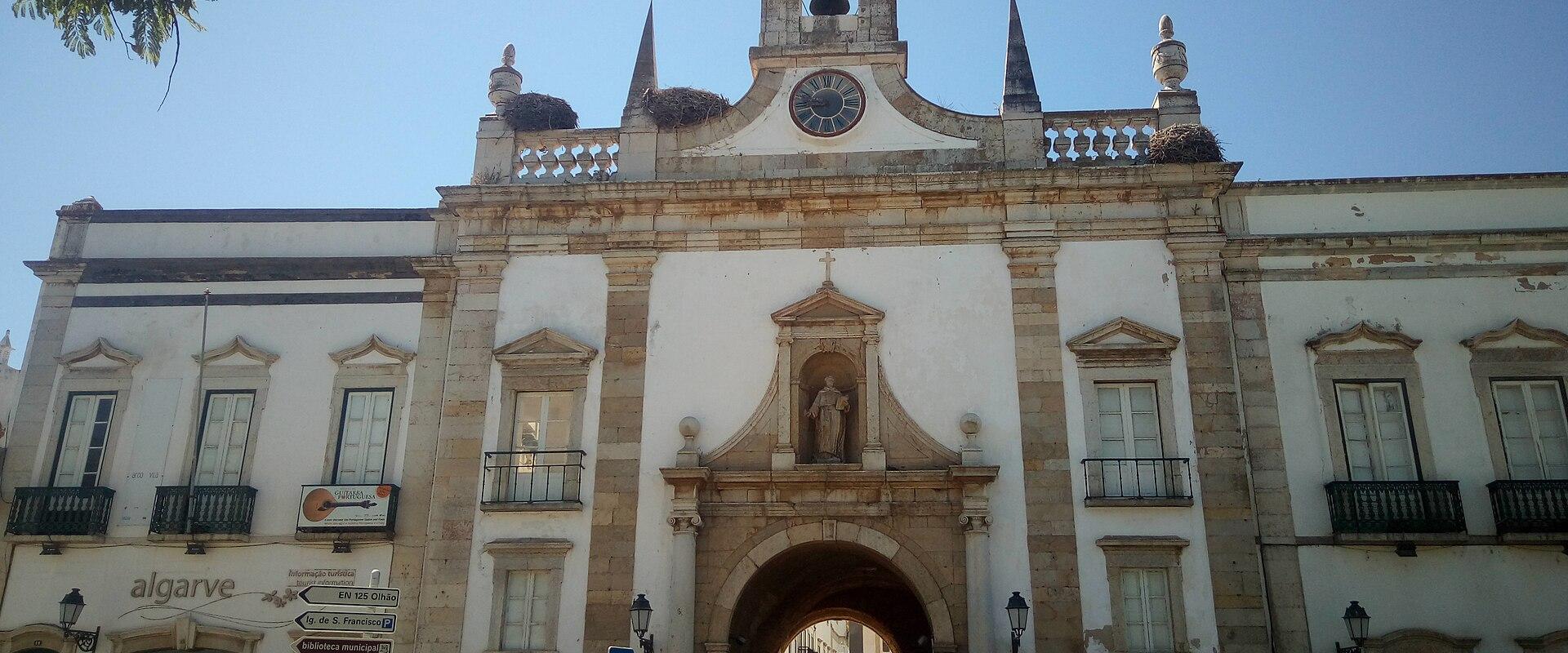
Cidade Velha (Old Town) Of Faro
Walled historic quarter in central Faro
Faro's Cidade Velha, the old town, is a compact walled quarter at the centre of the city, set between the marina and the open lagoon of the Ria Formosa. It is a contrast to the modern city around it and to the resort strip along the coast, and it offers a quiet, small-scale glimpse of the Algarve's long history. The enclosure is known as the Vila-a-Dentro, the town within, and its walls and gates date from several periods.
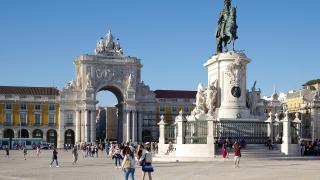
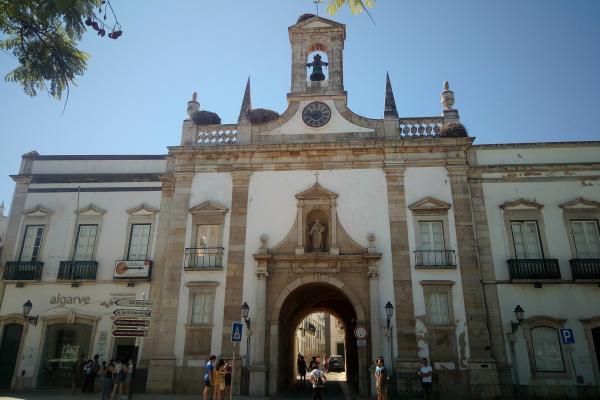
The site has been occupied for a very long time. In Roman times it was the town of Ossonoba, an important port, and under Muslim rule it was a significant settlement known as Santa Maria. It was the last town in the Algarve to be taken by the Portuguese, in 1249, by King Afonso III, which completed the reconquest of the kingdom. The medieval walls, partly built on Roman and Islamic foundations, still surround the enclave. The main entrance from the marina side is the Arco da Vila, a neoclassical arch of the early 19th century built to a design by an Italian architect, with a niche containing a statue of Saint Thomas Aquinas, and it is the classic doorway into the old quarter.
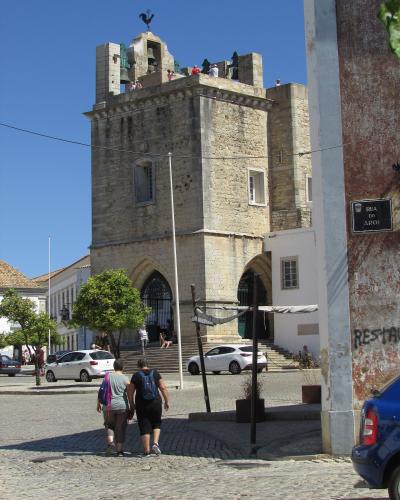
Inside, the lanes are narrow and paved with cobbles, lined by whitewashed houses, small shops, and cafés. The centre of the district is the Largo da Sé, a quiet square planted with orange trees, where the cathedral stands. The Sé is a mixture of styles, beginning in the 13th century and rebuilt after an earthquake, with Gothic, Renaissance, and Baroque elements, and its bell tower offers a wide view across the roofs and the lagoon. Next to it, the municipal museum, housed in a former convent with a beautiful cloister, displays Roman mosaics, sculptures, and local history. The Chapel of Bones, in the Carmo church just outside the walls, is a macabre but memorable sight.
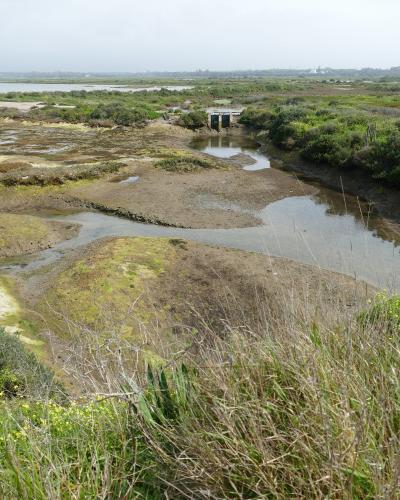
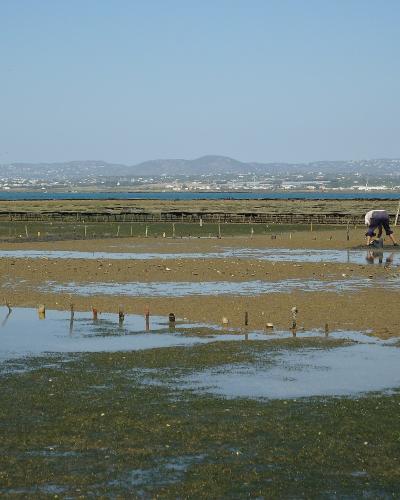
Life in the old town is calm, and it retains a strong local identity, with residents going about their daily business. Paths along the walls lead to views over the lagoon, where flamingos and other birds feed on the mudflats, and boats leave from the nearby harbour for the barrier islands.
The quarter is easy to explore on foot in a morning, and it suits history readers, photographers, and travellers who prefer quiet streets. Visit in the morning for the best light and fewer people.
Categories
More photos coming soon
Nearby Attractions
Other places to visit in Faro
Frequently Asked Questions
Quick Facts
Best Time to Visit
Late spring to early autumn (May–September) offers warm, sunny weather for beaches, boat tours, and exploring Faro’s historic and natural attractions.