- Where
- Faro, Algarve
- Directions
- Directions
Off the coast at Faro, a chain of low sandbanks forms a barrier between the Atlantic and a shallow lagoon, the Ria Formosa, and those barrier islands are among the most distinctive places in the Algarve. The Ria Formosa Natural Park, created in 1987, protects a stretch of about sixty kilometres of coast from near Garrão to Cacela Velha, and the islands, channels, mudflats, and salt marshes within it are important for birds, fish, and shellfish. Reaching them requires a boat, and that, together with the lack of roads, keeps the character of the islands very different from the mainland resorts.
The islands each have their own personality. The Ilha da Culatra, the largest settled island, is home to a community of fishermen and clam gatherers who live in low houses of wood and painted concrete along sandy lanes with no cars. Visitors arrive at a small jetty and walk to the village and the long beach on the ocean side, and the atmosphere is calm and a little frozen in time. At the island's western end stands a lighthouse, the Farol do Cabo de Santa Maria, at the southern tip of the mainland coast of Portugal. The Ilha da Armona, near Olhão, has a long beach and a community of summer houses, and the Ilha Deserta, uninhabited apart from a restaurant, offers a wilder experience. The Ilha de Tavira, further east, has one of the longest beaches in the region.
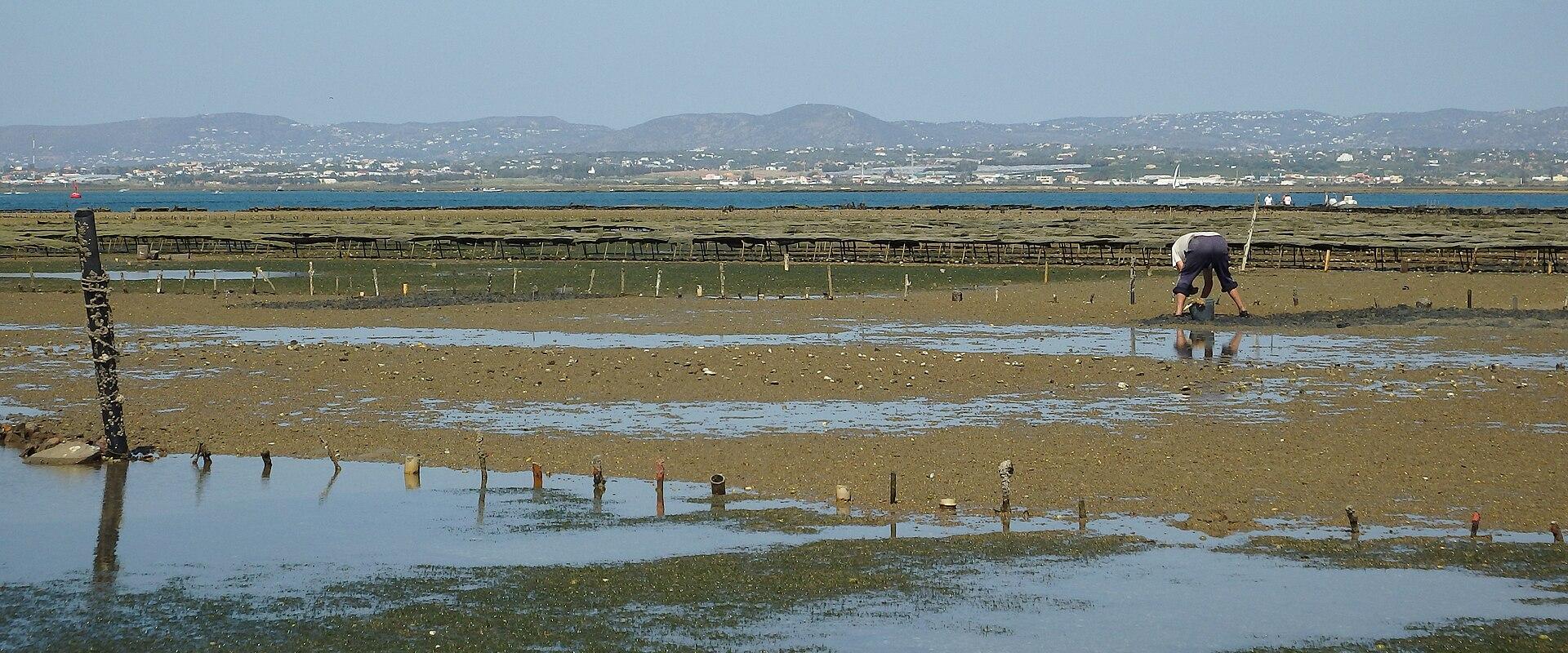
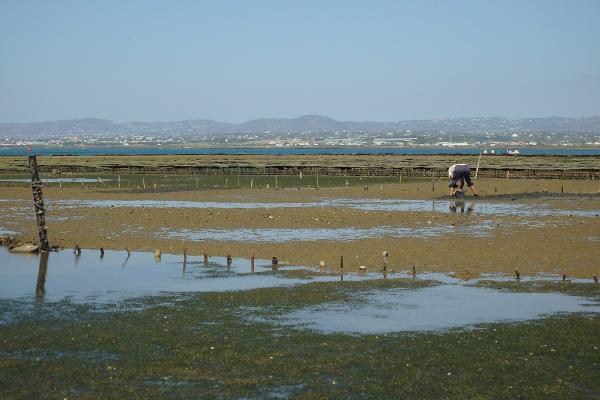
Wildlife is a reason for visiting. The lagoon is a stopover for migrating birds, and residents include flamingos, spoonbills, avocets, and the colourful purple swamphen. Seahorses live in the eelgrass beds, and the Mediterranean chameleon, a rare reptile in Europe, lives in the pine and scrub of the mainland edge. Shellfish farming is an old tradition, and the clams of the Ria Formosa, served in cataplana stews and with rice, are among the best in Portugal. The islands change with the tide: at low water, the flats appear, and gatherers walk out to dig for clams and cockles.
Boat services run from Faro, Olhão, and other points on the coast, with frequent crossings in summer and fewer in winter, so check times before going. Boat tours of the lagoon are also available from Faro's harbour. Bring sun protection, water, and food, since facilities on the islands are limited, and take your rubbish with you.
The islands suit beachgoers, birdwatchers, photographers, and families, and they give a gentler view of the Algarve.
More photos coming soon
Nearby Attractions
Other places to visit in Faro
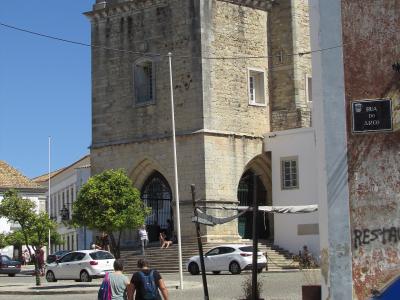
Bell Tower Of Sé Cathedral (Sé Cathedral)
Medieval bell tower with panoramic views
City Centers · Historic Towns
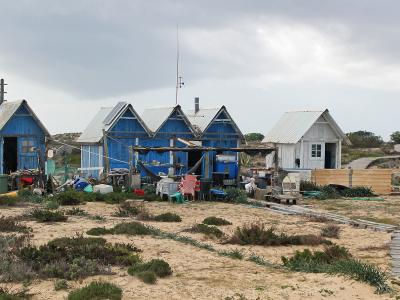
Ihla Deserta
Uninhabited barrier island in Ria Formosa
From €5 Coastal & Maritime
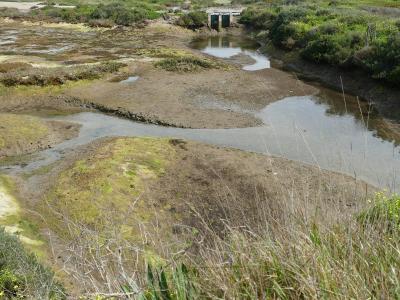
Ria Formosa Natural Park
Algarve lagoon with five barrier islands and salt marshes
Coastal & Maritime · Natural Wonders
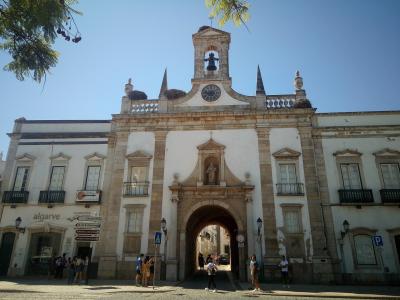
Cidade Velha (Old Town) Of Faro
Walled historic quarter in central Faro
Historic Districts · Historic Towns
Questions people ask
Quick Facts
Best Time to Visit
Late spring to early autumn (May–September) offers warm, sunny weather for beaches, boat tours, and exploring Faro’s historic and natural attractions.