- Where
- Faro, Algarve
- Directions
- Directions
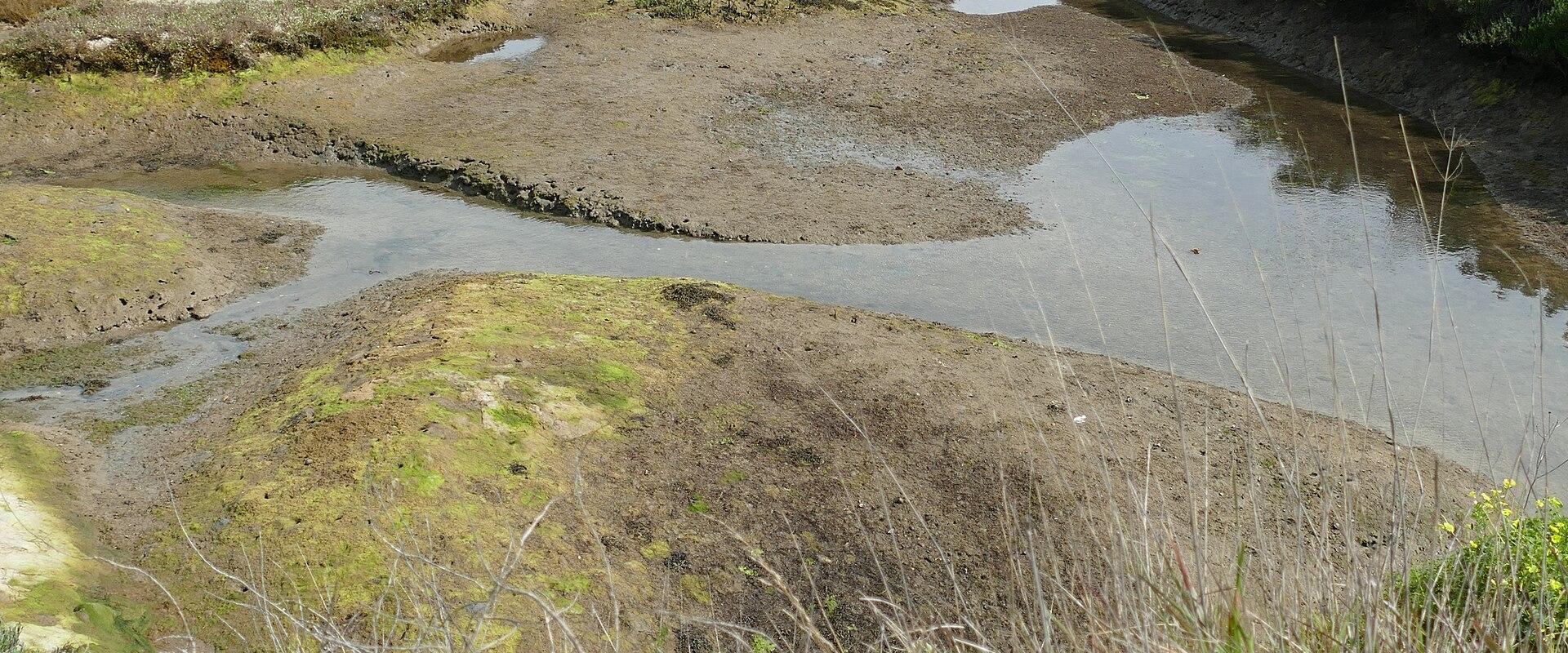
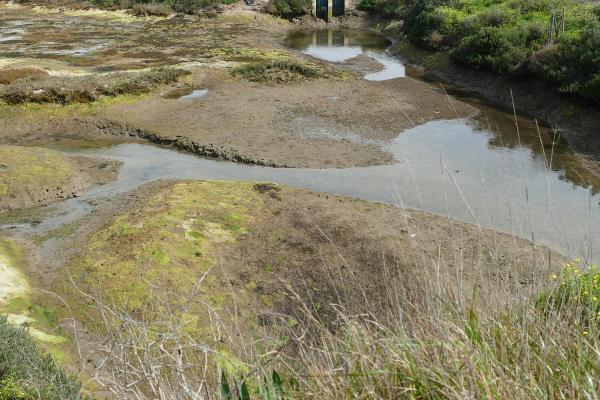
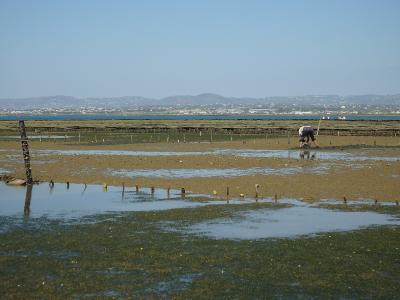
The Ria Formosa is a shallow lagoon system that runs for about sixty kilometres along the eastern Algarve, from near Faro to Cacela Velha, sheltered from the open ocean by a chain of low barrier islands and sandbars. The park covers about 18,000 hectares of channels, mudflats, salt marsh, dunes and islands, and it was protected as a natural park in 1978. It is one of the most important wetlands in Portugal, and it is also a working landscape, where fishermen, clam farmers and salt producers have made a living for centuries.
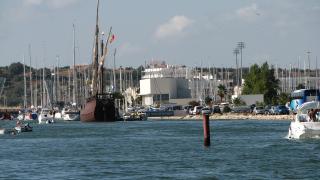
The barrier islands are what visitors come for. Five islands, with a couple of peninsulas, form the seaward edge of the system. Barreta, the westernmost, also known as Ilha Deserta, is almost uninhabited, with a long wild beach and one restaurant. Culatra is home to fishing communities, in villages with sand streets, no cars and boardwalks instead of roads, and a lighthouse, while Armona is a popular beach destination with a small settlement. Further east, the long island of Tavira has wide beaches and a quiet atmosphere. Boats go out from Faro, Olhão, Fuseta and Tavira, and the crossings are part of the pleasure, with the boats weaving through shallow channels and past oyster beds.
The lagoon is a haven for wildlife. The park is a stopover and wintering ground for thousands of birds, including flamingos, spoonbills, avocets and herons, and it is one of the few places in Portugal to see the purple swamphen, a large, brightly coloured bird of the reedbeds. The lagoon also supports seahorses and a great variety of fish, which use the shallow waters as a nursery. Clams are farmed on a large scale, and the park supplies much of the country's production. In some areas, traditional salt pans are still harvested by hand, and the salt is sold as flor de sal.
There are several ways to explore. Boat taxis and organised trips offer the easiest access, and kayaks and stand-up paddleboards let you paddle through the quiet channels. Walking trails and an environmental education centre near Olhão provide information on the ecology of the park. Birdwatching is best in winter and during the spring and autumn migrations, and the early morning light is at its best for photographs.
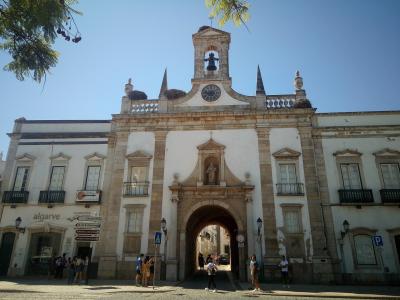
Practical matters include checking tide times, as some routes depend on the water level, and bringing sun protection, as there is little shade on the islands. Services are limited, so carry water and food outside the busy summer season. Respect the protected status of the dunes and nesting areas, and keep to the marked paths. The park is close to the old town of Faro, which can be explored in the same visit, including the Sé and its bell tower. The Ria Formosa suits nature lovers, families who enjoy boat trips and anyone who wants to see a quieter side of the Algarve.
Categories
More photos coming soon
Nearby Attractions
Other places to visit in Faro
Bell Tower Of Sé Cathedral (Sé Cathedral)
Medieval bell tower with panoramic views
City Centers · Historic Towns
Ihla Deserta
Uninhabited barrier island in Ria Formosa
From €5 Coastal & Maritime
Nearby Islands (of Ria Formosa)
Protected barrier islands in Ria Formosa
Activities & Adventure · Coastal & Maritime
Cidade Velha (Old Town) Of Faro
Walled historic quarter in central Faro
Historic Districts · Historic Towns
Questions people ask
Quick Facts
Best Time to Visit
Late spring to early autumn (May–September) offers warm, sunny weather for beaches, boat tours, and exploring Faro’s historic and natural attractions.