- Where
- Madeira, Madeira
- Directions
- Directions
The Convento de Santa Clara is one of the oldest and most important monuments in Funchal, and it still has a community of nuns. It stands on a hillside above the old town, at the head of a steep street, and its walls enclose a church, a cloister, and gardens that give a glimpse of Madeira in the age of the first settlers. The convent was founded at the end of the 15th century, between 1489 and 1496, by the granddaughters of João Gonçalves Zarco, the navigator credited with discovering the island and its first captain of Funchal, for nuns of the Order of Saint Clare, the Poor Clares. It was meant for women of the island's leading families.
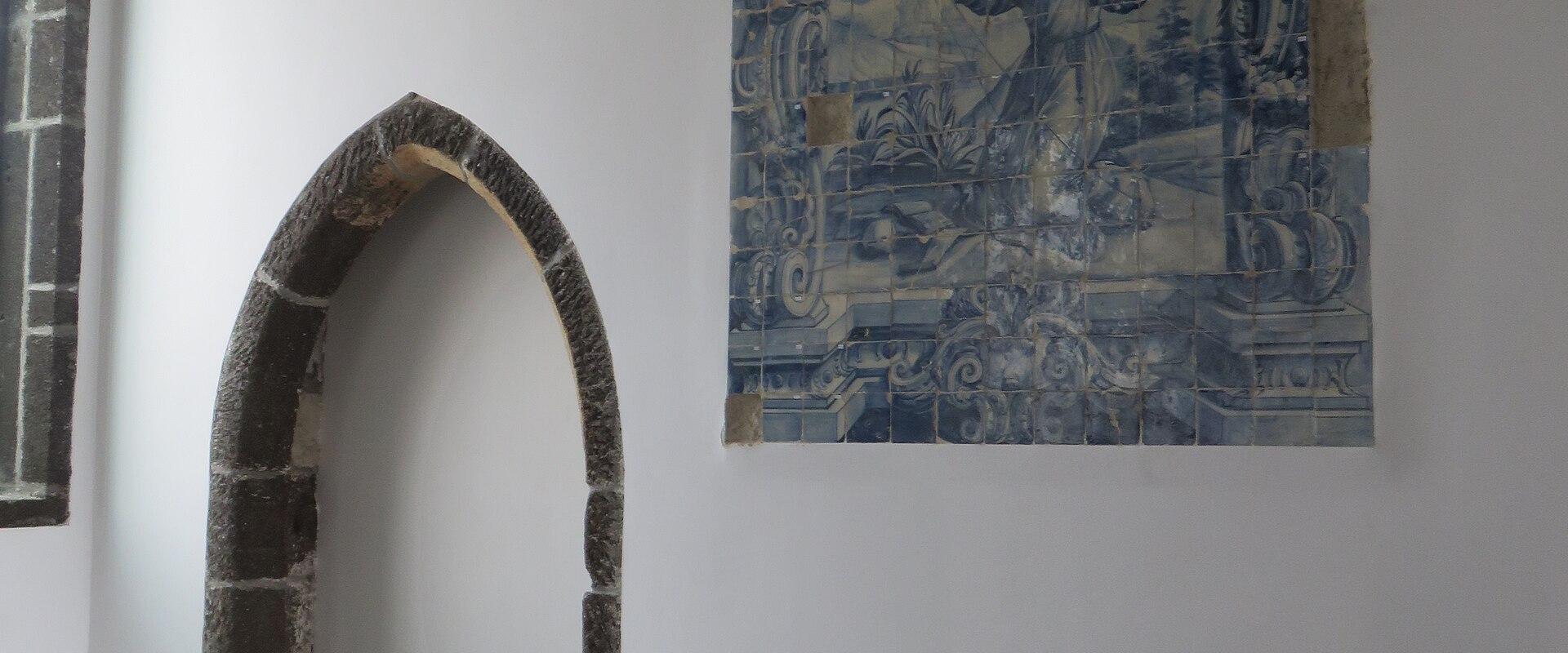
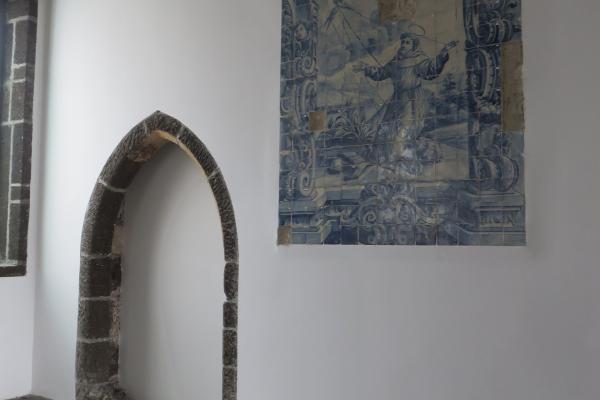
The church holds the tomb of Zarco himself, a simple stone monument in a side chapel, which makes it one of the most meaningful places in the island's history. The interior has a wooden ceiling in Mudéjar style, carved and painted, and the walls are covered with tile panels, including Hispano-Moorish tiles with geometric patterns of the 16th century and later blue and white azulejos of the 17th century. The altarpieces and chapels hold paintings and sculptures from the 17th and 18th centuries, and some canvases have been restored. The effect is of a rich, dark space with colour in the tiles and gold.
The cloister, in Gothic style, has pointed arches and slender columns and surrounds a small courtyard garden, a quiet space that has changed little over the centuries. One of the chapels, dedicated to Saint Gonçalo de Amarante, is also of interest for its decoration. The convent suffered during the Atlantic raids and changes of fortune, and in the 20th century its buildings were restored. The nuns, who have long been known for their embroidery and for sweets made to traditional recipes, still live in the enclosed part of the building, and visitors are admitted to the church and certain areas under a guided arrangement.
The convent is in the old centre of Funchal, a short climb from the cathedral, and it commands a view over the town. Because it is a working religious house, hours are limited, and visitors should dress modestly and speak softly. Check opening times locally, since visits may be by guided tour only.
It suits history readers, tile enthusiasts, and anyone interested in the early story of Madeira. A visit takes about forty-five minutes, and combines naturally with a stroll through the old town and a visit to the cathedral.
Categories
More photos coming soon
Nearby Attractions
Other places to visit in Madeira
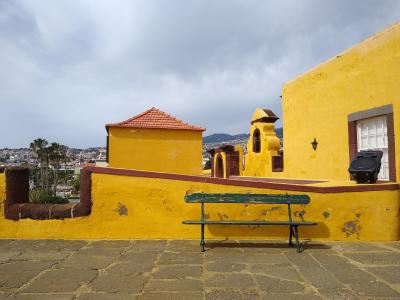
Fortress Of São Tiago
17th-century fort housing contemporary art
Fortresses · Historic Districts
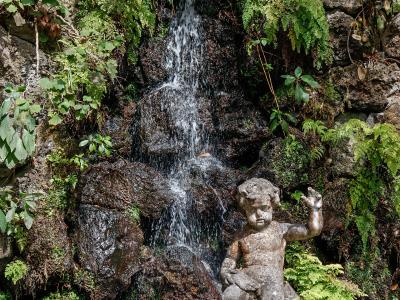
Monte Palace Tropical Garden
70,000 sqm garden with art and exotic flora
Cultural Experiences · Gardens
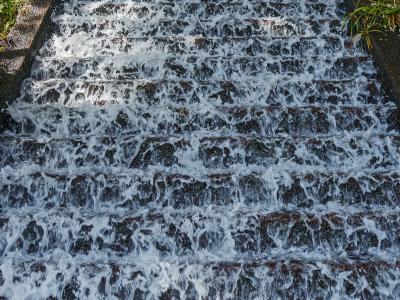
Monte Palace Madeira
Tropical garden with African art and mineral museum
Cultural Experiences · Gardens
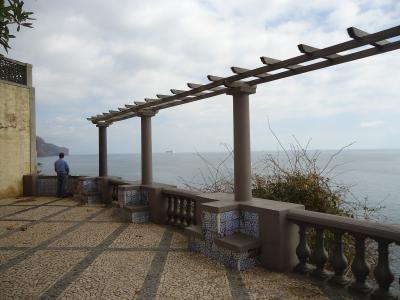
Miradouro Do Socorro
Panoramic ocean and city views in Funchal
Coastal & Maritime · Natural Wonders
Questions people ask
Quick Facts
Best Time to Visit
June to September offers warm, dry weather for hiking and festivals, but Madeira’s mild climate and lush scenery make it enjoyable year-round.