



Cuisine Of Ponta Delgada
Atlantic island flavors with fresh local produce
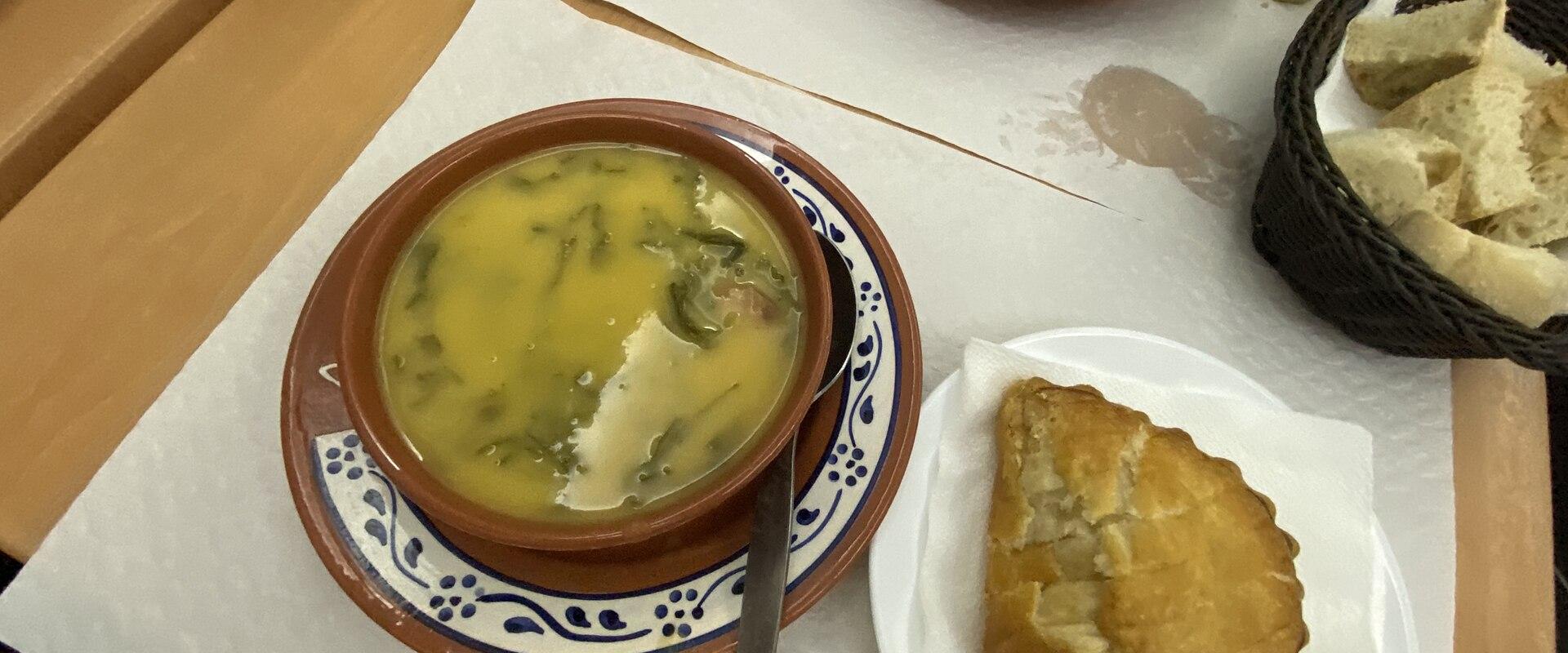
Ponta Delgada eats from the Atlantic and from the volcano. The capital of the Azores, on the south coast of São Miguel, sits between rich pastures and some of the most productive fishing grounds of the archipelago, and the island's food reflects both. The cooking is simple and robust, based on fresh fish, beef and dairy, and on a handful of local products that cannot be found anywhere else in Portugal.
Seafood comes first. Limpets, called lapas, are grilled on a hot plate with garlic, butter and lemon and eaten straight from the shell, a standard starter in harbourside restaurants. Fresh fish such as blackspot seabream, tuna, scabbardfish and amberjack arrive daily, often grilled whole or served in a simple stew with potatoes, and octopus and squid are prepared in many ways. Another staple is the cozido das Furnas, a stew of meats and vegetables cooked for hours in a pot buried in the hot volcanic soil near the lake at Furnas, a dish that is a rite of passage for visitors to the island.
On land, São Miguel's lush pastures produce excellent dairy and beef, and beef is the basis of many hearty dishes, as well as the island's cheeses, which are mild and creamy. Sausages, such as linguiça and morcela, are served in sandwiches or cooked with local pineapple, a combination that surprises many visitors. The pineapples themselves are small, intensely sweet and grown in greenhouses, a product of the island since the 19th century, and they appear in jams, liqueurs and desserts. The Azores also produce tea, grown on the north coast at Gorreana and Porto Formoso, the only commercial tea plantations in Europe.
Bread and sweets are also a feature. Bolo lêvedo is a soft, slightly sweet round of bread cooked on a griddle, eaten warm with butter or filled with cheese, ham or sausage, and it originated in the village of Furnas. Pão de milho, the cornbread, is another staple. Look for queijadas, small custard tarts, and fofas, light, sugar-dusted pastries, in bakeries across the island.
Wine here comes from the neighbouring island of Pico, and local liqueurs include a passion fruit liqueur and a spirit made from fruit. A good way to see the food is to visit the market, the Mercado da Graça in the centre of the town, where fresh fish, fruit, cheese and bread are sold, and then to eat at one of the restaurants around the harbour. Several companies offer guided food tours, which are convenient for trying many things in a short time. Portions are generous, and lunch is the main meal, with prices more modest than in mainland tourist cities. The cuisine suits curious eaters who like honest, regional food.
More photos coming soon
Nearby Attractions
Other places to visit in Açores

Frequently Asked Questions
Quick Facts
Best Time to Visit
Late spring to early autumn (May–October) offers mild weather, lush scenery, and optimal conditions for hiking, whale watching, and exploring the Açores.