

Deep Crater Lakes Shaped By Volcanic Activity
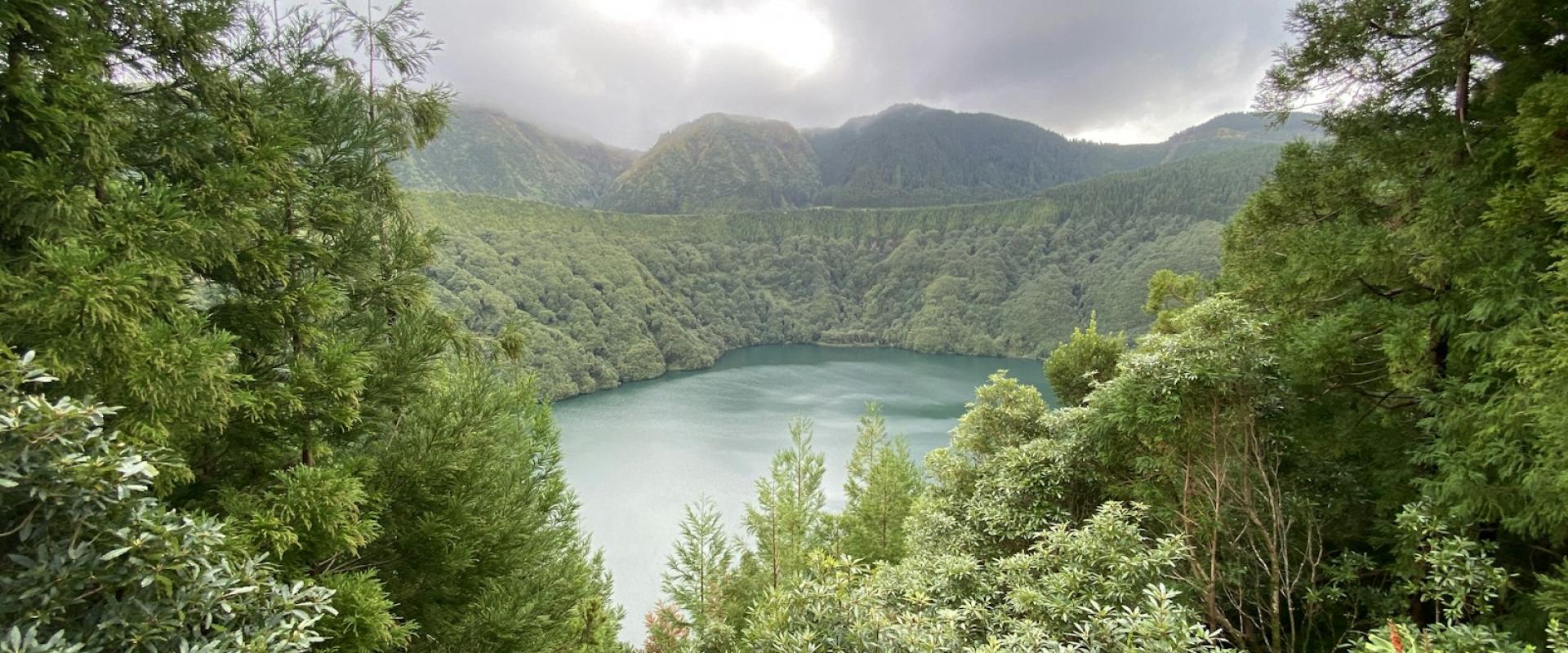
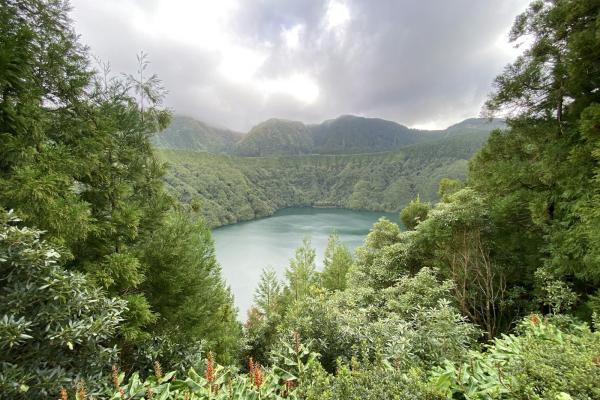
Volcanic crater lakes with misty, rugged landscapes
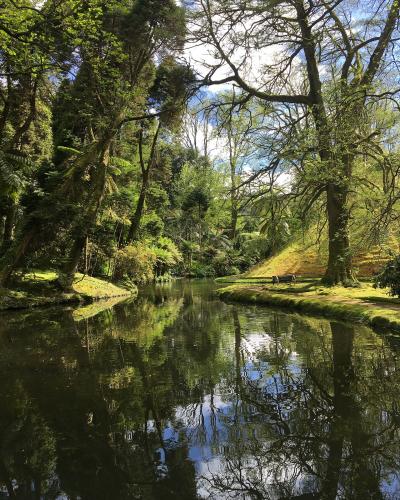
The Azores are a chain of volcanic islands, and many of them are crowned by craters that have filled with water over time, creating crater lakes of great beauty. Each has its own character, shaped by altitude, depth, surrounding vegetation, and the weather, which in the islands changes quickly and can turn a bright view into a mist in minutes. The lakes are one of the main reasons for visiting the archipelago, and they offer different experiences from island to island.
On São Miguel, Lagoa do Fogo is one of the most dramatic. It lies high in the centre of the island, within a protected area, in a large caldera whose steep slopes are covered in dense native vegetation. The lake is often wrapped in cloud, and when the mist lifts the water appears pale blue and the surrounding hills green. Early morning is the best time to reach the main viewpoint, the Miradouro da Lagoa do Fogo, before the day's crowds arrive, and in busy periods access to parts of the route may be managed with shuttle services, so check local arrangements. A path leads down to the shore, which is manageable but can be slippery after rain, so sturdy shoes are advisable.
Off the coast of São Miguel near Vila Franca do Campo lies the Ilhéu de Vila Franca do Campo, a small islet that is the remains of a volcanic crater. Its sea-filled interior forms a nearly circular lagoon, protected as a nature reserve, where visitors can swim and snorkel in summer. Boats from the town take a limited number of people each day, and booking ahead is wise.
Other islands have their own examples. On Flores, small lakes such as Funda and Rasa sit in craters on the high ground, linked by walking paths. On Faial, the huge Caldeira, nearly two kilometres across, holds a deep green hollow, while on Corvo the crater of the Caldeirão contains small lakes within its walls. Pico, with its tall mountain, has lakes such as Capitão in the highlands.
Bring waterproof clothing, warm layers, and a good map, and be prepared for sudden changes in weather. The lakes suit hikers, photographers, and nature lovers, and early starts reward visitors with calm light and fewer people.
Categories
More photos coming soon
Nearby Attractions
Other places to visit in Açores
Frequently Asked Questions
Quick Facts
Best Time to Visit
Late spring to early autumn (May–October) offers mild weather, lush scenery, and optimal conditions for hiking, whale watching, and exploring the Açores.