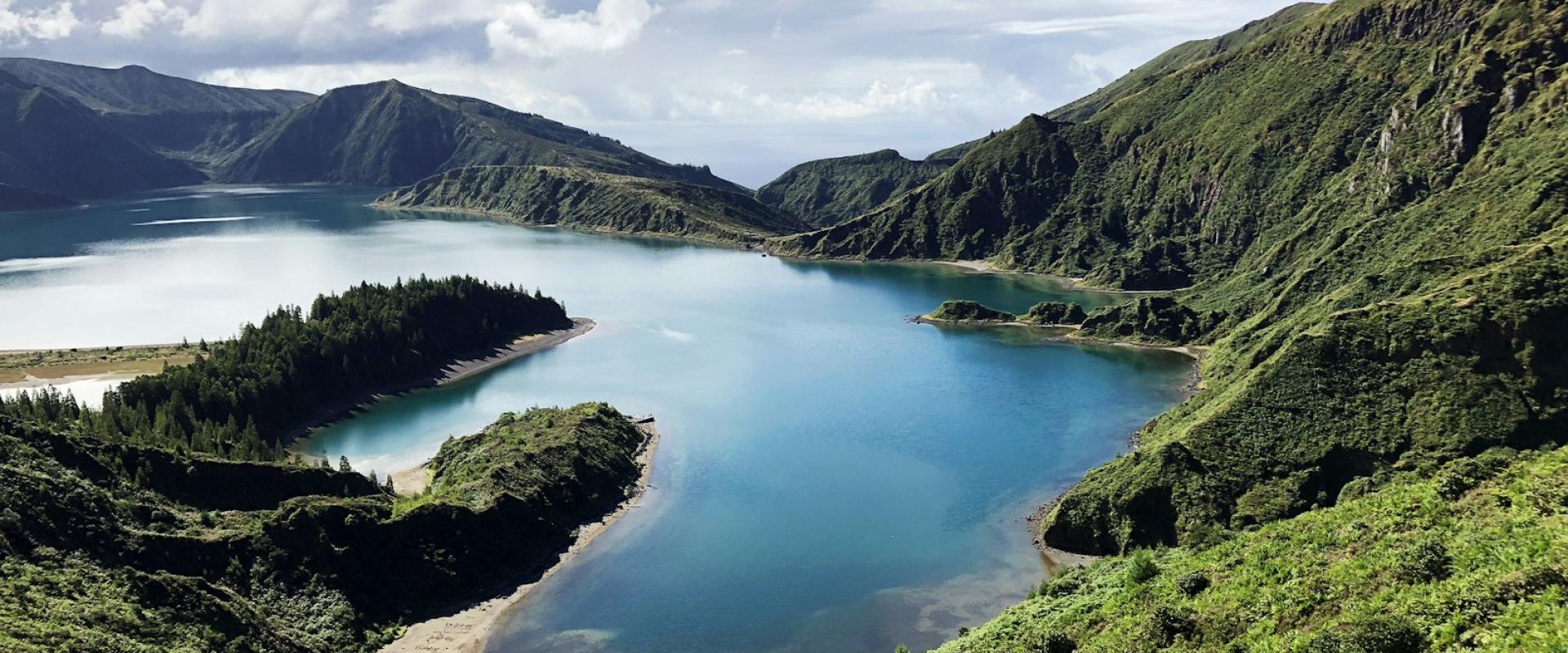
Emerald-green Landscapes Of The Azores
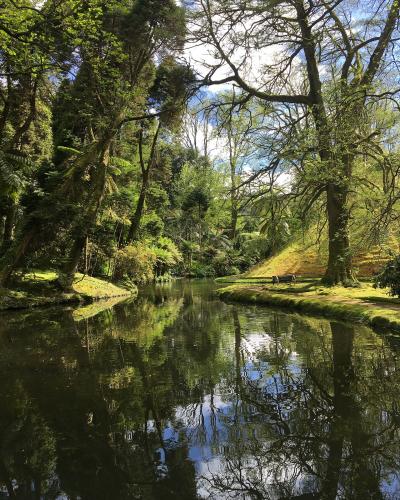
Lush volcanic hills and emerald crater lakes
The Azores are nine volcanic islands in the middle of the Atlantic, roughly a third of the way from Portugal to North America, and green is the colour of nearly all of them. The reason lies in the geography. The archipelago is battered by wet winds off the ocean, the mountains catch the clouds, and the volcanic soil is fertile, so that vegetation grows quickly all year. The scenery is dramatic, but each island has its own version of it.
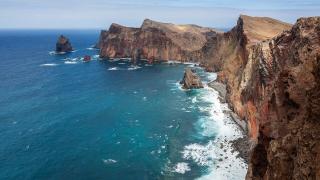
The islands are spread across three groups, with a distance of several hundred kilometres between the eastern and western ends. In the east lies São Miguel, the largest, with its crater lakes, hot springs and tea plantations, and tiny Santa Maria, the driest and sunniest. In the centre are Terceira, with its historic town of Angra do Heroísmo, listed by UNESCO, Graciosa, Pico, São Jorge and Faial. In the west lie Flores and Corvo, the farthest, the latter an island with a single village in the centre of a crater. Pico is dominated by Portugal's highest mountain, a volcanic cone of around 2,350 metres, and the others range from flat, rolling terrain to deep canyons and sheer coastal cliffs.
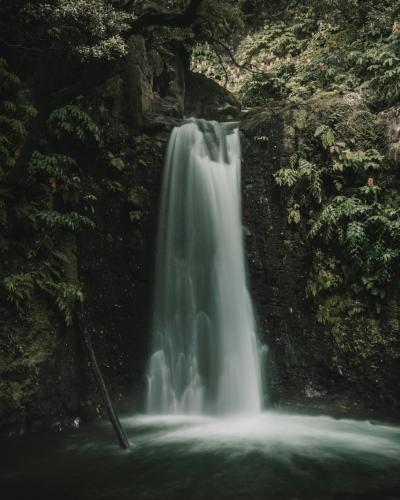
The character of the green varies. In São Miguel, the lushness takes the form of emerald pastures, hedges of hydrangea and crater lakes in blue and green. On Flores, called the island of flowers, a profusion of streams creates waterfalls that drop into lakes and into the sea, and the fajãs, small coastal plains at the base of cliffs, are covered in gardens. On Terceira and Pico, remnants of laurel forest, the same type of ancient woodland found on Madeira, survive on the high ground, draped in moss and ferns. On Graciosa, a small island, the countryside is gentler, with vineyards and a curious volcanic cave with a lake. Pico has its black lava vineyards.
Wildlife lives in these habitats. Some of the most notable birds include the Azores bullfinch, a rare species found only in a small patch of forest on São Miguel's east, and the Cory's shearwater, a seabird that nests on the islands in great numbers, and the waters around the archipelago are a rich feeding area for whales and dolphins, which can be watched from boats in season. The islands are also part of a network of protected areas, and the sea and land ecosystems are carefully managed to protect their natural riches.
Visiting is straightforward, with flights from Lisbon and Porto and inter-island services and ferries. Hiking trails of different lengths cover each island, and the weather changes quickly, so carry a waterproof jacket. Spring and summer give the greenest landscapes and, in July and August, the hydrangeas. The islands suit walkers, nature lovers, photographers and those who like a slower pace.
Categories
More photos coming soon
Nearby Attractions
Other places to visit in Açores
Frequently Asked Questions
Quick Facts
Best Time to Visit
Late spring to early autumn (May–October) offers mild weather, lush scenery, and optimal conditions for hiking, whale watching, and exploring the Açores.