
Graciosa Island (Azores)
Ethnographic museum in historic wine warehouse
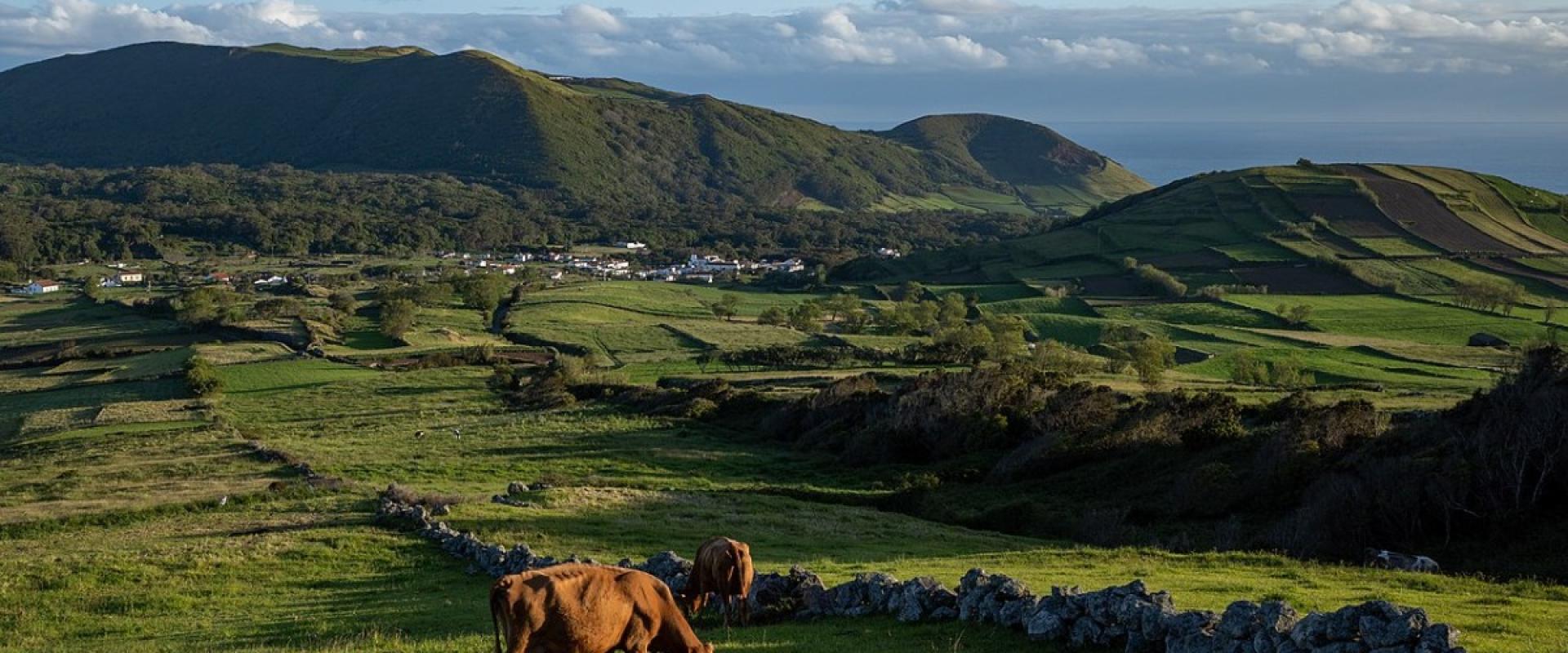
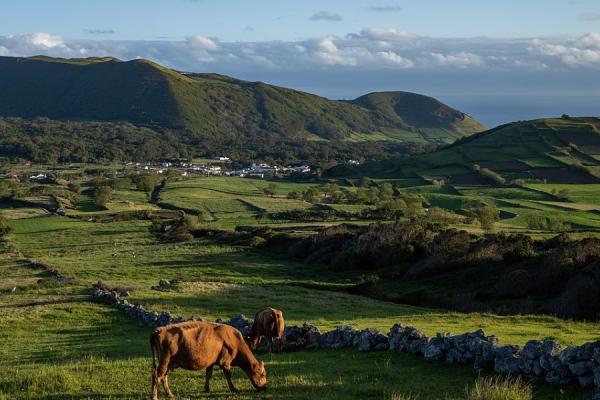
Graciosa is one of the smallest and quietest islands of the Azores. Known as the White Island, it lies in the northern part of the central group, north of Terceira and not far from São Jorge, and it has a single municipality, Santa Cruz da Graciosa, with a population of around four thousand. It is a gentle, rural place with rounded hills, small volcanic cones, and a flat landscape of fields divided by dry stone walls. UNESCO recognised the island as a Biosphere Reserve in 2007.
The island's most famous sight is the Furna do Enxofre, a volcanic cavern in the crater of the Caldeira, reached by a tunnel and a spiral staircase that descends into a large chamber with a lake at the bottom. Steam and sulphurous gases rise in places, and the setting is dramatic. Elsewhere, hot springs at Carapacho, on the south coast, have a long tradition as a spa, and the coastline has small harbours, natural pools, and rocky inlets used by swimmers. Windmills dot the landscape, and vineyards in black volcanic soil produce a local wine.
The cultural highlight in the main town is the museum in the historic centre of Santa Cruz, housed in a former warehouse for grain and wine. It lets visitors step into a reconstructed island house, see the cellar and the wine press, and look at the tools, pottery, and crafts of a self-sufficient community, from barrel-making to furniture. The garden contains an old cannon from the island's defences. Satellite sites linked to the museum cover aspects of the island's past, including its whaling heritage, which was important across the archipelago until the 20th century.
Getting to Graciosa takes a regional flight from Terceira or São Miguel, or a ferry in summer, and the island is small enough to explore in a day or two. Roads are quiet, and the pace of life is slow. Bring waterproof clothing, because rain can arrive without warning, and plan meals, since services in villages can be limited out of season.
Graciosa suits those who like quiet landscapes, walking, cycling, and small museums. It lacks the dramatic scale of Flores or Pico, which is part of its charm, and a visit gives a sense of traditional island life.
More photos coming soon
Nearby Attractions
Other places to visit in Açores
Frequently Asked Questions
Quick Facts
Best Time to Visit
Late spring to early autumn (May–October) offers mild weather, lush scenery, and optimal conditions for hiking, whale watching, and exploring the Açores.