
Grão Vasco Museum
Renaissance art in Viseu's historic seminary
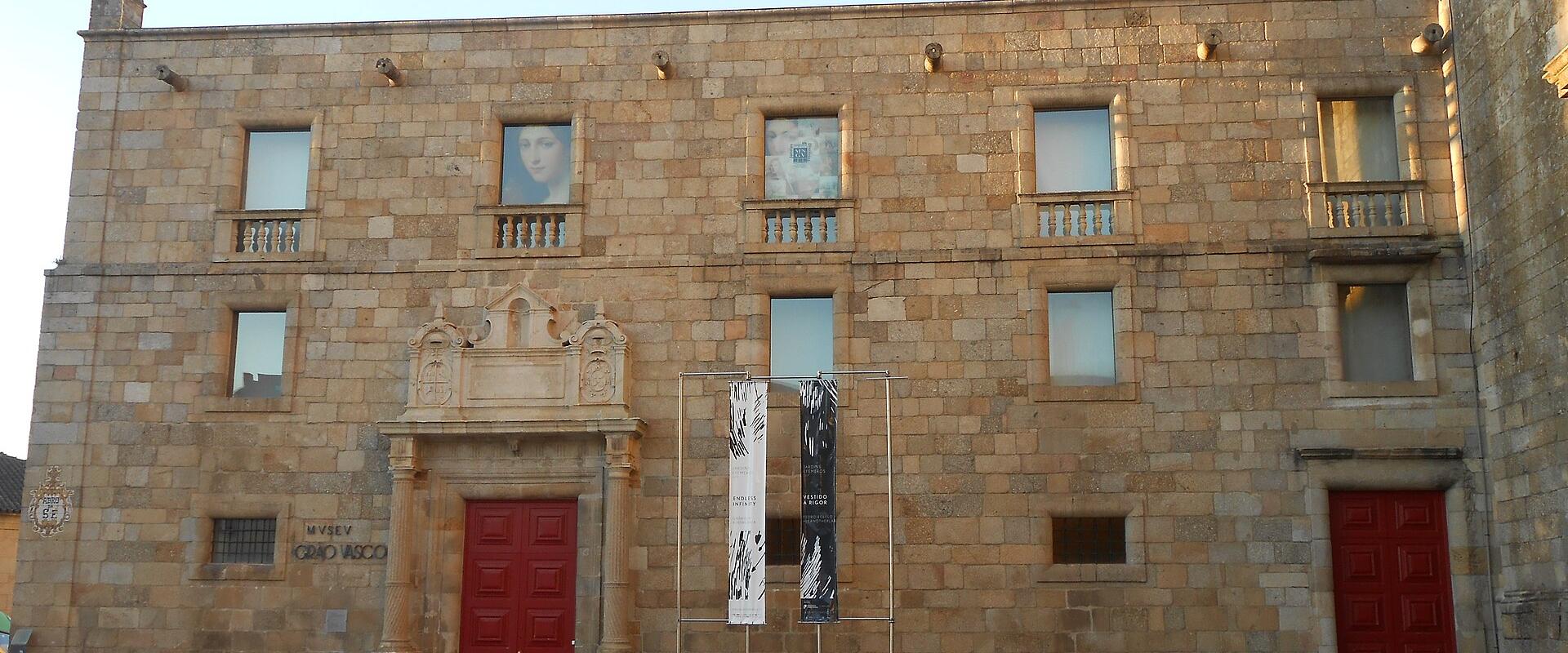
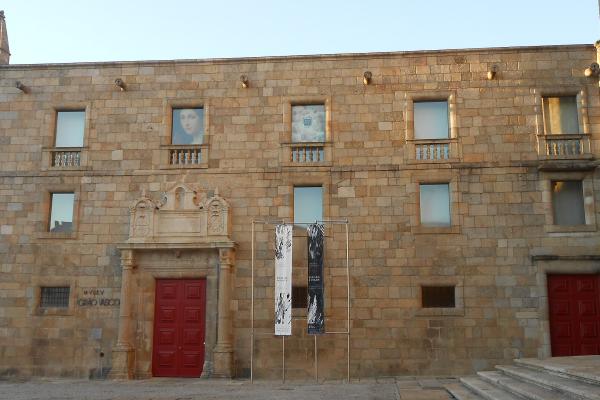
The Museu Nacional Grão Vasco is the main art museum of Viseu and one of the most important museums of old painting in Portugal. It stands beside the cathedral at the top of the old town, in a building that was once the bishop's palace, the Paço dos Três Escalões, a 16th-century structure of grey granite. The museum was founded in the early 20th century and takes its name from the painter Vasco Fernandes, known as Grão Vasco, the greatest artist of the Renaissance in the north of Portugal, who lived and worked in Viseu from around 1500 until his death in the 1540s. A modern renovation in the early 2000s adapted the old palace to the needs of a museum while keeping its character.
Grão Vasco's paintings are the highlight. Working in a style that combines the Flemish tradition of detailed realism with Italian influences, he and his workshop produced a series of large altarpieces for the cathedral and for churches in the region. Among the best-known are panels from the altarpiece of the cathedral, which was dismantled and whose paintings are now displayed in the museum, including scenes of the Calvary and of Saint Peter enthroned. They are notable for their rich colour, for their fine landscapes and architecture, and for the faces of the figures, which are expressive and individual. Other artists of the school, such as Gaspar Vaz and the Flemish-born Francisco Henriques, are also represented, and together the works show how a distinctive local style developed.
The collection goes beyond the Renaissance. There are Flemish and Portuguese paintings of other periods, sculptures in stone and wood, goldwork, ceramics, and furniture, and a gallery of 19th- and 20th-century Portuguese art, which gives a broader view of the country's painting. Rooms are arranged by period and school, and explanatory labels in Portuguese and English help to explain the background.
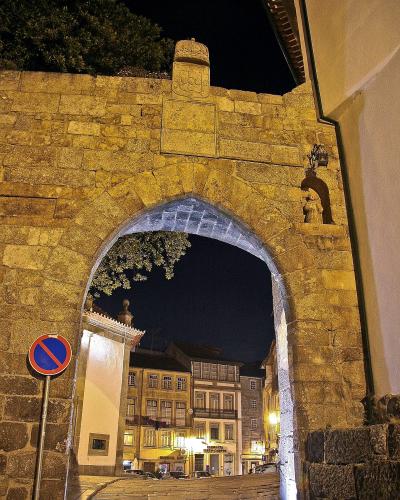
The museum sits next to the Sé de Viseu, the cathedral, with its Manueline vault of twisted stone ribs and its cloister, and the two can easily be visited together. The surrounding old town has narrow streets, small squares, and a statue of Viriato, the Lusitanian chieftain who is said to have been born near here. Viseu is also known for the wines of the Dão region, which can be tasted in the town.
Opening days are usually Tuesday to Sunday, with a break at midday, and prices and hours may change, so check before going. It suits art lovers, history readers, and anyone interested in Portuguese painting. Allow around one and a half hours.
Categories
More photos coming soon
Hours & Fees
Hours
Tuesday through Sunday, 10:00 AM to 1:00 PM and 2:00 PM to 6:00 PM
Admission
€10
Nearby Attractions
Other places to visit in Viseu
Frequently Asked Questions
Quick Facts
Best Time to Visit
Spring (April-June) and autumn (September-October) offer pleasant weather, vibrant parks, and ideal conditions for exploring Viseu’s historic center and wine region.