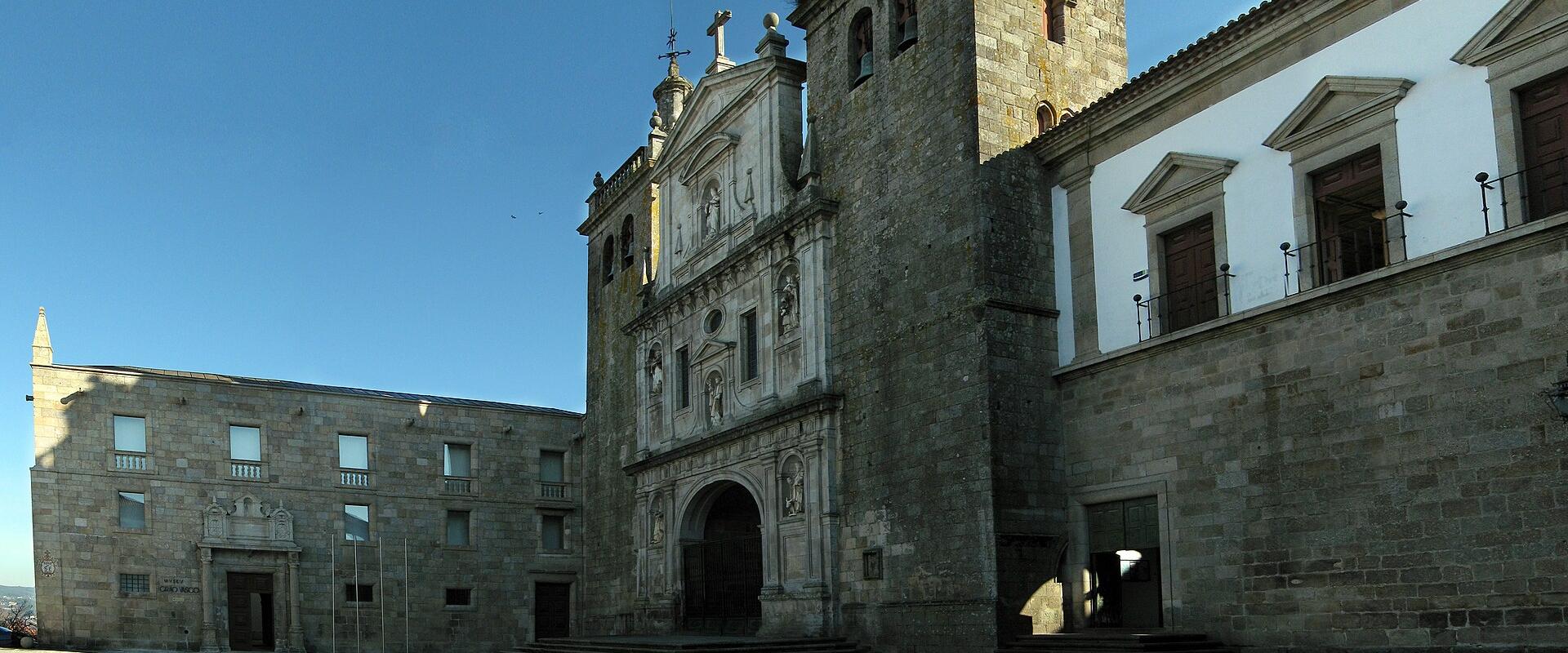
Sé De Viseu (Viseu Cathedral)
12th-century cathedral in Viseu's historic center
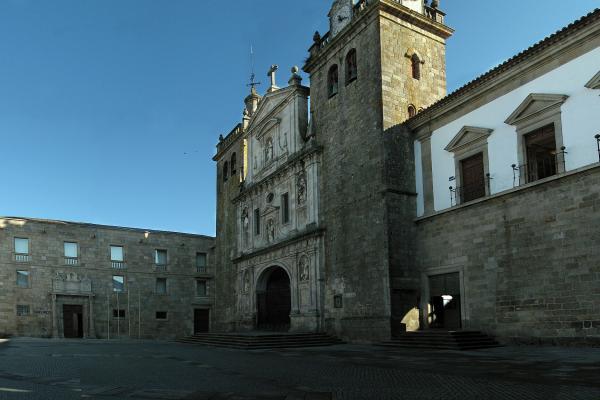
The cathedral of Viseu stands on the highest point of the old town, on a broad open square that is the centre of the city's historic quarter. The twin towers of its granite facade are visible from many streets, and the whole composition, with the cathedral at one end and other major buildings around the square, gives the Adro da Sé the feel of a stage. The Sé has been rebuilt many times, and what visitors see is a layering of styles from the Romanesque to the Baroque.
The site has been sacred for a long time, and the origin of the present building goes back to the 12th century, in the period when Afonso Henriques and his successors were establishing the new kingdom and re-founding its bishoprics. The earliest parts are Romanesque, solid and severe, with thick walls and small openings. Over the following centuries, the cathedral was enlarged and altered, and in the 16th century, a major rebuilding gave it its most famous feature, the vault of the nave and transept. The ribs of the ceiling twist and knot like ropes, a Manueline flourish that recalls the sailors' rigging of the Age of Discovery, and the effect is striking. A Renaissance cloister, in Italian style, with arcades of elegant proportions, was added at the same time.
Inside, the walls are decorated with Baroque gilded woodwork and with azulejo tiles, and a series of chapels line the aisles. The cathedral is a working church, and mass is held regularly, so visitors should respect services and dress modestly. A museum of sacred art occupies an upper floor and displays the cathedral's treasure: liturgical vestments, goldsmiths' work, choir books, reliquaries and sculpture, collected over centuries. The paintings that were once part of the cathedral's high altar, the work of Vasco Fernandes, known as Grão Vasco, and his circle, are held in the Grão Vasco Museum next door, where they can be viewed together with the artist's other works. Vasco Fernandes was the leading painter of the Viseu school in the early 16th century.
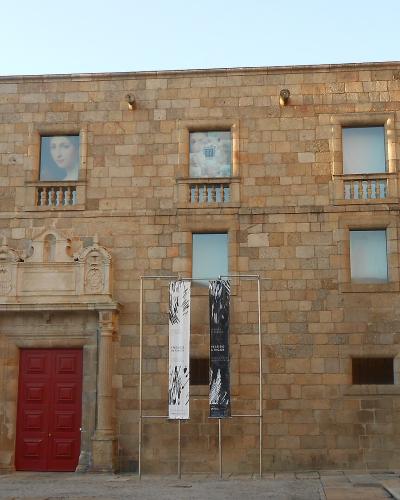
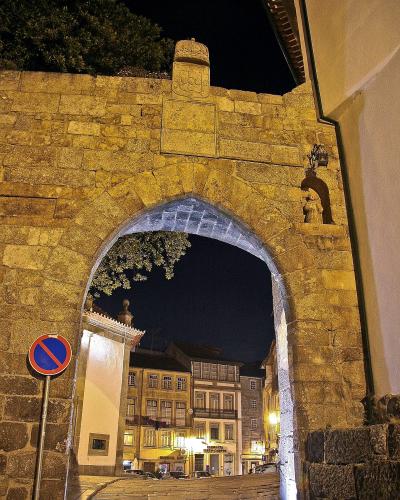
The square outside is lined with significant buildings. The Grão Vasco Museum occupies the former bishop's palace, and the white Baroque church of the Misericórdia faces the cathedral across the open space, its pure facade a contrast to the dark granite of the Sé. The setting is good for a moment of rest, with benches and views over the lower town. Narrow streets lead downhill to the Porta do Soar, a medieval gate, and other parts of the old centre.
The cathedral is open daily with a midday break, and the museum and cloister may require a small ticket. Visit in the morning, when the light on the facade is good and the square is quiet. A visit takes about an hour, or longer if you also see the museum. It suits anyone interested in medieval and Renaissance architecture or religious art.
Categories
More photos coming soon
Opening Hours
Hours
09:00–12:00 and 14:00–19:00
Nearby Attractions
Other places to visit in Viseu
Frequently Asked Questions
Quick Facts
Best Time to Visit
Spring (April-June) and autumn (September-October) offer pleasant weather, vibrant parks, and ideal conditions for exploring Viseu’s historic center and wine region.