






Historic Old Town Of Coimbra
Medieval streets and Portugal’s oldest university
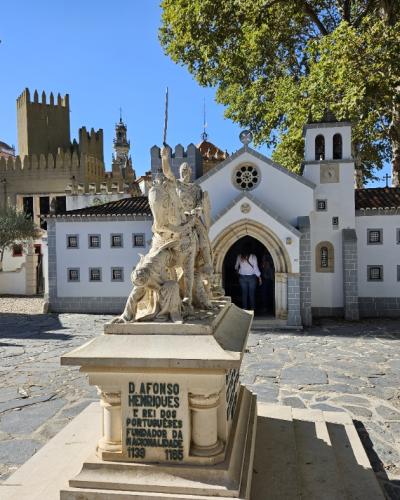
Coimbra's old town climbs a steep hill beside the Mondego, and it divides naturally into two parts, the Baixa, or lower town, and the Alta, the upper town where the university stands. The city has deep roots. It was the Roman Aeminium, then a Moorish and later a Christian town, and for over a century in the Middle Ages, from 1131 to 1255, it was the capital of the new Portuguese kingdom. Afonso Henriques, the first king, and his son Sancho I are buried in the monastery of Santa Cruz in the Baixa, which makes the lower town the place where the country's history is most directly felt.
The Baixa is the working part of the old town, with narrow pedestrian streets such as Rua Ferreira Borges and Rua Visconde da Luz lined with small shops, pastry shops, and cafés. It has a practical, lived-in atmosphere. The Mercado Municipal, with its fruit, vegetables, fish, and local cheeses, is a hub of daily life, and nearby side streets hold small restaurants serving traditional dishes, including bacalhau and roast goat. The monastery of Santa Cruz, with its richly decorated church and tombs, stands on the main square, and a café in a former church building next door is a popular place for coffee. The area has echoes of Arab influence in its labyrinth of lanes and in the Almedina gate, whose name comes from the Arabic for town.
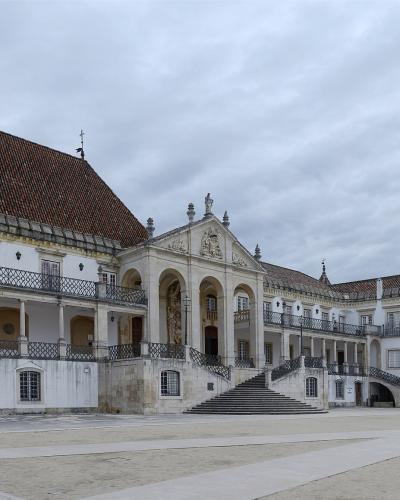
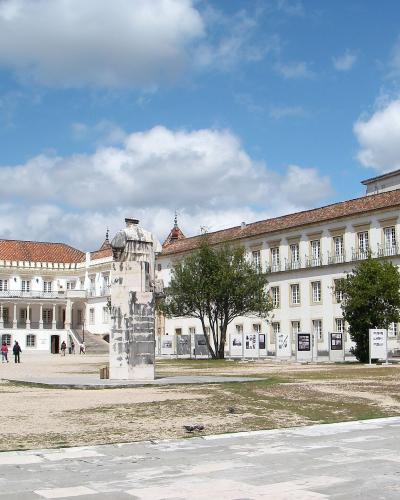
A climb up steep lanes and steps, such as the Quebra-Costas, whose name means back-breaker, leads to the Alta. This part of town was historically the more privileged, within the walls, and it is dominated today by the university and the old cathedral. Students in black academic capes are part of the scene, and traditions such as the end-of-year Queima das Fitas in May fill the streets with parades.
Coimbra is also the home of a distinct form of fado, sung traditionally by male students and graduates, more formal and poetic than the Lisbon style. Small venues in the old town, including a club set in a former chapel, offer evenings of music, and serenades are performed in public squares on special occasions.
The old town is best explored on foot, with comfortable shoes and time to wander. It suits history readers, students, music lovers, and anyone who likes lively old streets. Allow a full day to enjoy the main sights and to see the town at different hours.
More photos coming soon
Nearby Attractions
Other places to visit in Coimbra
Frequently Asked Questions
Quick Facts
Best Time to Visit
Spring (March-May) and autumn (September-October) offer warm, pleasant weather and vibrant city life for exploring Coimbra’s historic sites and gardens.