Paço Das Escolas
Historic university complex with a Baroque library
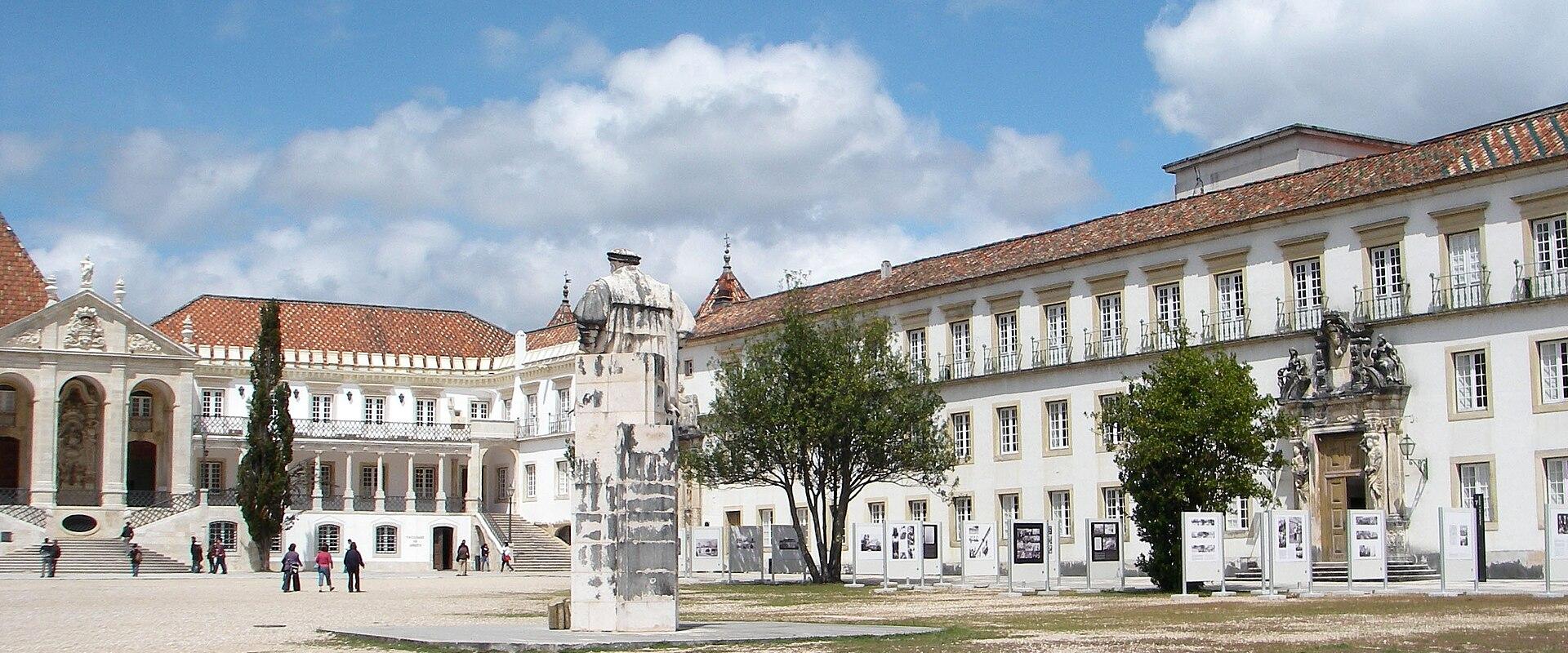
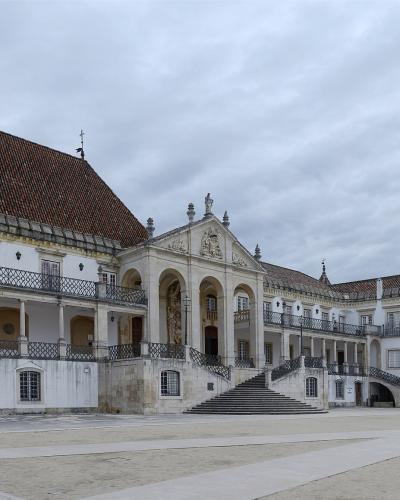
Paço das Escolas stands as the majestic heart of the University of Coimbra, one of Europe’s oldest academic institutions. Located on the city’s highest ground, this historical complex originally served as a royal palace during the 12th to 14th centuries when Coimbra was the capital. In 1537, the site transitioned to its current role as the university’s administrative and ceremonial center. Visitors entering through the Pátio das Escolas courtyard encounter a stunning blend of Gothic, Manueline, Renaissance, and Baroque architectural styles.
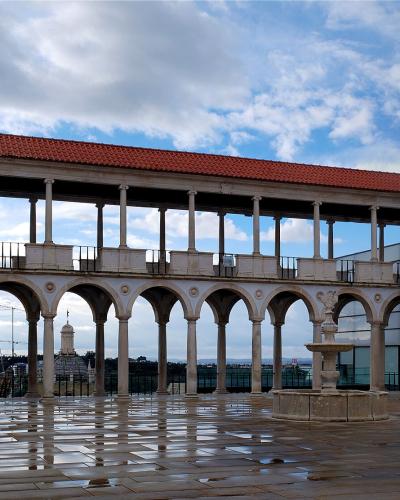
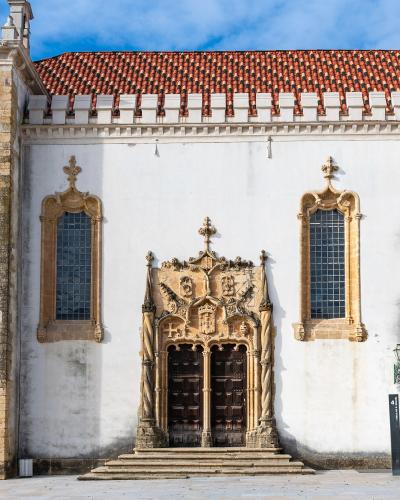
The expansive courtyard features the Via Latina, a long gallery with Tuscan-style arches built during the reign of King João III. The main entrance, known as the Porta Férrea, displays distinct Mannerist style and is flanked by two towers. Inside the complex, travelers can explore the world-famous Joanina Library, renowned for its luxurious interiors, and the ancient St. Michael’s Chapel. The chapel showcases intricate Manueline craftsmanship, Moorish influences, an ornate wooden ceiling, tiled walls, and a grand organ.
The University Tower offers panoramic views of the city, providing a rewarding perspective of the historic landscape. As a functioning university, the site remains a living cultural symbol where centuries-old academic traditions continue. While it serves as a major tourist attraction, it is primarily an active educational institution rather than a standalone museum. Exploring the precinct allows visitors to witness the intersection of royal history and scholarly heritage, surrounded by open courtyards and historic buildings that have withstood centuries of architectural modifications and historical shifts.
Categories
More photos coming soon
Nearby Attractions
Other places to visit in Coimbra
Frequently Asked Questions
Quick Facts
Best Time to Visit
Spring (March-May) and autumn (September-October) offer warm, pleasant weather and vibrant city life for exploring Coimbra’s historic sites and gardens.