





Coimbra University
One of Europe’s oldest universities and UNESCO site
The University of Coimbra is the oldest university in Portugal and one of the oldest in Europe. It was founded in 1290 by King Dinis, first in Lisbon, and it moved between Lisbon and Coimbra several times before settling permanently in Coimbra in 1537, when King João III installed it in the royal palace on the hill. UNESCO inscribed the university's historic buildings, together with the streets of the surrounding Alta and Sofia districts, on the World Heritage List in 2013.
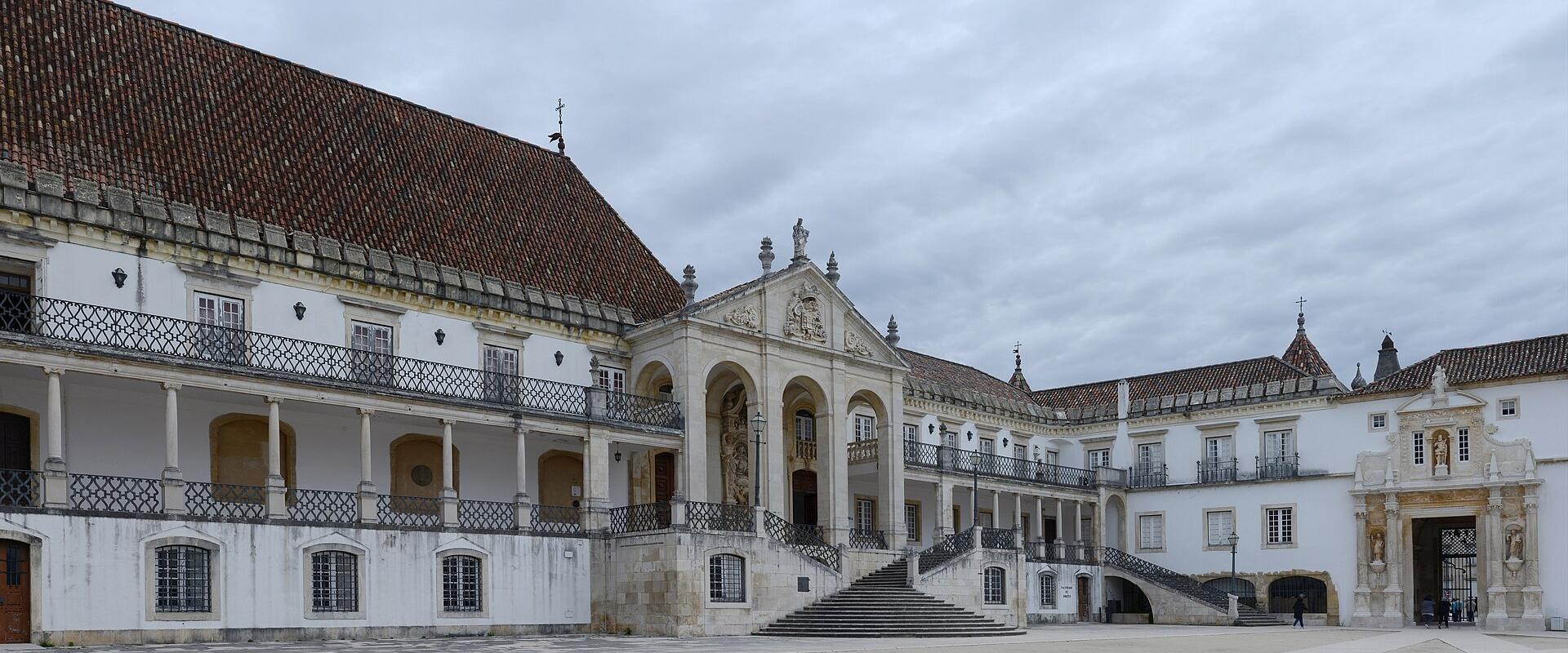
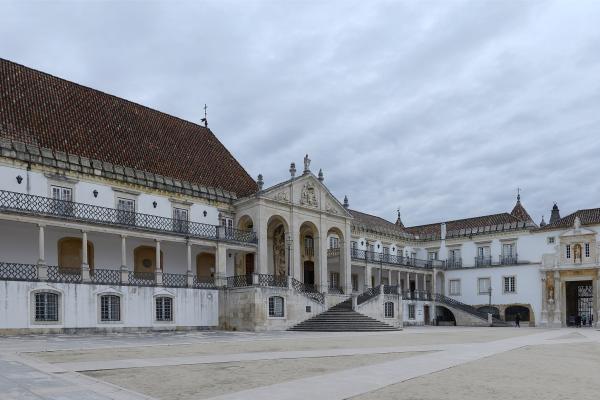
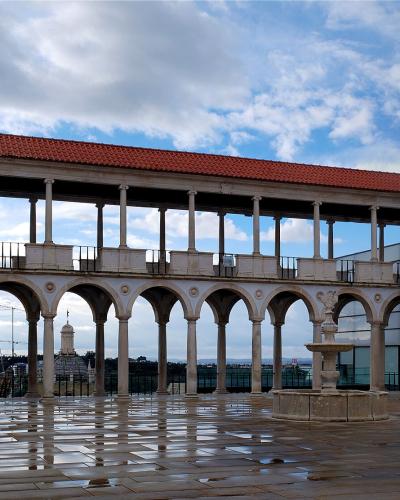
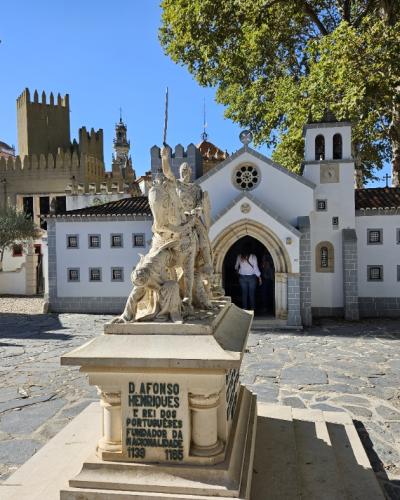
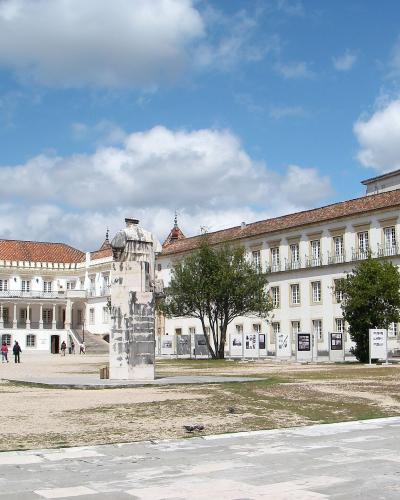
The centre of the campus is the Pátio das Escolas, a large open courtyard with views over the city and the Mondego river, entered through the Porta Férrea, the Iron Gate. A statue of King João III stands in the yard, and the tall Baroque bell tower, built in the 18th century, rises over it. The students call the tower's bell the goat, and for generations it marked the rhythm of the academic day. The surrounding buildings include the old royal rooms, now used for ceremonies and exams, and many of them retain the grandeur of the time when kings lived here.
The most famous sight is the Biblioteca Joanina, built in the early 18th century under King João V. Its three connected halls are covered in gilded woodwork and painted ceilings, and the shelves rise to the roof, holding tens of thousands of old volumes. A well-known detail is that bats live behind the shelves and come out at night to eat insects that might damage the books, and the tables are covered with cloths at the end of the day to protect them. Photography is restricted, and the number of visitors at one time is controlled, so booking is advisable.
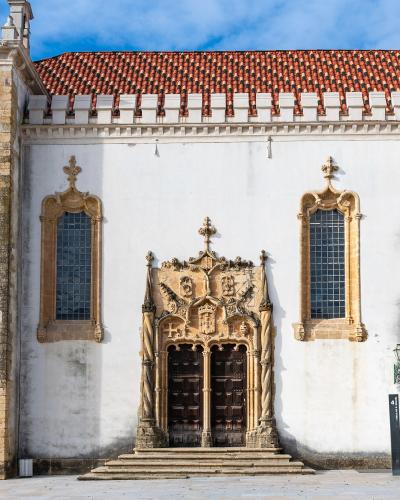
The Capela de São Miguel is another highlight, with its rich gilded carving, tile panels, painted ceiling, and a big Baroque organ. The Sala dos Capelos, the old throne room, is hung with portraits of Portuguese kings and used for solemn academic ceremonies. The university also has a museum, including a cabinet of curiosities in the former Jesuit college, with scientific collections.
Student life is part of the experience. Graduates wear black capes, ancient songs and rituals continue, and the Queima das Fitas in May is one of the biggest student festivals in the country.
The university suits history readers, book lovers, architecture enthusiasts, and families with older children. Book tickets in advance, arrive early, and allow at least half a day.
More photos coming soon
Nearby Attractions
Other places to visit in Coimbra
Frequently Asked Questions
Quick Facts
Best Time to Visit
Spring (March-May) and autumn (September-October) offer warm, pleasant weather and vibrant city life for exploring Coimbra’s historic sites and gardens.