

Machado De Castro Museum
Roman cryptoporticus beneath historic Bishop’s Palace
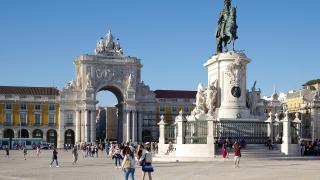
The Museu Nacional de Machado de Castro is one of the most important museums in Portugal outside Lisbon, and it combines a fine collection with a setting that goes back two thousand years. It stands on the hill of Coimbra's upper town, beside the Sé Velha, and it is named after Joaquim Machado de Castro, the sculptor born in the city in 1731 who became a leading figure in the Portuguese Baroque and neoclassical periods and made the equestrian statue of King José in Lisbon's Praça do Comércio.
The building was the palace of the bishops of Coimbra, constructed over the remains of the Roman forum of the town, then called Aeminium. Under the palace lie the cryptoporticus galleries, a series of vaulted, semi-underground corridors dating from the 1st century AD that supported the forum above. Walking through them is a remarkable experience: the cool, echoing stone tunnels are large, well preserved, and strangely quiet, and they give a sense of Roman engineering in a way few sites in Portugal can. They are also home to a small display of Roman objects.
The collection upstairs is wide in time and range. It is strongest in sculpture, painting, goldsmith work, ceramics, and textiles, and much of it came from monasteries, churches, and university colleges of the region after the religious orders were dissolved. Among the best-known works are the life-size terracotta group of the Last Supper by the French sculptor Philippe Hodart and the Entombment of Christ by Jean de Rouen, both from the Renaissance and both striking for their expressive figures. Medieval sculpture, Flemish and Portuguese painting, and rich church silver complete the picture.
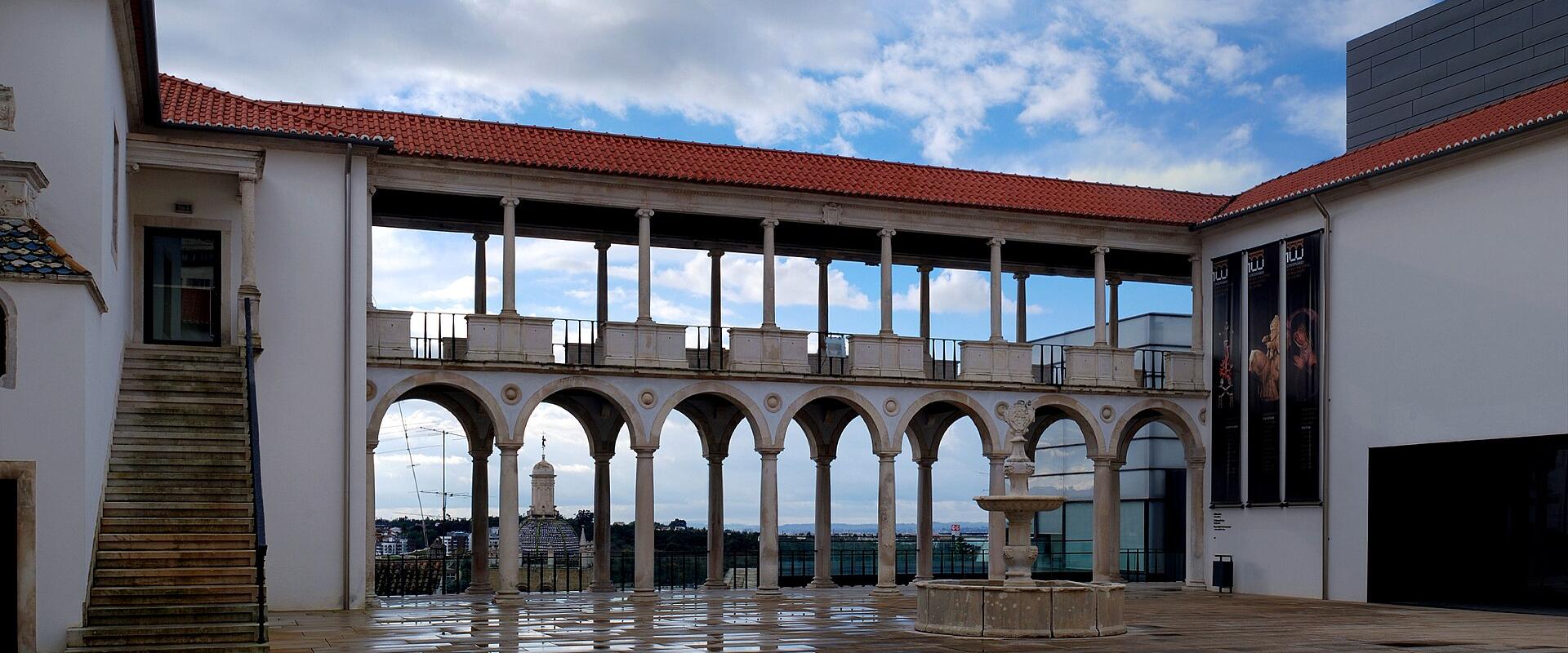
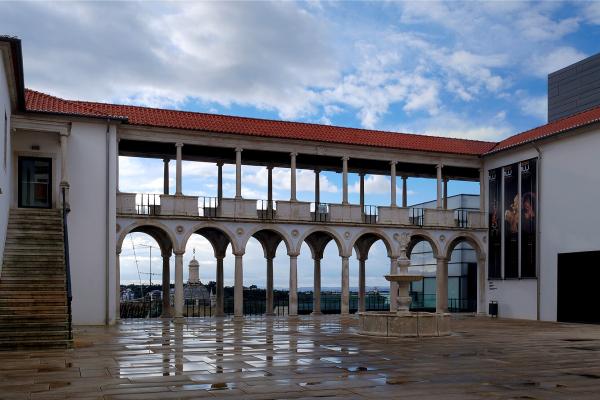
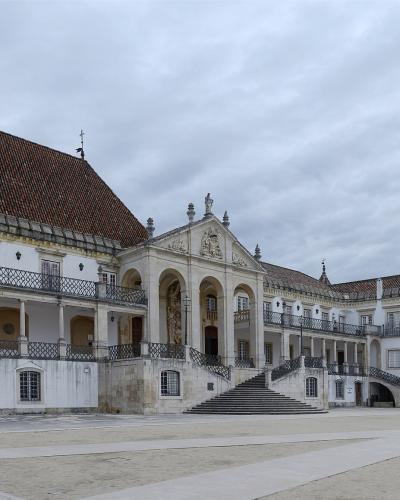
The museum was renovated and extended in the early 2010s by the architect Gonçalo Byrne and João Mendes Ribeiro, who joined the old palace with a modern wing in a way that respects the historic structure and opens a terrace with views over the lower town and the Mondego river. The museum is close to the old university, the Biblioteca Joanina, and the cathedral, so it fits naturally into a day on the hill.
It suits art and history lovers, architecture enthusiasts, and anyone who enjoys a cool refuge on a hot day. Allow around two hours, and check current opening times and prices before visiting.
Categories
More photos coming soon
Nearby Attractions
Other places to visit in Coimbra
Frequently Asked Questions
Quick Facts
Best Time to Visit
Spring (March-May) and autumn (September-October) offer warm, pleasant weather and vibrant city life for exploring Coimbra’s historic sites and gardens.