
John Dos Passos Cultural Center
Literary center in a 19th-century building
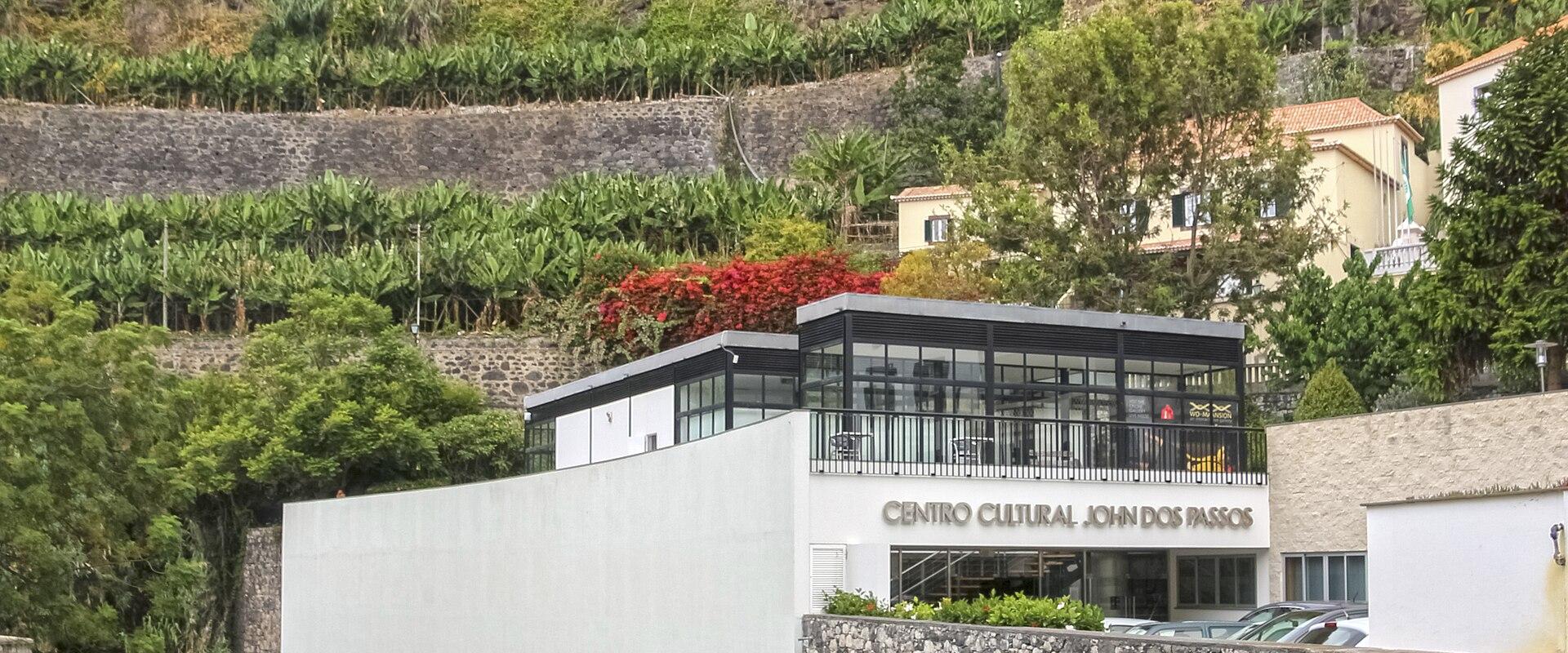
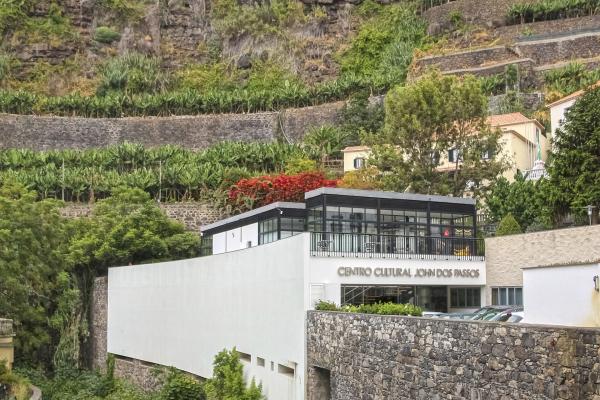
Ponta do Sol, a sunny town on Madeira's south coast, has an unexpected literary connection, and the John dos Passos Cultural Centre is where it is told. John Dos Passos, one of the great American novelists of the 20th century, was the grandson of an emigrant from this part of Madeira, and he came to think of the island as the origin of his family. The centre, housed in a 19th-century building in the old town, keeps his memory alive and works as a cultural venue for the town.
Dos Passos was born in Chicago in 1896, the son of a lawyer of Portuguese descent, and became known for his experimental, panoramic novels of American life. Manhattan Transfer, published in 1925, a collage of lives in New York, and the three novels of the U.S.A. trilogy, which mixed fiction, newspaper headlines, biographies and autobiographical passages in a way that was new at the time, placed him among the leading writers of his generation. He was also a political thinker, a traveller and a painter, and he wrote on many subjects, from the Spanish Civil War to the history of Portugal. His paternal grandfather had left Madeira for the United States, and the writer grew curious about the family's roots, travelling to the island in 1960 and visiting Ponta do Sol, where his ancestors had lived. He later wrote about Portugal and its history in a book titled The Portugal Story, published in 1969.
The centre honours this link with a permanent exhibition devoted to his life and work, with photographs, books, documents and personal items that tell the story of his journeys and his ties with Madeira. There is a small library, reading spaces, and rooms for temporary exhibitions of art and photography by local and visiting artists. The centre also hosts events, among them talks, concerts and conferences, and an annual symposium dedicated to the writer has brought scholars together. The building is equipped with lifts and ramps, making it accessible to visitors with reduced mobility.
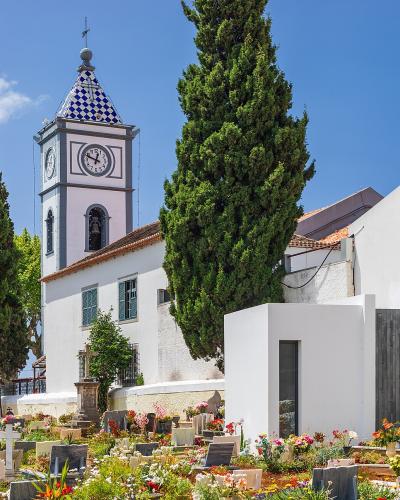
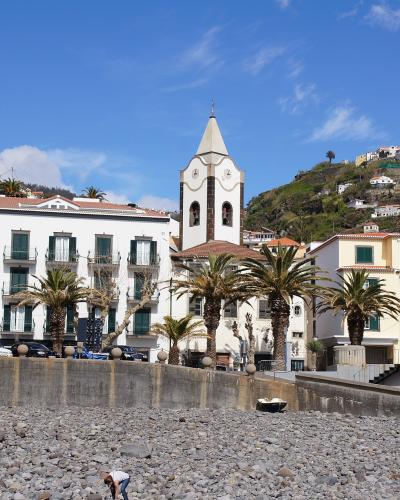
The centre is a short walk from the church of Nossa Senhora da Luz, the pebble beach and the small harbour, so it fits naturally into a stroll around the town. Ponta do Sol has its own history as one of the first sugar-producing areas of the island, and its old streets and seafront restaurants are pleasant. A visit takes about an hour. Check opening hours locally, as they vary and the centre may be closed on some days.
It suits readers, those curious about emigration and family ties across the Atlantic, and travellers who like to combine culture with a quiet seaside town. You do not need to have read Dos Passos to enjoy it, though a taste of his writing makes the visit more rewarding.
Categories
More photos coming soon
Nearby Attractions
Other places to visit in Ponta do Sol
Frequently Asked Questions
Quick Facts
Best Time to Visit
Early July to mid-September offers the sunniest, warmest weather for beach and outdoor activities, but Ponta do Sol is pleasant year-round.