José Franco Museum Village
Open-air museum of traditional Saloia culture and pottery
The José Franco Museum Village, in the village of Sobreiro between Mafra and Ericeira, is a small, charming open-air attraction created by a local potter to preserve the traditions of the Saloio people. The Saloios were the farmers and bakers of the countryside around Lisbon, who supplied the capital with bread, vegetables, fruit and wine for centuries, and who developed a distinctive culture of their own, with characteristic costumes, houses and crafts. The village keeps that world alive in miniature.
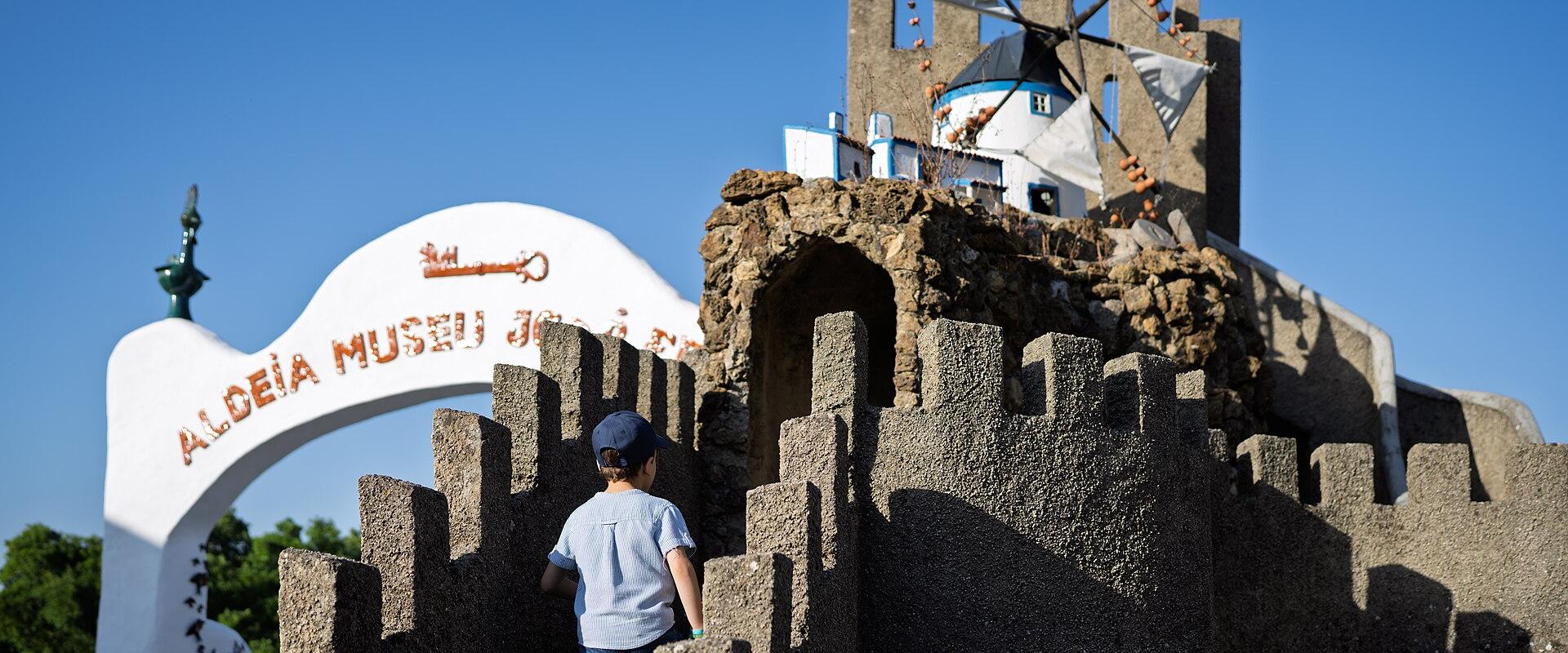
José Franco was a ceramic artist from Sobreiro who began building the village in the second half of the 20th century, driven by a desire to record the trades and daily life he had seen in his youth. Over the years, the project grew into a complex of small buildings along stone-paved lanes, each reproducing a workshop or shop: a blacksmith, a carpenter, a barber, a cobbler, a school and a bakery, among others. Many are in miniature, and some have moving figures or mechanical parts, which give them a playful, storybook quality. The pottery workshop is a central part, and visitors can see traditional ceramics being made and look at the artist's own works, many in the form of animals and human figures with humorous expressions.
The village is dominated by a windmill, a reminder that the region around Sobreiro was once dotted with mills that ground the grain for the bread of Lisbon. A bakery, using traditional wood-fired ovens, produces bread and sweets, and a restaurant serves regional dishes in a rustic setting. The grounds have been designed with families in mind: there is a playground, a castle wall that children can climb, and a small farm with sheep, goats, chickens and rabbits. Children usually spend more time than adults expect, as there are many corners to explore.
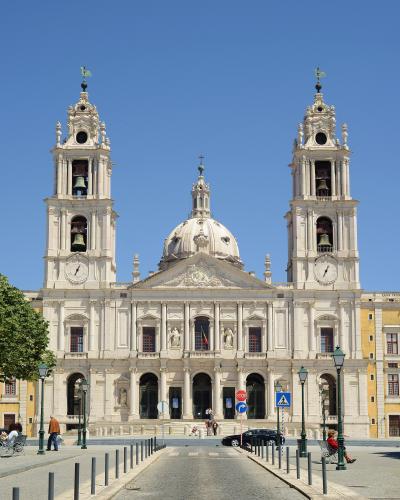
The village is also a good introduction to the culture of the Mafra region. The Mafra National Palace and Convent, one of the largest and most impressive Baroque buildings in Portugal, lies a few minutes away, with its basilica, library and long corridors. The surfing town of Ericeira, with its fishing harbour and beaches, is a short drive in the other direction. Visitors who combine the village with these sights can see a good cross-section of life in the area, from royal grandeur to rural crafts.
Opening times and admission details may vary with the season, and the village has sometimes had special events, such as markets and festivals, so it is wise to check before visiting. Allow around two hours. It is best in dry weather, when the outdoor areas can be enjoyed, and in the spring and autumn, when it is pleasant to walk. The village suits families with children, craft lovers and anyone who enjoys folk traditions.
Categories
More photos coming soon
Nearby Attractions
Other places to visit in Mafra
Frequently Asked Questions
Quick Facts
Best Time to Visit
Mid-June to mid-September offers warm, sunny weather for palace visits, hiking, and beaches; spring and autumn are pleasant with fewer crowds.