Mafra
Royal palace town with UNESCO monastery and surf beaches
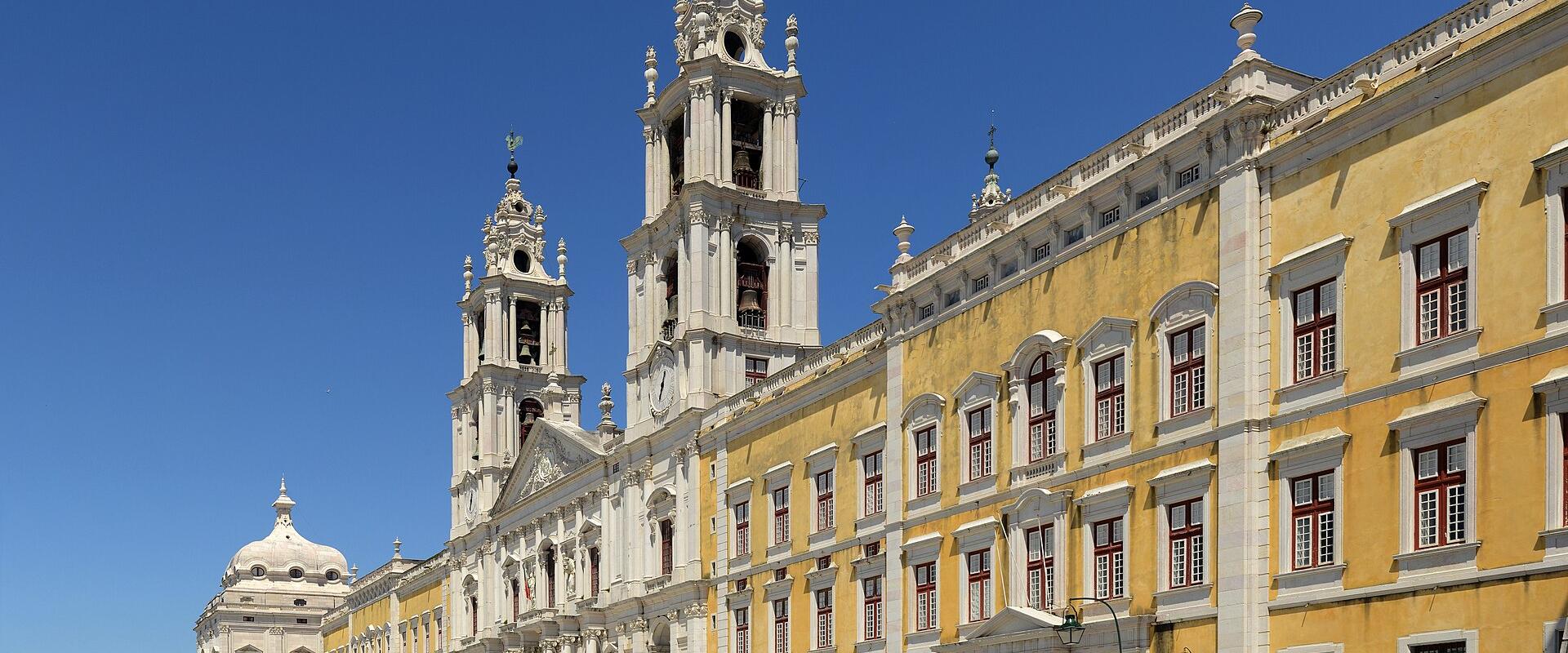
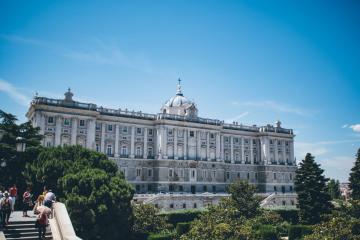
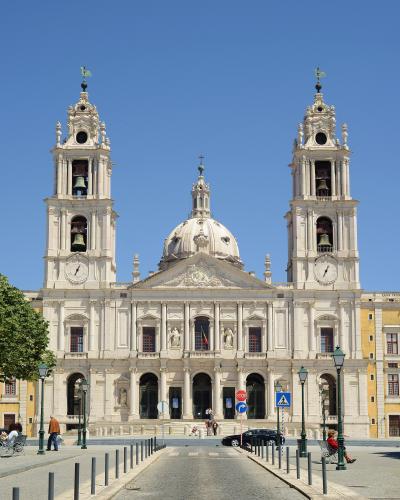
Mafra’s story is inseparable from its most iconic landmark—the Palácio Nacional de Mafra. Commissioned by King João V in the 18th century as a symbol of royal power and religious devotion, the palace-monastery is one of Portugal’s largest and most impressive buildings. Its vast façade stretches over 220 meters, encompassing a basilica with twin bell towers, a royal palace with hundreds of rooms and a monastery that once housed over 300 monks. The palace’s Rococo library is a highlight, home to more than 36,000 rare books and manuscripts, while the basilica’s six organs and carillon of 92 bells are unique in the world. The building was financed by gold and diamonds arriving from Brazil, and construction employed many thousands of workers. José Saramago’s novel Memorial do Convento, which tells the story of its construction through the lives of ordinary people, is the best-known literary work set here.
The town of Mafra itself is a pleasant blend of history and modern life. The central square, Praça da República, is lined with cafes and shops, and the surrounding streets are filled with traditional pastelarias serving local pastries such as fradinhos and pão de ló. The Tapada Nacional de Mafra, a former royal hunting ground, is now a protected park where visitors can hike, cycle or join wildlife tours to spot deer, wild boar and birds of prey. The walled park covers hundreds of hectares of oak and cork woodland and is a pleasant contrast to the grandeur of the palace.
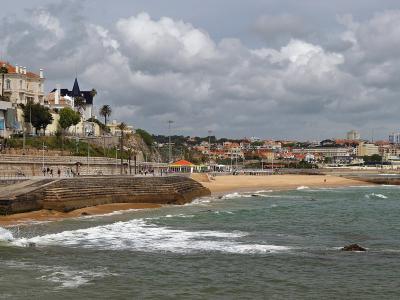
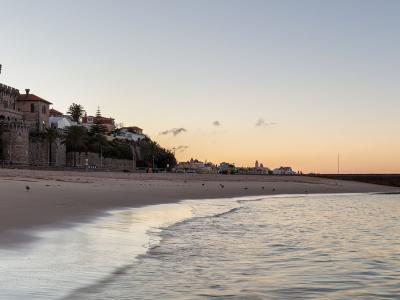
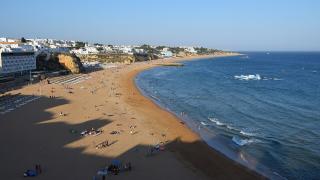
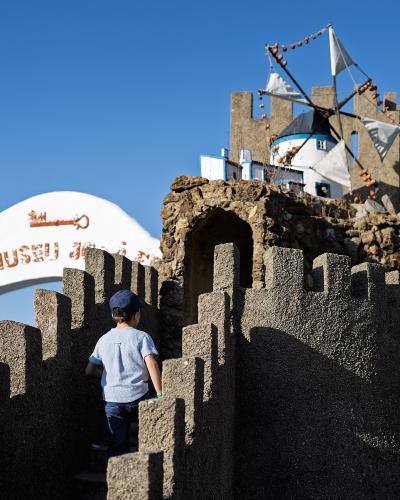
Mafra’s cultural scene includes the Music Museum, housed in a former palace, and regular concerts and festivals held in the palace and town. The basilica’s organs and carillon are played in concerts that make the most of the building’s extraordinary acoustics. The nearby village of Ericeira is a world-famous surf destination, with golden beaches, dramatic cliffs and a lively seaside atmosphere; it was the first place in Europe to be named a World Surfing Reserve. Ericeira’s seafood restaurants, surf schools and beach bars attract visitors year-round, while the coastal trails offer wide views of the Atlantic. The José Franco Museum Village in Sobreiro, a recreated traditional village with working crafts, is a favorite stop for families.
Outdoor activities abound in the Mafra region. The Tapada’s extensive network of trails is ideal for walking, running and mountain biking, while the surrounding countryside is dotted with vineyards and rural estates offering wine tastings and farm experiences. The area’s historic windmills, forts and churches provide further opportunities for exploration.
Getting to Mafra is easy, with the town located about 40 kilometers northwest of Lisbon and accessible by car, bus or organized tour. The drive from Lisbon takes about 40 minutes, and there is ample parking near the palace. Accommodation options range from boutique hotels and rural guesthouses to surf lodges and modern apartments.
The best time to visit Mafra is from mid-June to mid-September, when the weather is warm and suited to exploring the palace, hiking in the Tapada and enjoying the beaches. Spring and autumn offer mild temperatures and fewer crowds, while winter is quieter and well suited to cultural visits and cozy meals. For the grandeur of the palace, the waves of Ericeira and the tranquility of the countryside, Mafra offers a memorable and multifaceted Portuguese experience.
Best Time to Visit
Mid-June to mid-September offers warm, sunny weather for palace visits, hiking, and beaches; spring and autumn are pleasant with fewer crowds.
Plan Your Visit to Mafra
Essential travel tips and information for your trip to Mafra.
Suggested Itineraries
Travel Tips
Currency
EUR • Cards widely accepted
Language
Portuguese • English in tourist areas
WiFi
Free WiFi in cafes and hotels
Explore Mafra by Interest
Discover attractions and experiences in Mafra organized by your interests and travel preferences.
All attractions in Mafra
Sorted by our recommendation score
Quick Facts
Book your stay
Frequently Asked Questions
More destinations in Lisbon Metropolitan Area
Explore other amazing places in the Lisbon Metropolitan Area region