
Local Churches
13th-century church within Castelo de Vide's walls
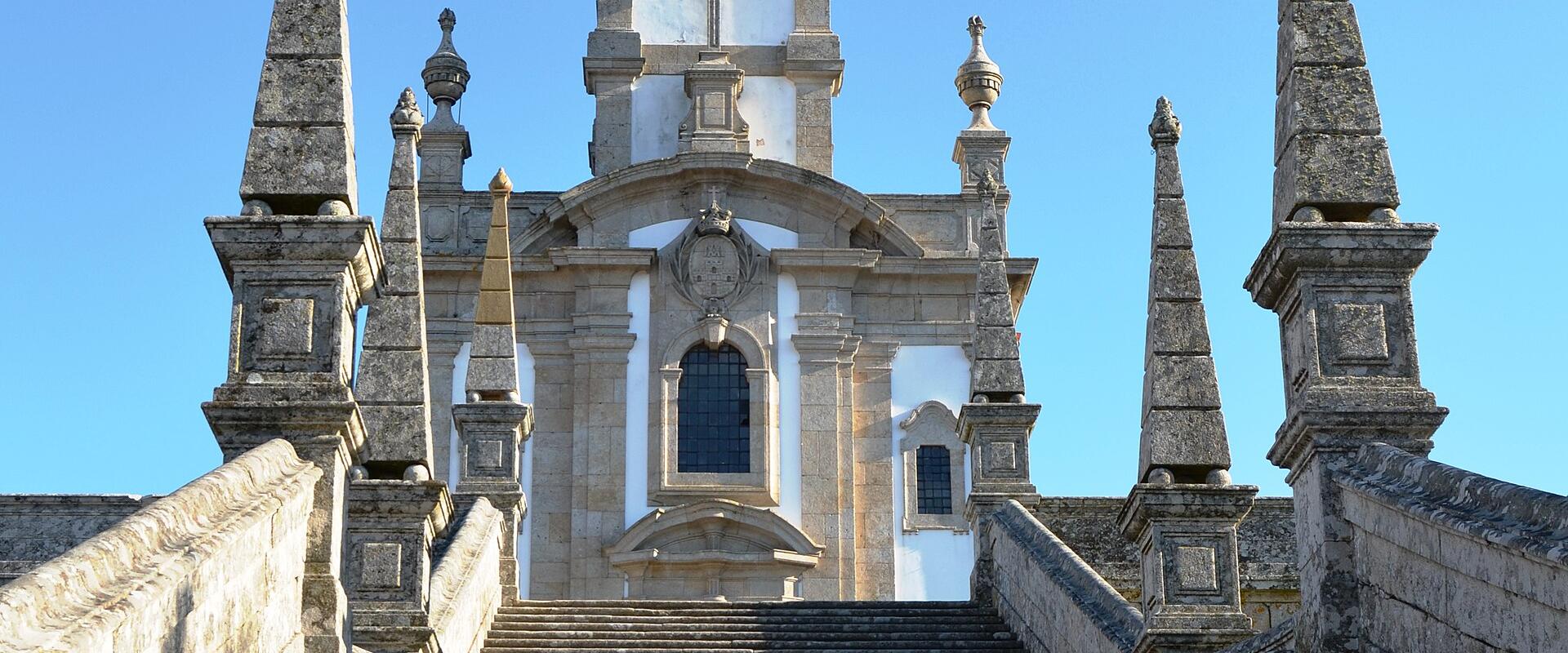
Castelo de Vide is a hill town in the Alto Alentejo, a place of whitewashed houses, narrow lanes and fountains, and its churches reflect the quiet, close-knit character of the community. They are not grand monuments of the kind found in the large cities, but they are places where you can see how an ordinary Portuguese town has expressed its faith over the centuries, from the Middle Ages to the Baroque.
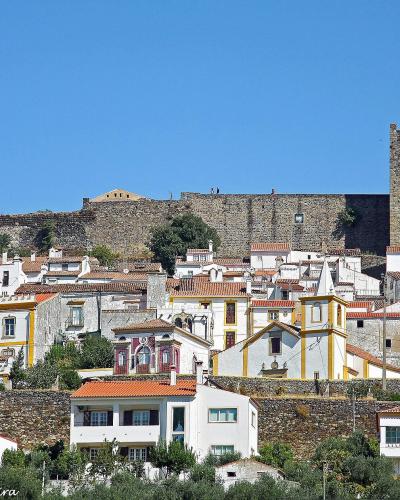
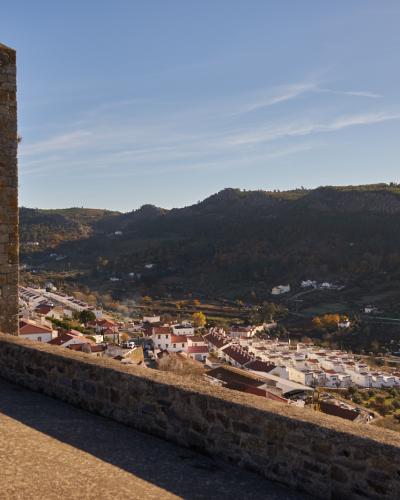
One of the oldest is the church inside the castle walls, the Igreja de Nossa Senhora da Alegria, which stands within the fortified enclosure on the hilltop above the town. The castle was built in the 13th and 14th centuries, in the time of King Dinis, to guard this frontier district, and the church was built within its protection for the garrison and the villagers who took shelter there. Its plain, solid form is typical of medieval fortress chapels, and the setting, with the walls and the keep around it, gives it a powerful sense of age. From the castle terrace, the view takes in the tiled roofs of the town and the hills beyond.
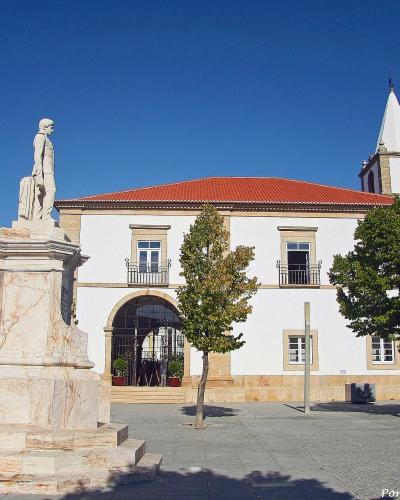
In the town below, the main parish church, the Igreja Matriz, known as Santa Maria da Devesa, stands on the central square, the Praça Dom Pedro V, and its Baroque form reflects the rebuilding of the 18th century. Its interior has painted ceilings, carved and gilded altars and tiles, and it is the natural place to begin a visit. The square around it is lively, with cafes, the town hall and a pillory, and nearby stands the Fonte da Vila, a fountain of the 16th century with a canopy of columns, one of the best-known of the many springs in the town. Castelo de Vide is famous for its natural spring water, and its fountains have long been meeting places.
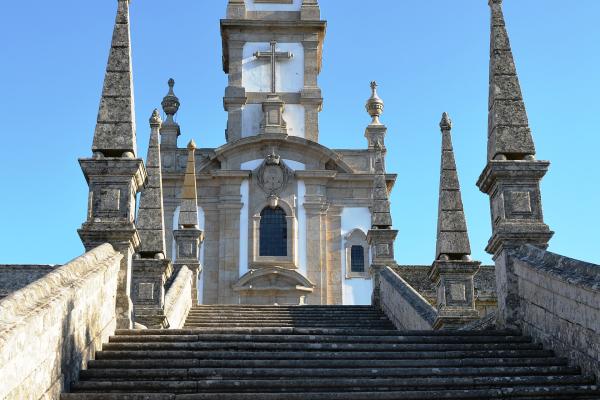
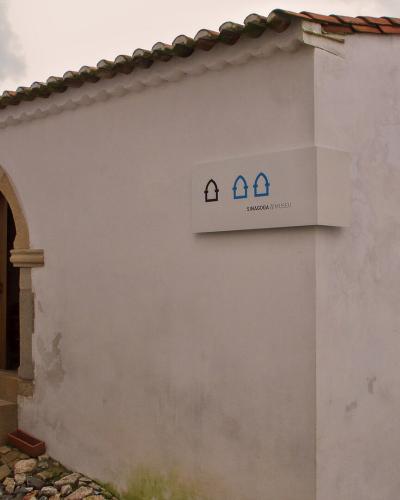
On a hill outside the town, the sanctuary of Nossa Senhora da Penha, a small chapel on a rocky height, offers views over the countryside and is the destination of a local pilgrimage. Other chapels and small churches are scattered through the lanes, and in the old Jewish quarter, the medieval synagogue, one of the oldest in Portugal, recalls the town's Jewish community, who settled here in the Middle Ages and gained prominence before the expulsions at the end of the 15th century. It has been restored as a museum and is a good counterpoint to the churches.
Most churches are open only at set times, usually around services, and some are open in the afternoon, so check at the tourist office. Dress modestly and keep quiet. Wear comfortable shoes for the steep cobbles. Summers are hot, so visit in the morning or late afternoon. The churches suit those interested in small-town history and architecture, and they are best combined with a walk through the old quarter.
Categories
More photos coming soon
Nearby Attractions
Other places to visit in Castelo de Vide
Frequently Asked Questions
Quick Facts
Best Time to Visit
Spring (March-May) and autumn (September-November) offer mild weather and lush scenery, ideal for exploring and outdoor activities.