
Moorish Mosque (Former)
Only surviving medieval mosque in Portugal
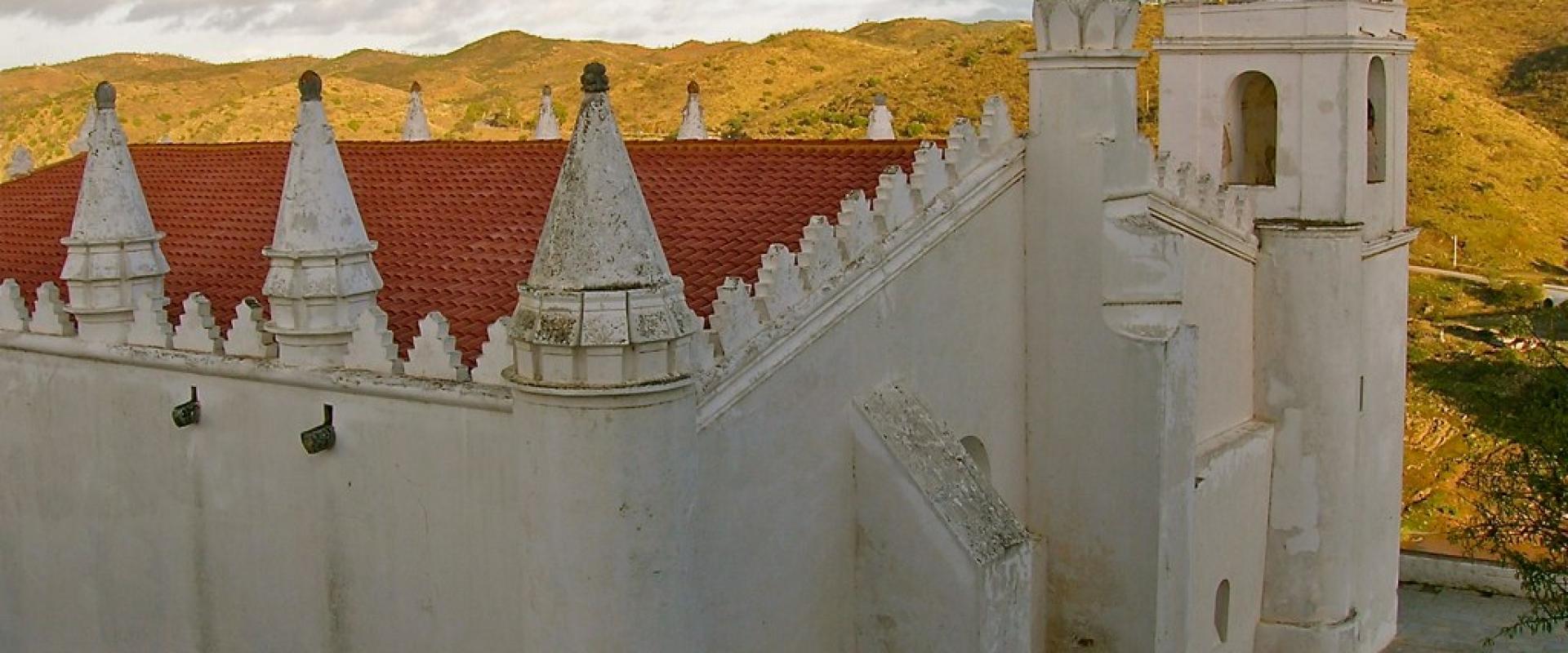
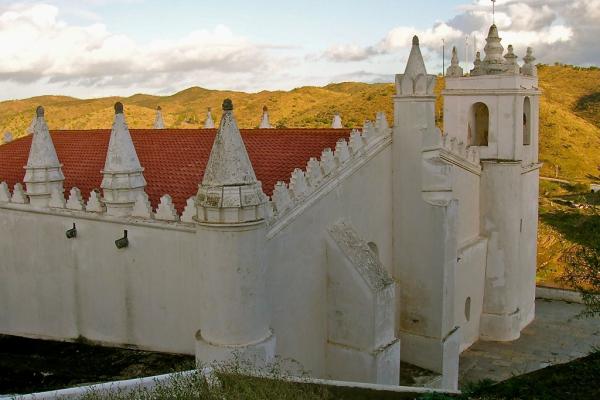
The former mosque of Mértola is the most complete survivor of its kind in Portugal, a building that has been a place of worship for more than eight centuries and for most of that time as a church. It stands on the hilltop of the old town, close to the castle and above the point where the Oeiras stream joins the Guadiana, in the Baixo Alentejo. Today, it is the parish church, formally the Igreja Matriz, and it is the centrepiece of the town's claim to be a vila museu, a town-museum.
Mértola had been an important river port since Roman times, and under Muslim rule it became a regional centre of some significance, known to the Arabs as Mirtilis. The mosque is generally dated to the Almohad period in the 12th century. After the town was taken by Christian forces in 1238, led by the Order of Santiago, the building was consecrated as a church. Rather than demolish it, the new owners adapted it, and that decision is the reason it has survived.
From the outside, the church seems plain, with thick whitewashed walls, a stepped parapet and a Manueline-style doorway added in the 16th century. The surprise is inside. The plan is almost square, with five naves divided by rows of columns and horseshoe arches, so that the interior feels like a forest of pillars. The ceilings are vaulted in brick and the proportions are low and intimate. In the east wall, the mihrab, the prayer niche that marked the direction of Mecca, still survives, an unusual survival that confirms the building's origin. There are also later Christian additions, such as altars and a pulpit, which sit within the older structure.
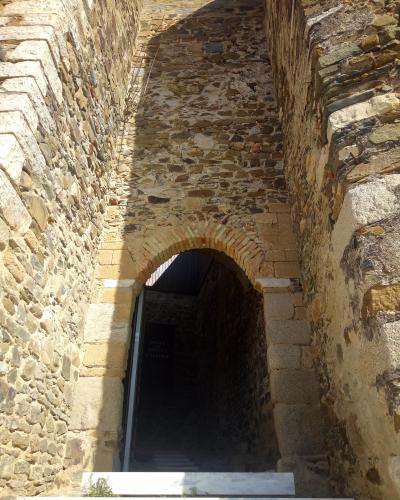
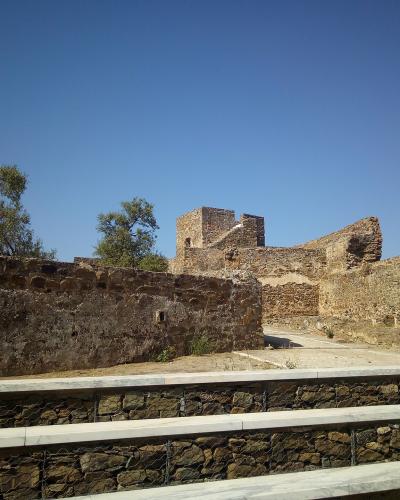
A visit works best as part of a walk through the town. The old town is small and compact, with white-walled lanes, and the castle with its tower is a few steps away. The town's other layers can be explored in the Roman remains, the early Christian basilica, and the Islamic Art museum, which presents ceramics found in local excavations. Together, they show how Mértola passed through Roman, Visigothic, Islamic and Christian hands.
Visitors should treat the church with respect, as it remains in religious use. Opening times can vary, so check locally before you go, especially outside the main season. The best time to visit is spring or autumn, when the surrounding Alentejo landscape is green or golden and the heat is manageable, as summers in the Guadiana valley are very hot. The site suits history enthusiasts and architecture lovers, and anyone interested in the Islamic past of southern Portugal.
Categories
More photos coming soon
Nearby Attractions
Other places to visit in Mértola
Frequently Asked Questions
Quick Facts
Best Time to Visit
Spring (March-May) and early autumn (September-October) offer warm, pleasant weather and vibrant landscapes for exploring Mértola’s history and natural park.