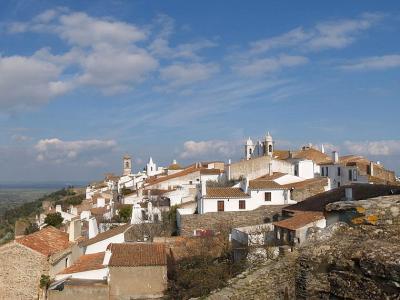
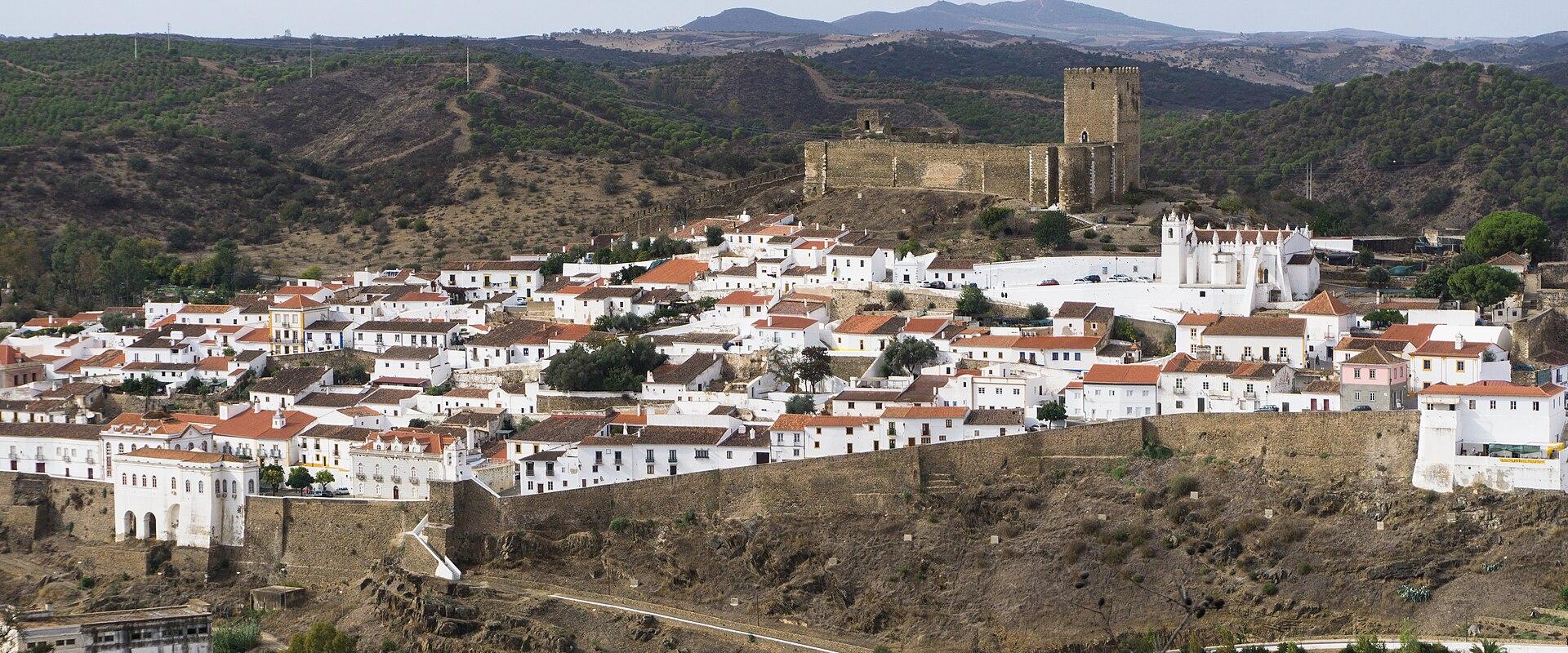
Mértola, often described as the 'museum town,' is a remarkable destination where centuries of history and diverse cultures converge on a dramatic bend of the Guadiana River. Its origins stretch back to Roman times, when it was an important river port known as Myrtilis. The town flourished under Moorish rule from the 8th to the 13th centuries, becoming a key stronghold and trading center. The legacy of this era is still visible in Mértola’s architecture, narrow alleys and the unique mosque-turned-church, one of the best-preserved examples of Islamic religious architecture in Portugal. Because the river was navigable this far inland, the port handled copper, tin and other metals from the mines of the interior and shipped them to the Mediterranean.
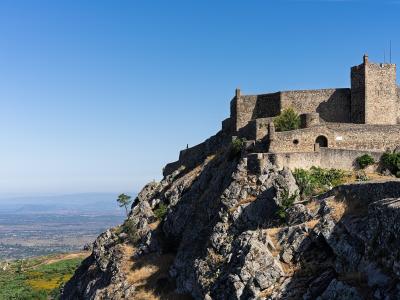
The Castelo de Mértola dominates the skyline, offering panoramic views over the river and surrounding countryside. The castle’s ramparts and keep are open to visitors, providing insight into the town’s defensive past. Below the castle, the Igreja Matriz de Mértola stands on the site of the former mosque, retaining its horseshoe arches and mihrab, a rare feature in Portuguese churches. The town’s archaeological museum, housed in the castle and other historic buildings, showcases Roman mosaics, Islamic ceramics and Christian relics, reflecting Mértola’s multicultural heritage. Excavations have also revealed Roman remains, including the Cryptoporticus, the Torre Couraça and old Roman roads, and an early Christian basilica.
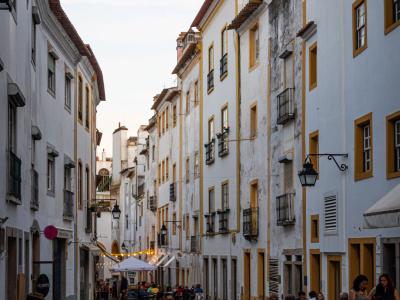
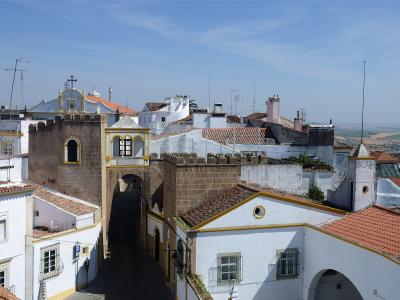
Mértola’s old town is a delight to explore, with its whitewashed houses, cobbled streets and bursts of bougainvillea. The town is dotted with small museums, including the Sacred Art Museum and the Islamic Art Museum, each offering a window into different chapters of Mértola’s past. The riverside promenade and viewpoints provide peaceful spots to soak in the scenery, while local restaurants serve Alentejo specialties such as lamb stew, black pork and regional wines. Local weavers still produce wool blankets on traditional looms, and an Islamic festival held in alternate years fills the streets with music, markets and food.
Nature lovers will find plenty to enjoy in the surrounding Parque Natural do Vale do Guadiana. The park’s rugged hills, river valleys and cork oak forests are home to rare birds, wildflowers and scenic hiking trails. Highlights include the dramatic Pulo do Lobo waterfall, the river beach at Albufeira da Tapada Grande, and the picturesque village of Pomarão. Close to the Tapada Grande reservoir, the former mining village of Mina de São Domingos preserves the buildings and landscape of a British-run copper mine. Outdoor activities such as kayaking, fishing and birdwatching are popular, especially in spring and autumn when the landscape is at its most vibrant. The park is also home to rare raptors and a population of reintroduced Iberian lynx.
Getting to Mértola is easiest by car, with the town located about 54 kilometers southeast of Beja and 2 hours from Faro or Seville. Public transport options are limited, but regional buses connect Mértola to Beja and other Alentejo towns. Accommodation ranges from boutique guesthouses in restored mansions to rural inns and eco-lodges in the surrounding countryside.
The best time to visit Mértola is in spring (March to May) or early autumn (September to October), when the weather is warm but not too hot, and the countryside is lush and colorful. Summers can be very hot, with temperatures often above 40 degrees, while winters are mild but quieter. For history, natural beauty and a peaceful pace of life, Mértola promises a memorable and authentic Alentejo experience.
Best time to visit
Spring (March-May) and early autumn (September-October) offer warm, pleasant weather and vibrant landscapes for exploring Mértola’s history and natural park.
What to see in Mértola
Our picks first.
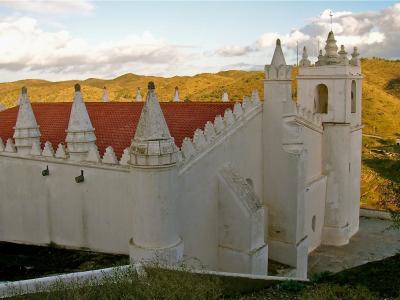
Moorish Mosque (Former)
Only surviving medieval mosque in Portugal
History & Heritage
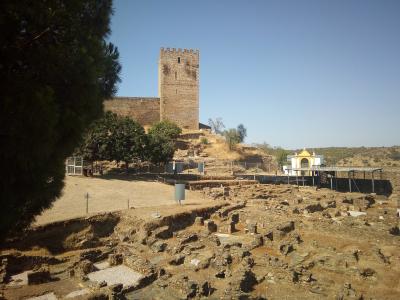
Castle Of Mertola (Castelo De Mértola)
10th-century Moorish fortress in Guadiana Valley
History & Heritage · Natural Wonders
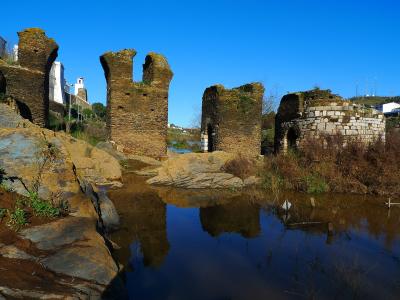
Roman Remains (Cryptoporticus, Torre Couraça, Roman Roads)
Roman ruins in Mértola, Portugal
History & Heritage · Urban Exploration
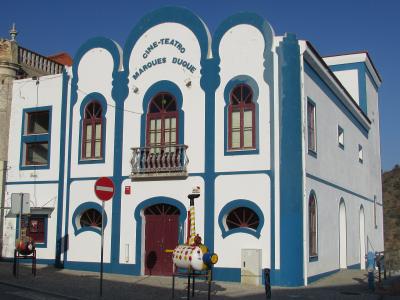
Old Town (Old Town Walk)
Historic center with Moorish and Roman heritage
Guided Tours · Historic Districts
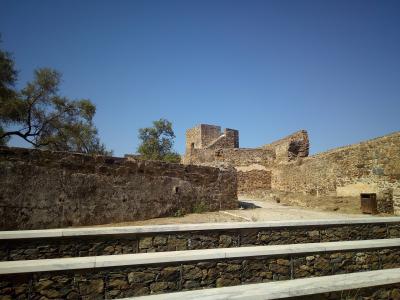
Hilltop Castle (Castelo)
Medieval castle crowning Mértola village
History & Heritage · Natural Wonders
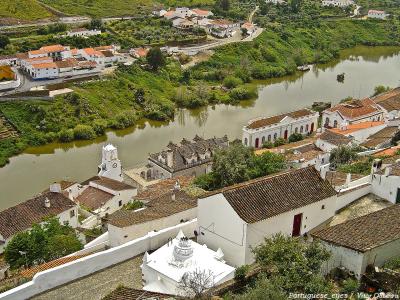
Local Streets (Cobbled/White-washed)
Winding streets with white-washed buildings
Historic Districts · Historic Towns
Mértola by interest
The same sights, grouped by what you came for.
Planning a visit to Mértola
Itineraries that include Mértola
Good to know
- Currency
- EUR
- Language
- Portuguese