Nau Quinhentista
16th-century replica ship in Vila do Conde
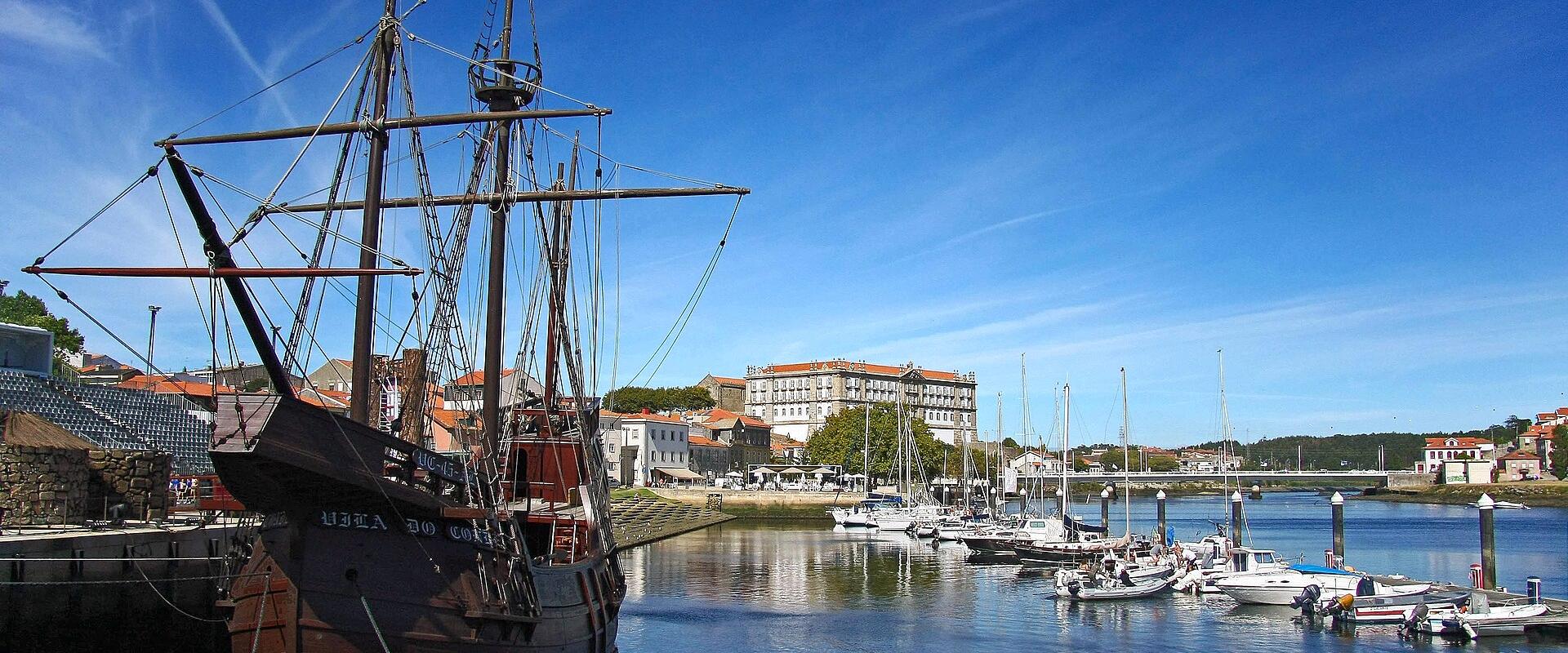
Vila do Conde, at the mouth of the Ave river north of Porto, was one of the great shipbuilding towns of Portugal in the 16th century. Its yards launched ships for the voyages of discovery and the trade with India and Brazil, and the town grew rich on the sea. The Nau Quinhentista, moored in the old shipyard area beside the river, is a full-size replica of one of the vessels of that era, and a visit gives a feel for the scale and cramped conditions of the ships that carried Portuguese explorers around the world.
The nau, or carrack, was the typical ocean-going ship of the Portuguese in the 1500s. It was a large, round-hulled vessel with three or four masts, high castles at bow and stern, and a deep hold that could carry spices, textiles, timber and passengers. It was slower than the earlier caravel but much roomier, and it became the workhorse of the India route. Hundreds of men could be crowded on board for months, with sailors, soldiers, merchants, priests, and sometimes women and children, living in conditions that were hard and dangerous. Many ships were lost to storms, reefs and disease.
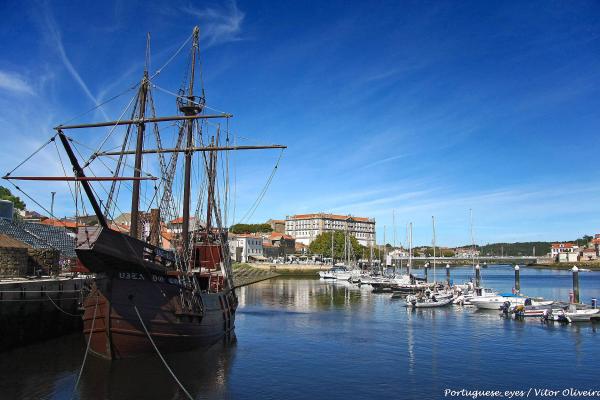
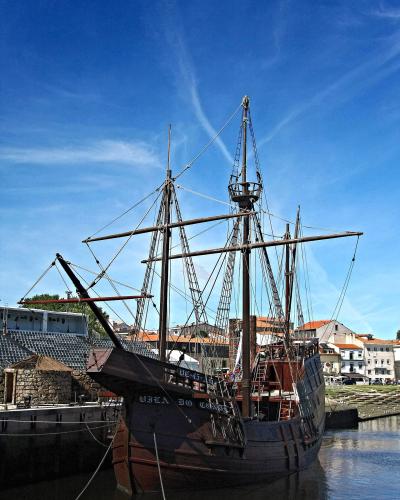
The replica was built in the late 20th century using traditional methods and drawings of the period, and it lets visitors walk on the decks, look into the cabins and peer down into the hold. You can see the rigging, the wooden hull, the steering gear and the places where the crew slept and ate, and a guide on board explains how the navigators found their way using the stars, the compass and other instruments. The scale is smaller than imagined, which makes the achievements of the age of discovery even more striking.
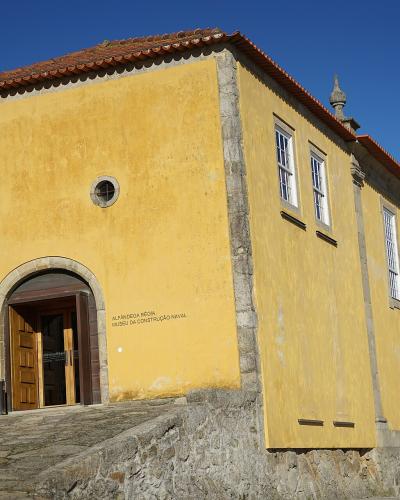
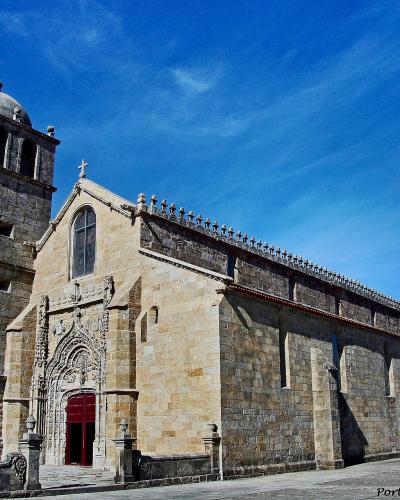
The nau forms part of a maritime heritage trail in the town. Close by stands the Alfândega Régia, the Royal Customs House, built in the 16th century and now housing a museum of shipbuilding with models and tools. Across the river, the Mosteiro de Santa Clara, a large convent on a hill, is linked to the town by a long aqueduct, one of the longest in Portugal, which dominates the skyline. The parish church has an elaborate Manueline portal, and the town is also famous for bobbin lace, which women have made here for centuries. Long sandy beaches lie a short walk from the centre.
The ship is usually open during the day, with a break and longer hours in summer, but times and access can change with the weather and the season, so check the local tourism office before visiting. Allow about an hour. The deck can be slippery after rain, and the stairs between decks are steep, so wear flat shoes. It suits families, history lovers and anyone with an interest in ships and the sea.
More photos coming soon
Opening Hours
Hours
10:00–18:00
Nearby Attractions
Other places to visit in Vila do Conde
Frequently Asked Questions
Quick Facts
Best Time to Visit
Mid-June to mid-September offers warm, sunny weather for beaches and sightseeing; spring and early autumn are also pleasant with fewer crowds.