
Paul De Boquibo Natural Reserve (Cortical De Boquilha)
Portugal's first UNESCO biosphere reserve
The Paul do Boquilobo is a freshwater marsh in the Tagus plain, in the Ribatejo, near the towns of Golegã and Torres Novas. The word paul means marsh, and this is one of the most important wetlands in Portugal. It was protected as a nature reserve in the 1980s, and in 1981 it was named a UNESCO Biosphere Reserve, the first in the country, in recognition of its value for birds and for the traditional way the land is used.
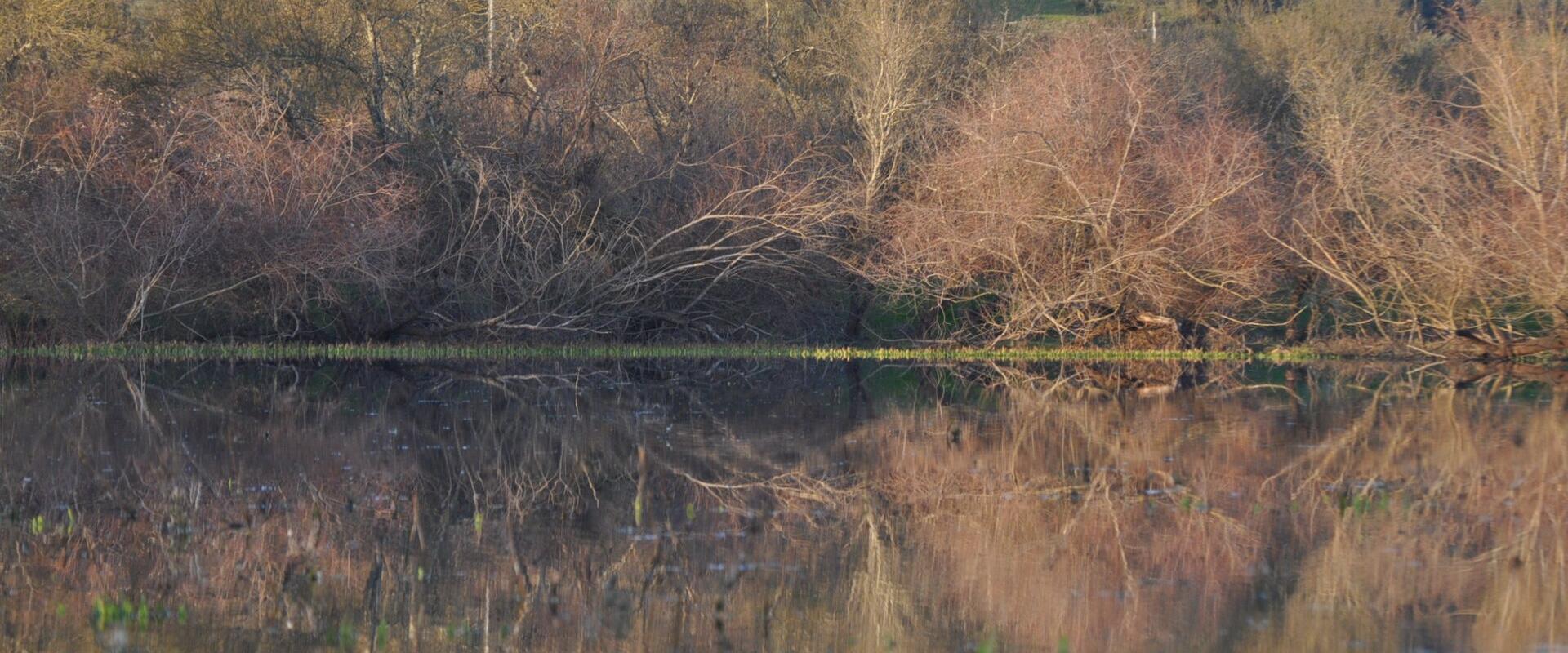
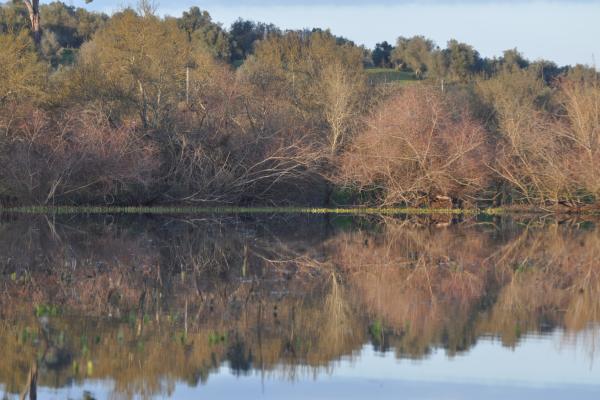
The marsh lies on the alluvial floodplain of the Almonda river, close to where it meets the Tagus. In winter, the area floods, and the water spreads among willow and poplar groves, reedbeds and channels, then slowly recedes in spring, leaving rich pasture. This cycle of flood and retreat has shaped the ecosystem, and it is what supports the great numbers of wildlife. The area is also grazed by cattle and horses, and the lowland fields around it are used for farming, which means that people and nature have long lived together here.
The reserve is best known for its heron colony. In spring and summer, thousands of herons, egrets and related birds nest in the trees, in what is considered the largest heronry on the Iberian Peninsula. Species include cattle egrets, little egrets, night herons and glossy ibis, as well as spoonbills and other waterbirds, and the numbers of birds passing through during migration and wintering are significant. Over the course of a year, a large number of bird species have been recorded. Mammals such as otters and foxes live in the marsh, and a number of insects, amphibians and fish add to the diversity.
Visiting is organised to protect the birds. An interpretation centre explains the ecology of the marsh with displays and films, and an observatory with a view over the wetland allows visitors to watch birds without disturbing them. Walking paths offer access to parts of the reserve, but some areas are restricted, particularly during nesting, and guided visits are recommended, so contact the reserve office in advance to arrange them. The best season for bird activity is spring, when the colony is nesting, and winter, when wintering waterfowl are present. Bring binoculars, boots, and insect repellent for summer.
The reserve is a short drive from Golegã, a town famous for its horses and for the national horse fair held each November. The village of Azinhaga, on the edge of the marsh, was the birthplace of the Nobel Prize-winning writer José Saramago, and a visit can be combined with the writer's trail. The Tagus riverbanks and the region's farmland add to the setting. The marsh suits bird lovers, photographers and families who enjoy quiet, patient nature watching.
Categories
More photos coming soon
Opening Hours
Hours
Open for guided visits
Nearby Attractions
Other places to visit in Paul do Boquilobo
Frequently Asked Questions
Quick Facts
Best Time to Visit
Spring (March-May) and autumn (September-October) offer mild weather, peak birdwatching, and lush landscapes for exploring Paul do Boquilobo’s trails and wetlands.