River Tejo (Tagus River)
UNESCO biosphere reserve with Iberian white herons
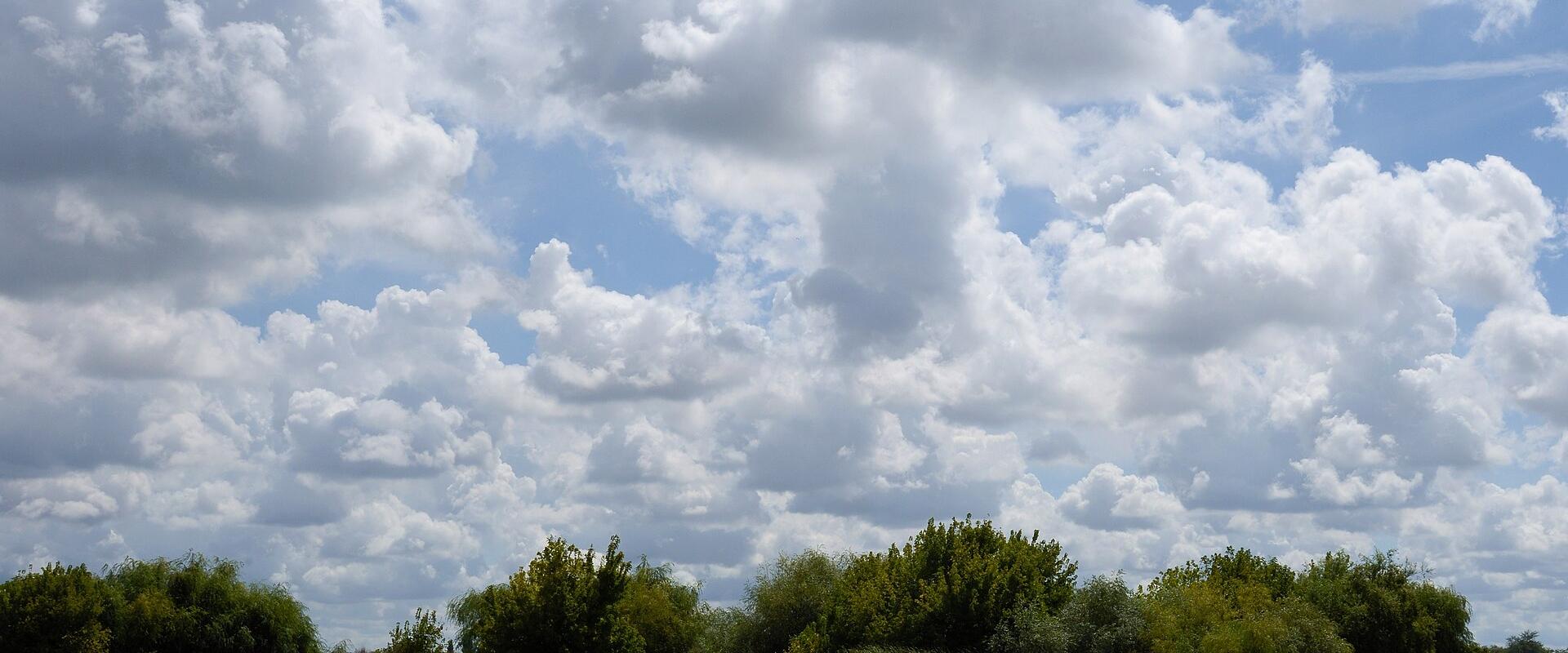
The Tagus, called the Tejo in Portuguese, is the longest river in the Iberian Peninsula, flowing for more than a thousand kilometres from the mountains of eastern Spain to the Atlantic at Lisbon. It rises in the Sierra de Albarracín, crosses the plains of Castile and Extremadura, passes into Portugal near the border town of Vila Velha de Ródão, and runs for about two hundred kilometres across the country before opening into the great estuary at Lisbon. Few rivers have shaped a nation's history as much.
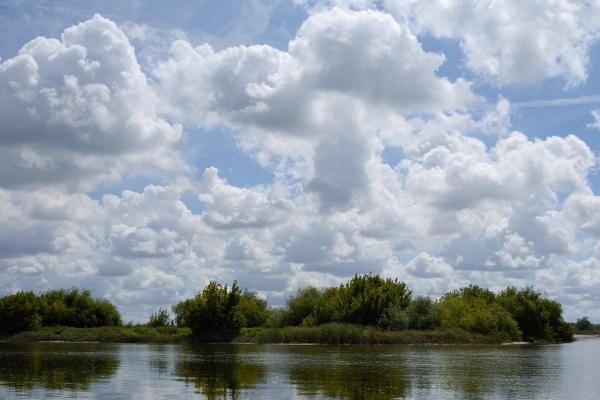
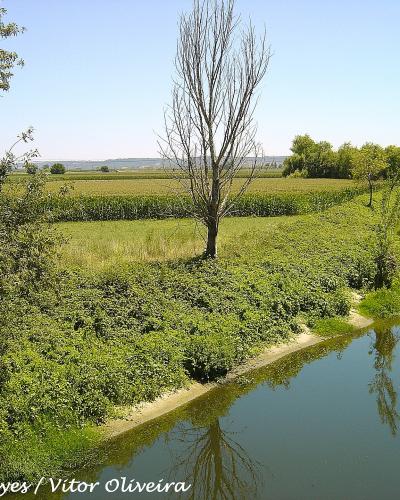
In the Ribatejo, the region whose name means the banks of the Tejo, the river changes character. The valley widens into a broad, flat floodplain of rich alluvial soil, called the lezíria, and the river meanders slowly in loops, with sandbanks, islands and reed beds. In winter, heavy rain upstream brings floods that spread across the fields, depositing silt and recharging the wetlands, and the farmers have lived with this cycle for centuries. The results are a landscape of poplars, rice fields, vineyards, tomato and melon fields, and wide pastures where cattle and horses graze.
The Tejo is also central to the region's culture. The Ribatejo is the home of the campino, the mounted herdsman who tends the fighting bulls and the horses of the plain, dressed in a green stocking cap, red waistcoat and white shirt. The Lusitano horse, the national breed, is bred here, and the town of Golegã, a short distance from the river, holds a famous national horse fair each November around St Martin's Day. The river was once a major route for trade, with flat-bottomed boats carrying grain, salt and wine, and on its banks stand historic towns and castles, such as Santarém, Tomar's neighbour Almourol and Constância, where the poet Camões is said to have lived.
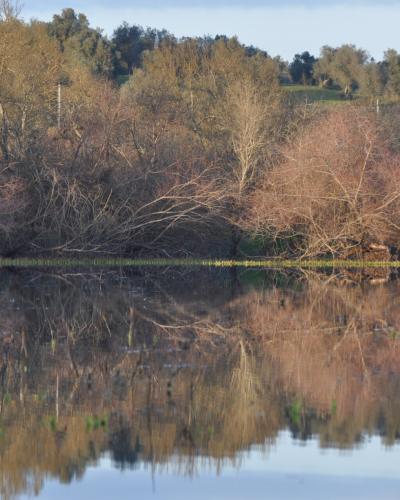
For nature lovers, the river is a corridor for wildlife. Fish such as shad and lamprey swim upriver to spawn, and fishermen still catch them in season, with local restaurants serving lamprey and shad stews in spring. Birds of the wetlands, including herons, storks, kingfishers and wintering ducks, thrive, and the protected marshland at the confluence with the Almonda river, near the village of Azinhaga, is among the best places to see them. Azinhaga was also the birthplace of the Nobel Prize-winning writer José Saramago.
You can see the river in many ways: from a riverside path, from a boat, or by following the pilgrimage road toward Santiago de Compostela, whose Portuguese central route runs through the valley. Check locally for access to the reserve, as some areas are restricted to protect wildlife. Spring and autumn are the best seasons, with mild weather and abundant birds. The river suits birdwatchers, cyclists, walkers and anyone interested in the landscapes and traditions of central Portugal.
Categories
More photos coming soon
Nearby Attractions
Other places to visit in Paul do Boquilobo
Frequently Asked Questions
Quick Facts
Best Time to Visit
Spring (March-May) and autumn (September-October) offer mild weather, peak birdwatching, and lush landscapes for exploring Paul do Boquilobo’s trails and wetlands.