


Praia Do Creiro
Roman ruins and calm waters in Arrábida Natural Park
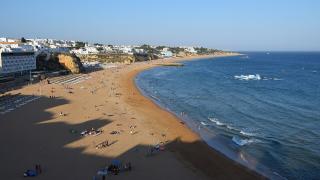
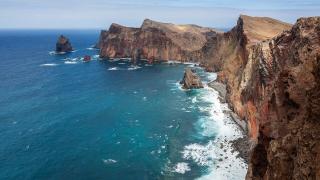
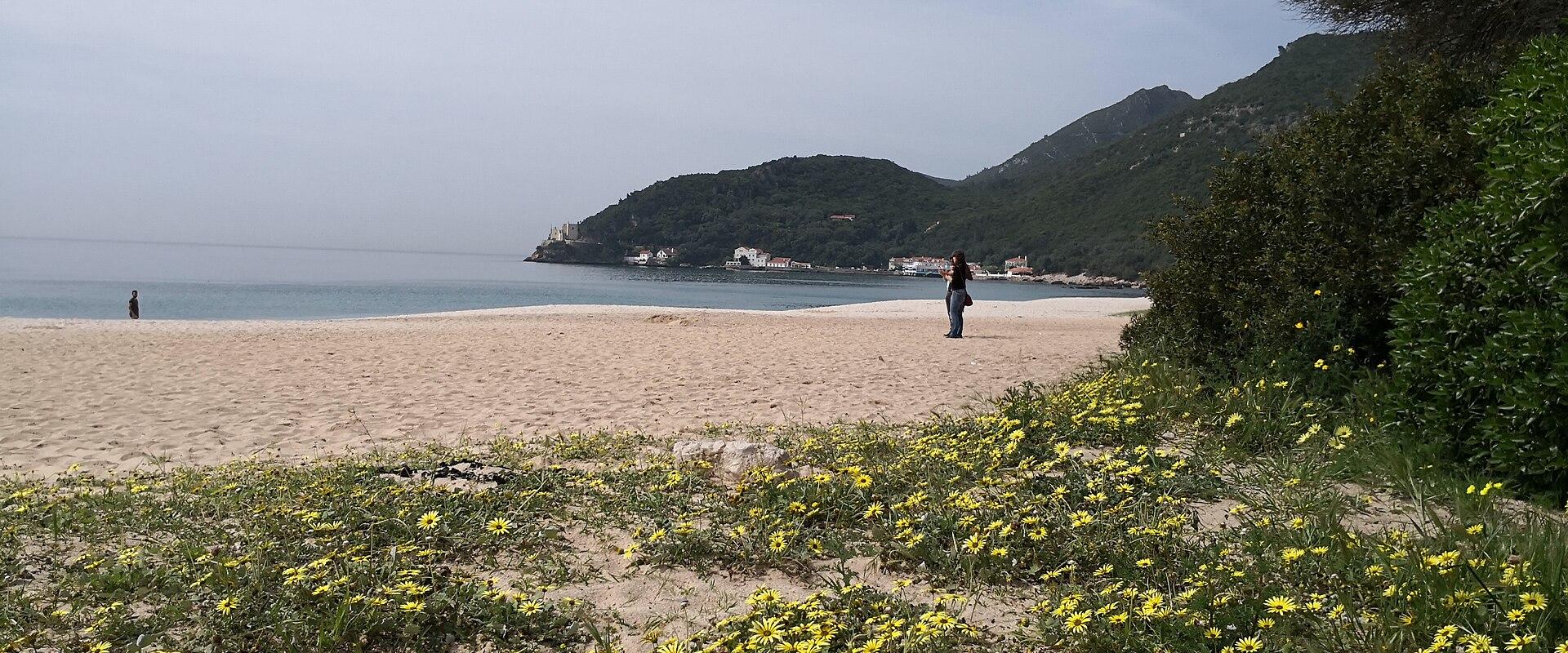
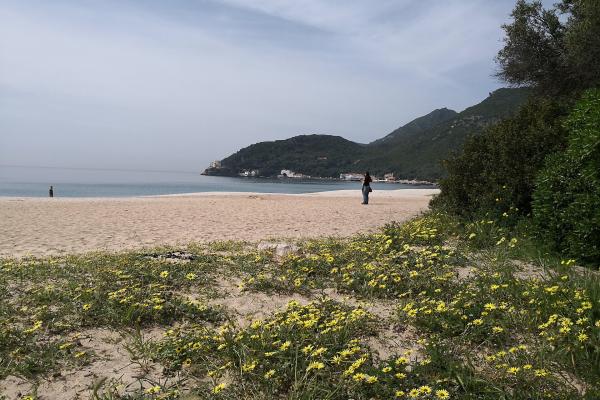
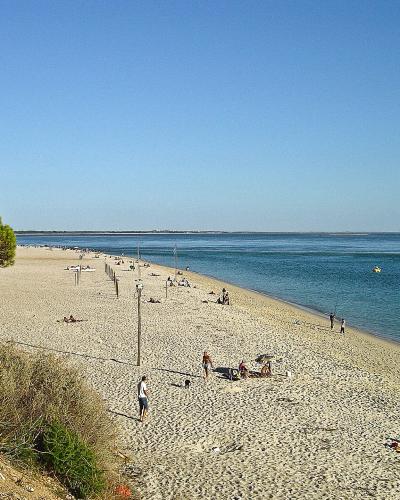
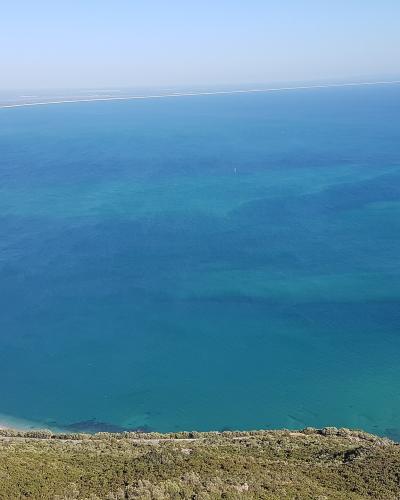
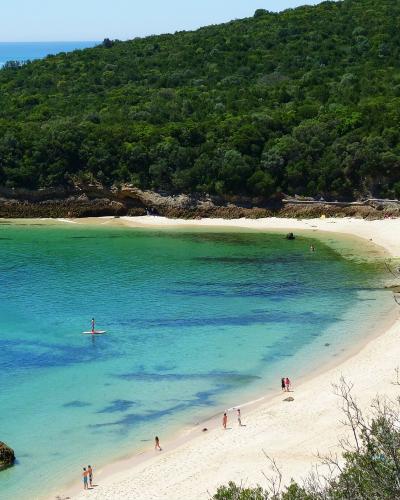
Praia do Creiro is a small, sheltered beach on the south-facing side of the Serra da Arrábida, close to Portinho da Arrábida and within the Arrábida Natural Park. The mountain behind it rises steeply, covered in dense Mediterranean scrub, and shelters the cove from the north winds, so the water is usually calm. The sea is clear and, like all water on this Atlantic coast, rather cold, but the shallow, gently sloping bottom and the lack of strong waves make it suitable for children, casual swimmers, and snorkellers.
What sets Creiro apart from its neighbours is the archaeology. Just behind the beach lies the Estação Arqueológica do Creiro, the remains of a Roman settlement dating from the 1st century AD, which included fish-salting tanks and other buildings. The Romans produced salted fish and fish sauce along many parts of the Portuguese coast, and the sheltered coves of Arrábida offered good fishing and easy transport by sea. The ruins are low and modest, and the site is more atmospheric than monumental, but it adds a layer of interest to a beach day, and information panels explain what the different structures were used for.
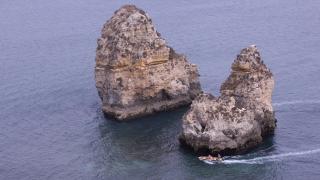
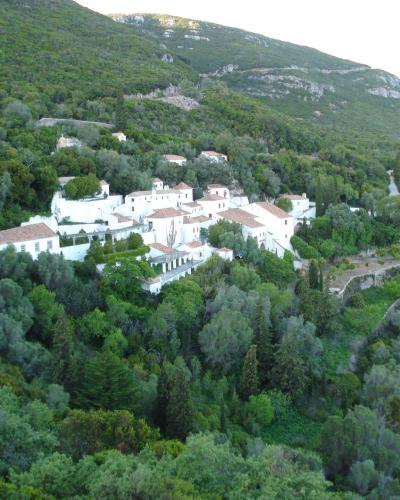
The cove also has a rocky islet, the Pedra da Anicha, offshore, which provides a landmark and a good view from the beach. The water around the rocks is a good place for snorkelling, where small fish gather among the stones. The nearby settlement of Portinho da Arrábida has seafood restaurants where grilled fish and shellfish are served, and a small fort at the water's edge that houses a marine museum. The Convento da Arrábida, a Franciscan monastery from the 16th century, is a short drive up the mountain, and other beaches such as Galapinhos and Figueirinha lie along the same road.
Getting there is relatively easy. A large car park lies a short walk from the sand, and the beach is popular with day visitors from Lisbon, about an hour away. In summer the road can be busy and parking fills early, so arriving in the morning is wise, and the access arrangements may change with the season. Services such as sunshades can be rented, and facilities vary through the year.
It suits families, couples, snorkellers, and travellers who combine a swim with history. Spring and early autumn are especially pleasant, with milder weather and fewer people.
Categories
More photos coming soon
Hours & Fees
Hours
Daily 9am-6pm
Admission
Free admission
Nearby Attractions
Other places to visit in Arrábida
Frequently Asked Questions
Quick Facts
Best Time to Visit
Spring (March-May) and early autumn (September-October) offer warm weather, blooming landscapes, and fewer crowds for hiking, beaches, and outdoor activities.