



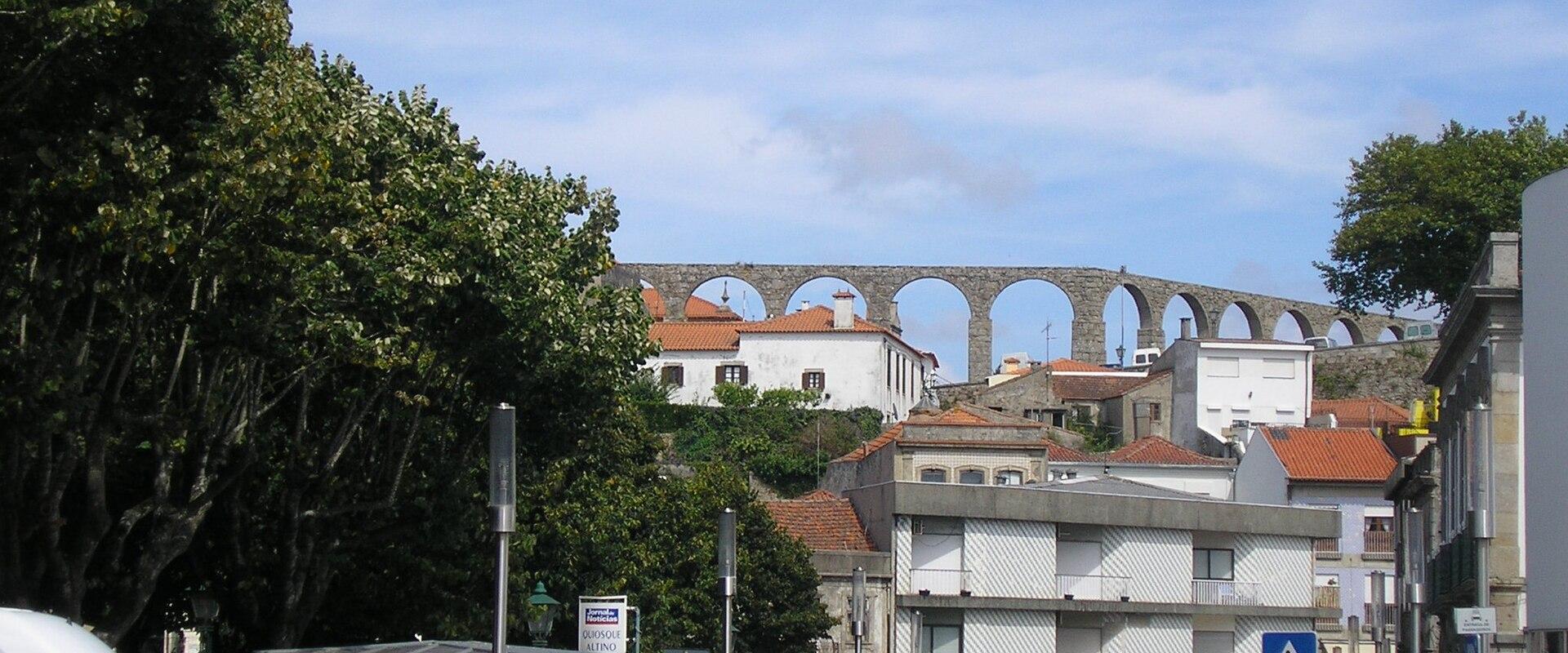
Santa Clara Aqueduct
17th-century granite aqueduct in Vila do Conde
The Santa Clara Aqueduct is a line of granite arches that marches across the fields and woods of the Vila do Conde countryside, and its length, the number of its arches and the care of its construction make it one of the great works of engineering of the Portuguese 17th century. It was built for a convent, to bring water from a spring several kilometres away, and its story is a window onto the religious and social life of the period.
The convent in question is the Mosteiro de Santa Clara, which stands on a hill above Vila do Conde, facing the river Ave. It was founded in the early 14th century by a nobleman, Afonso Sanches, an illegitimate son of King Dinis, and his wife, Teresa Martins, as a house for nuns of the order of Saint Clare, and the nuns were mostly daughters of noble families. Over the centuries, the community grew rich and its buildings expanded, including a Gothic church with fine tombs. The convent needed a reliable supply of water for its gardens, fountains, kitchens and laundry, and in the early 17th century, it was decided to build a conduit from a spring at Terroso, in the neighbouring area of Póvoa de Varzim, about four to five kilometres away.
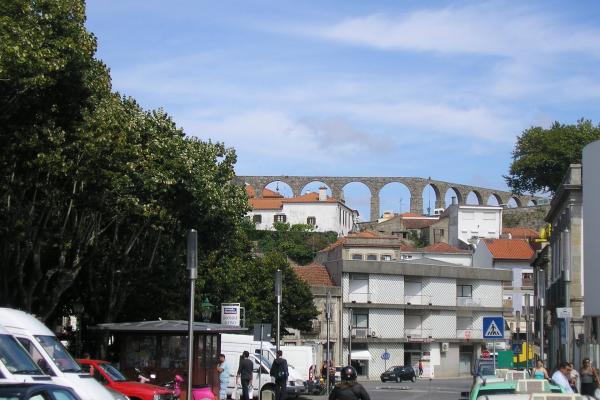
The work began in the 1620s and took decades, being finished in the early 18th century. The aqueduct was constructed of local granite and follows the contours of the land, running across valleys on a series of arches whose height varies with the terrain, from low arcades in the flat parts to tall spans where it crosses depressions. The arches number 999, a figure that locals recite with pride, and the stonework is precise, with carefully cut blocks. Inside the top of the structure runs a channel that carried the water by gravity, falling gently along the entire length. Declared a national monument in the early 20th century, the aqueduct is one of the longest in Portugal.
After the religious orders were dissolved in the 19th century, the convent lost its role and the aqueduct fell out of use. Parts of it were damaged by neglect, storms and, in places, were demolished or collapsed, but long sections remain intact, and conservation efforts continue. Today, the aqueduct can be seen at several points along its course, particularly near the convent in Vila do Conde, where it is most complete, and a path runs beside some stretches, making for a pleasant walk through the town and countryside. Viewing it costs nothing.
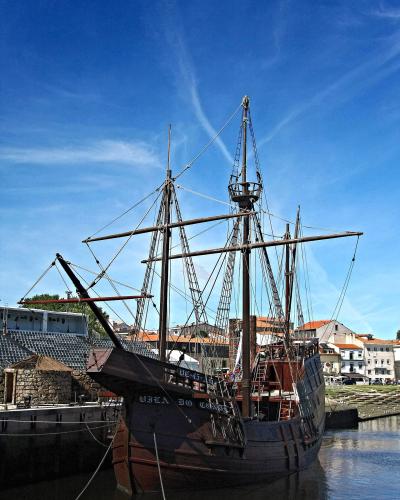
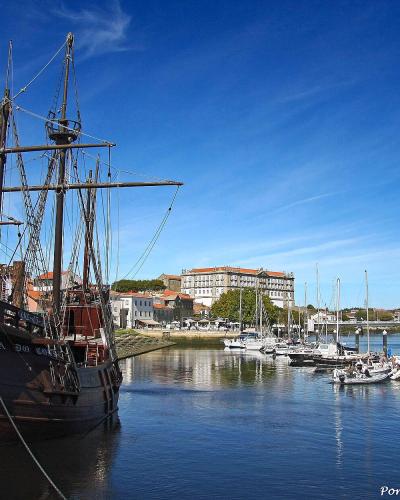
The nearby streets of Vila do Conde also offer the convent itself, the river quays with a replica 16th-century ship, a royal customs house and long beaches. The aqueduct suits walkers, photographers and those interested in engineering and history.
Categories
More photos coming soon
Nearby Attractions
Other places to visit in Vila do Conde
Frequently Asked Questions
Quick Facts
Best Time to Visit
Mid-June to mid-September offers warm, sunny weather for beaches and sightseeing; spring and early autumn are also pleasant with fewer crowds.