
Shrine Of Our Lady Of Arrabida
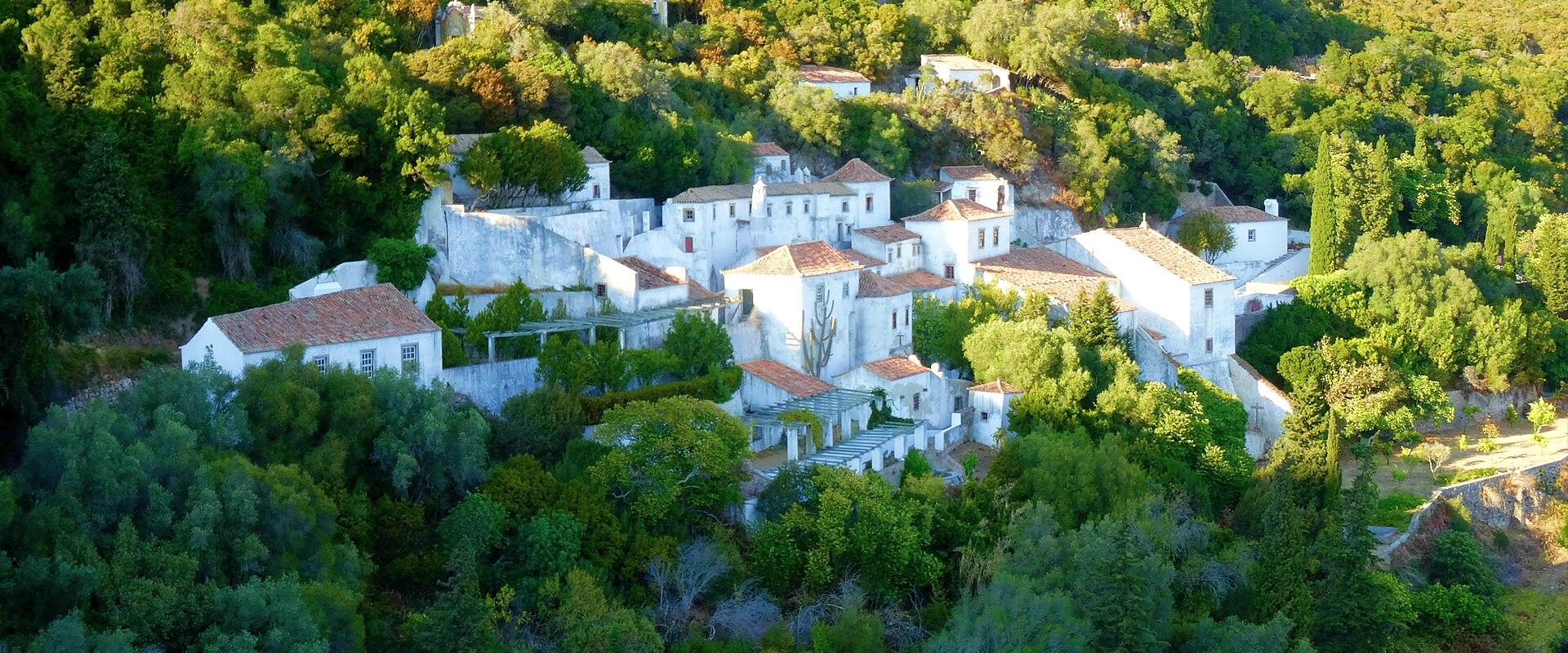
16th-century Franciscan monastery in Arrábida
Devotion to Our Lady of Arrábida is the reason the mountain has a human history at all. Long before the range was a protected park, hermits and pilgrims were drawn to its steep, wooded slopes above the sea, and the shrine and the religious houses that grew around it gave the Serra da Arrábida its character as a place apart. The tradition is tied to an image of the Virgin venerated here, to the austere Franciscan way of life, and to a landscape that seems made for contemplation.
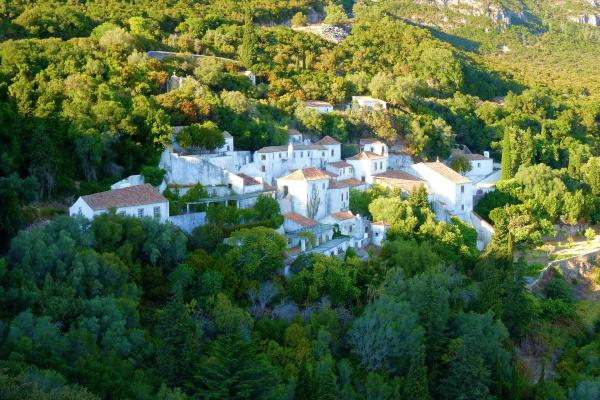
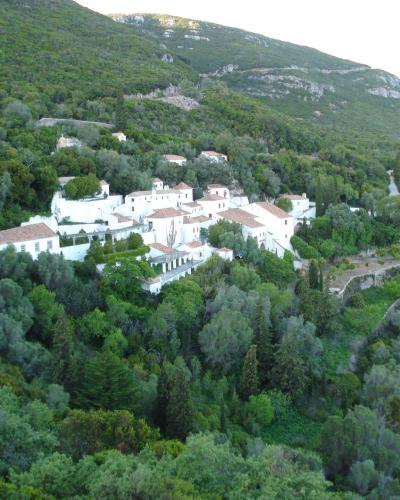
The religious foundation dates from the early 16th century, when friars of a strict Franciscan reform, the barefoot or discalced branch, settled in the mountains with the support of the powerful local lords. Their rule stressed poverty, silence and prayer, and they built small, plain structures in keeping with it: low whitewashed buildings, narrow cells, chapels and little hermitages scattered across the slope rather than gathered into one grand monastery. The site is arranged in this way, with paths linking the buildings among the trees, so that the visitor moves from one small chapel to another, finding views of the bay at turns of the path. Dating details differ among accounts, and what matters most is the overall impression: a religious landscape in which architecture adapts to the rock and vegetation.
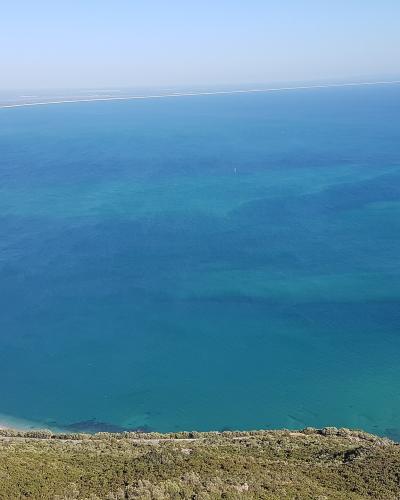
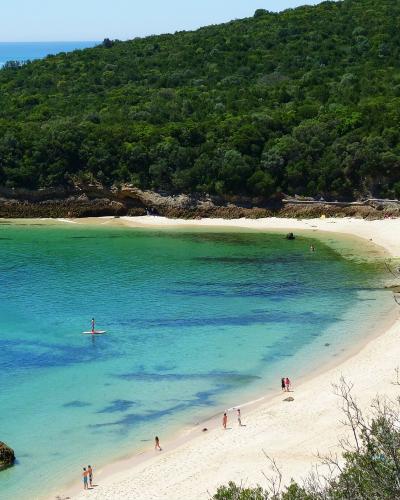
The setting is a large part of the shrine's character. The southern face of the Arrábida range drops directly into the Atlantic, and its slopes are covered with evergreen Mediterranean woodland and scrub, including holm oak, arbutus, rosemary and wild thyme, among the richest and most unusual vegetation in Portugal. In spring the hillsides are bright with flowers, and the air is full of herbal scents. Below, the water is a deep blue, and the nearby coves, Portinho da Arrábida, Figueirinha and Creiro, are among the best beaches on the coast. Pilgrims once made the climb as a devotional act, and some still come on feast days.
Visiting works best if you treat it as a quiet outing rather than a sightseeing stop. The surrounding site is a place of prayer for many people, so voices should be low, and clothing modest. Access to the interior of the religious buildings is limited and often by prior arrangement, so check current arrangements before travelling, and expect that some parts may be closed. The narrow mountain roads are winding, and in summer parking near the coast is limited, so go early in the morning. Wear sturdy shoes for the paths, which can be steep and rough.
The shrine can be combined with the Convento da Arrábida, the viewpoint at Portinho, and a swim at one of the beaches below. Spring and autumn are the best seasons, when the weather is mild and the light is clear. It suits those who enjoy quiet, contemplative places, as well as walkers and photographers drawn to the Arrábida's natural beauty.
Categories
More photos coming soon
Nearby Attractions
Other places to visit in Arrábida
Frequently Asked Questions
Quick Facts
Best Time to Visit
Spring (March-May) and early autumn (September-October) offer warm weather, blooming landscapes, and fewer crowds for hiking, beaches, and outdoor activities.