


Terraced Vineyards And Schist Walls
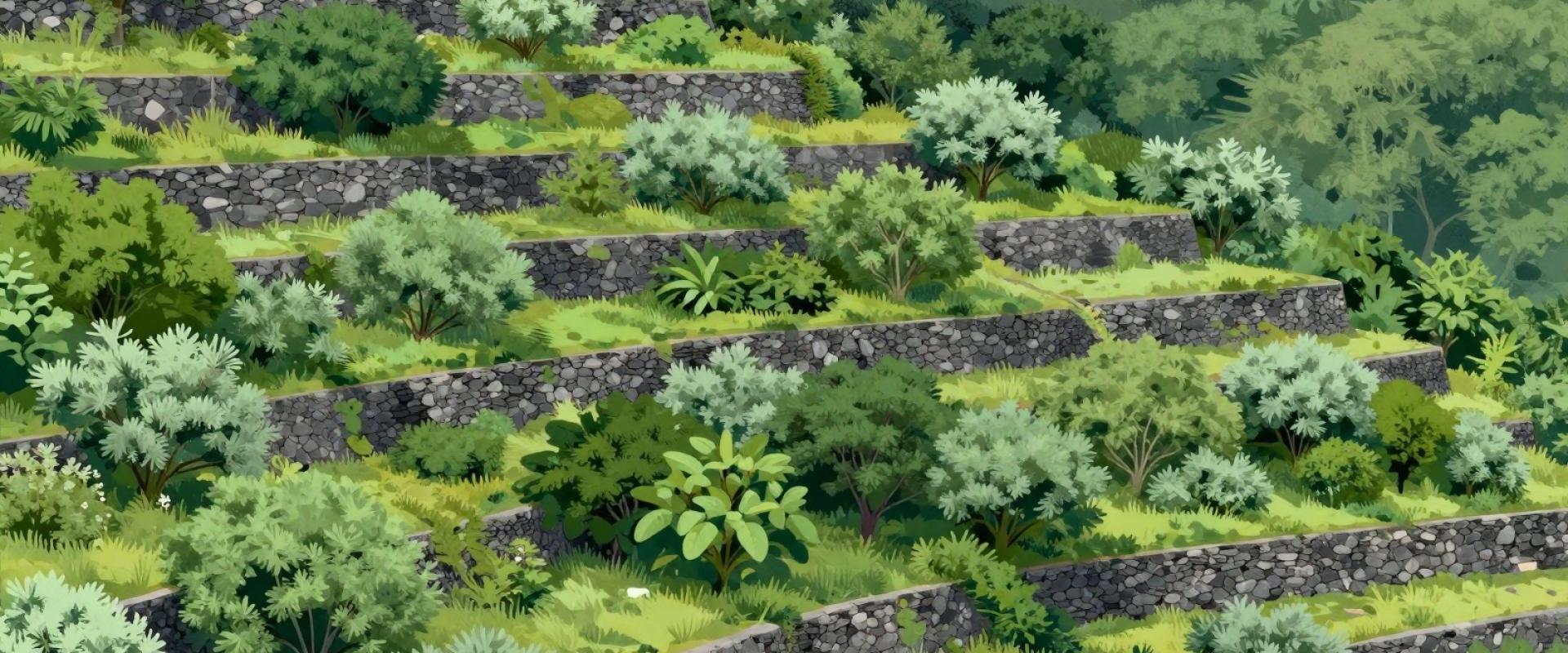
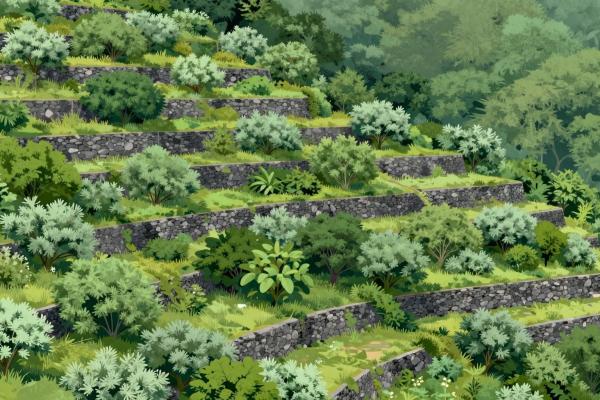
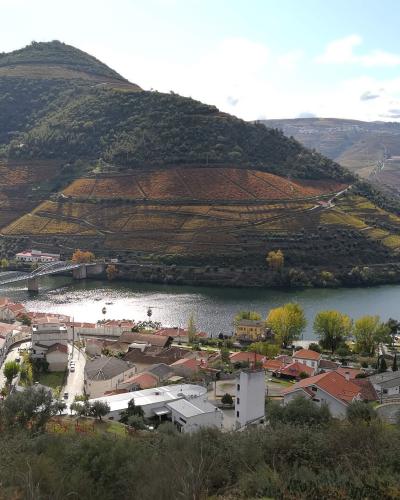
Terraced vineyards on schist walls in Pinhão
Few landscapes in Europe have been so completely shaped by human labour as the Douro valley around Pinhão. The slopes that rise from the river are so steep that vines could not be planted without first building terraces, and for centuries, generations of workers have cut and rebuilt them, wall by wall, using the stone beneath their feet. The result is a vast staircase of vines that climbs from the water to the hilltops, and it is the reason the Alto Douro was designated a UNESCO World Heritage cultural landscape in 2001.
The stone in question is schist, a dark, layered rock that splits into flat pieces. Builders stacked the pieces without mortar into dry walls, some of them several metres high, and filled the space behind them with earth and rock to create level strips for planting. Schist has another benefit: it absorbs heat during the day and releases it at night, and its cracks allow vine roots to reach deep for water in the dry summers. The soil is thin and poor, which forces the vines to produce small quantities of concentrated fruit, the base of Port and of the Douro's table wines.
The region's identity as a wine area is very old. In 1756, the Marquês de Pombal established the boundaries of the Douro vineyards in one of the first formal demarcations of a wine region in the world, a measure meant to protect the quality and reputation of Port. In the 20th century, new methods changed the look of the hills: after phylloxera and the arrival of machinery, some terraces were rebuilt as broader, sloping platforms, and in places vines are now planted straight up and down the slope. The older walled terraces are still visible and are carefully maintained at many estates.
The seasons transform the view. Spring brings bright green growth, summer is dry and golden, and autumn, the harvest season, turns the hillsides red and amber. Harvest, usually from September, is the busiest time, and some estates let visitors join in the picking or the traditional treading of the grapes in stone tanks. Winter is quiet, with bare vines and mist in the valley.
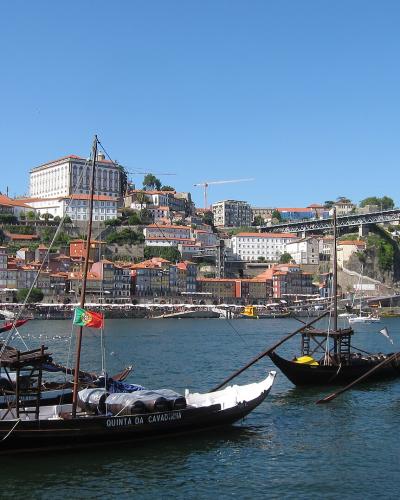
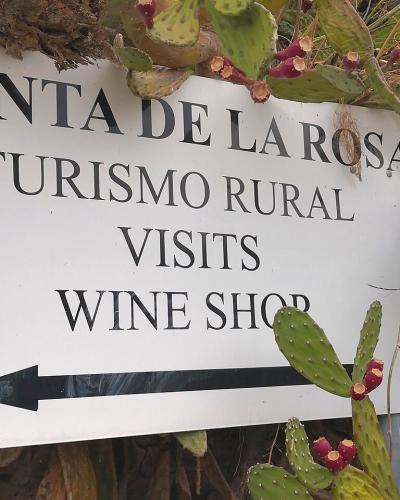
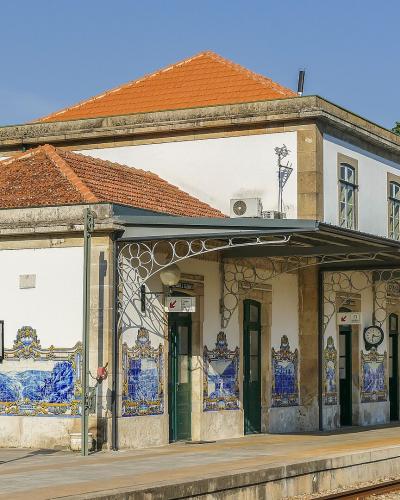
Several options help you see it. Boat trips on traditional rabelo vessels from the quay at Pinhão give a river-level view, while visits to quintas such as Quinta de la Rosa offer tours, tastings and sometimes lunch. Walking routes and viewpoints, among them the lookout at São Leonardo de Galafura, give wider views of the valley. The Pinhão railway station, with its blue azulejo panels showing grape harvest scenes, is a short walk from the quay. Summers are hot, and temperatures can exceed 40 degrees, so early starts and plenty of water are advisable. The area suits wine lovers, photographers, walkers and anyone who enjoys dramatic cultivated landscapes.
Categories
More photos coming soon
Nearby Attractions
Other places to visit in Pinhão
Frequently Asked Questions
Quick Facts
Best Time to Visit
March to May and September to October offer mild weather, lush vineyards, and vibrant wine events for exploring Pinhão and the Douro Valley.